

This article first appeared in The Edge Malaysia Weekly on September 1, 2025 - September 7, 2025
MALAYSIAN Gen Z — the newest entrants to the workforce — are often seen as financially irresponsible, prone to extravagance or “doom spending”, which can be summed up as mindless spending as a coping mechanism. However, in reality, many Gen Z — the demographic cohort born between 1997 and 2012, which means the oldest Gen Z is 28 years old — do manage their money cautiously, not by choice but out of necessity.
This is evident from the responses given by Gen Z to questions from this writer, an intern at The Edge and a Gen Z herself, on how they are coping with the rising cost of living.
Frustration with their salary is a common theme. A 21-year-old working at a children’s behavioural centre in Kuala Lumpur laments that her RM2,500 monthly salary — about RM9 per hour for a nine-hour working day — is on a par with part-time retail wage despite the demanding role. Another Gen Z working in a financial institution, who had started on an even lower salary of RM2,300 but now earns RM3,200, says his salary still falls short of his “extensive” financial responsibilities.
According to insurer Sun Life’s Financial Resilience Index Malaysia released this year, Gen Z in this country lags behind other generations in both confidence and preparedness, with only 52% of Gen Z respondents surveyed feeling financially secure. Another survey conducted by local insurer Etiqa in 2024 found that Gen Z felt it would be difficult to build adequate savings and emergency funds for the future. Salary was a concern as many felt they were underpaid or that their monthly pay cheque was “nowhere near” the effort and responsibilities their jobs demanded.
Fuelled by fears about their financial future, many early-career Gen Z workers feel compelled to adopt frugal habits and being more responsible with their finances.
Living at home with their parents is the norm for Gen Z, especially in Southeast Asia, to ease financial pressure early in their careers, thus helping them save on rent and utility costs. According to consumer research company GWI, about 73% of Gen Z in Asia-Pacific live with their parents to cut their living expenses.
One Gen Z tells The Edge that she chose to stay with her parents despite the long commute to work in order to save on rent. However, the trade-off includes insufficient rest from having to leave home as early as 6.30am to beat heavy traffic.
Some prefer renting close to work to avoid a long commute. Athirah Daniya, a Gen Z procurement specialist in Bayan Lepas, Penang, rents a room near her workplace for RM450 per month inclusive of utilities, which she finds manageable since rent is her only major expense, with commuting cost consuming a minimal share of her salary.
Commuting costs vary, with some paying only RM50 a month using the My50 Pass for 30 days of unlimited rides on Rapid KL’s integrated rail and bus network, while others who lack access to public transport hubs fork out as much as RM300 a month for toll, parking and petrol.
Single Gen Z prefer to live with their parents to save on rent, especially those planning to pursue further education or work abroad. Meanwhile, those preparing for marriage or starting a family or purchasing property often live with their parents until they achieve their goals.
Beyond essentials like rent and commuting, where does these young people’s income actually go?
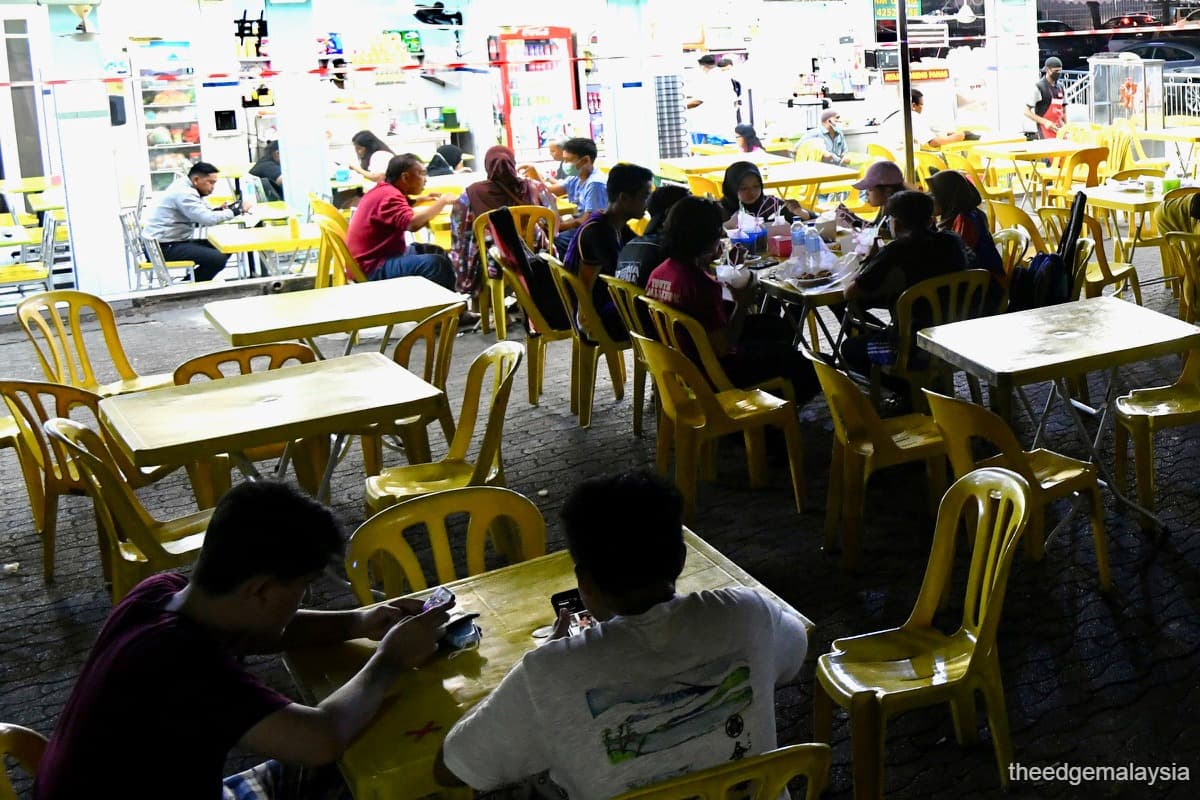
They typically spend between RM1,000 and RM2,500 a month, with food being the largest expense, whether it is takeaway meals, dining out, ordering in or groceries. Convenience is a major factor influencing their choices, with many opting for affordable takeaway meals, especially if living alone. They also like dining out with friends, with one Gen Z telling The Edge that his weekly expense on food can reach up to RM400 a month as he dines out frequently with friends — seven out of 10 meals on average.
Despite the popularity of TikTok-inspired cafés and certain food trends, many remain budget-conscious, reserving their finances for occasional treats and often opting for more affordable mamak stalls or fast-food chains.
One respondent — well aware of “shrinkflation”, where food portions have shrunk while prices remain the same or have increased — shares that most of her spending on food goes towards groceries. While dining out is convenient, she finds home-cooked meals far more cost-efficient and satisfying.
The Gen Z The Edge spoke to are well aware of the need to be financially responsible, but how exactly are they doing it?
They prioritise setting aside savings after payday, tracking expenses through spreadsheets and reserving discretionary spending for leisure activities like working out or playing a sport with friends over the weekend or after work.
Beyond that, Gen Z are leveraging digital platforms to diversify their savings and investment strategies. One respondent shares that he splits his funds across two savings accounts offering daily interest and plans to invest through platforms like Moomoo.
Although it is still too early to gauge the full impact of the higher sales and service tax (SST) implemented since July 1, Malaysian Gen Z are already feeling financial pressure from higher prices for both dining out and groceries, or even wedding planning expenses. Unsurprisingly, many are dining out less, switching to cheaper alternatives and postponing major purchases.
Despite managing their finances prudently, homeownership remains slightly unrealistic for the Gen Z at the present time, with affordability being the biggest hurdle given their current salaries.
An EdgeProp survey in 2024 found that the price of property was the main homeownership barrier; most of the respondents believe homeownership is attainable for Malaysians under 30 only with financial assistance.
The Gen Z The Edge spoke to view property as a long-term goal rather than an immediate priority, but consider it a worthy investment.
In general, the Gen Z remains optimistic about the future, expecting salaries to rise with experience. While mindful that rising costs and inflation will “catch up one way or another”, they feel confident that financial literacy and responsibility will help them manage. Those nearing marriage are more cautious, noting that expenses could quickly add up, and worry that having children may make their current lifestyle unsustainable even with decent salaries.
Save by subscribing to us for your print and/or digital copy.
P/S: The Edge is also available on Apple's App Store and Android's Google Play.