

KUALA LUMPUR (Aug 29): Malaysians are tightening their purse strings despite earning more, which could cut into the country’s economic growth, according to an economist.
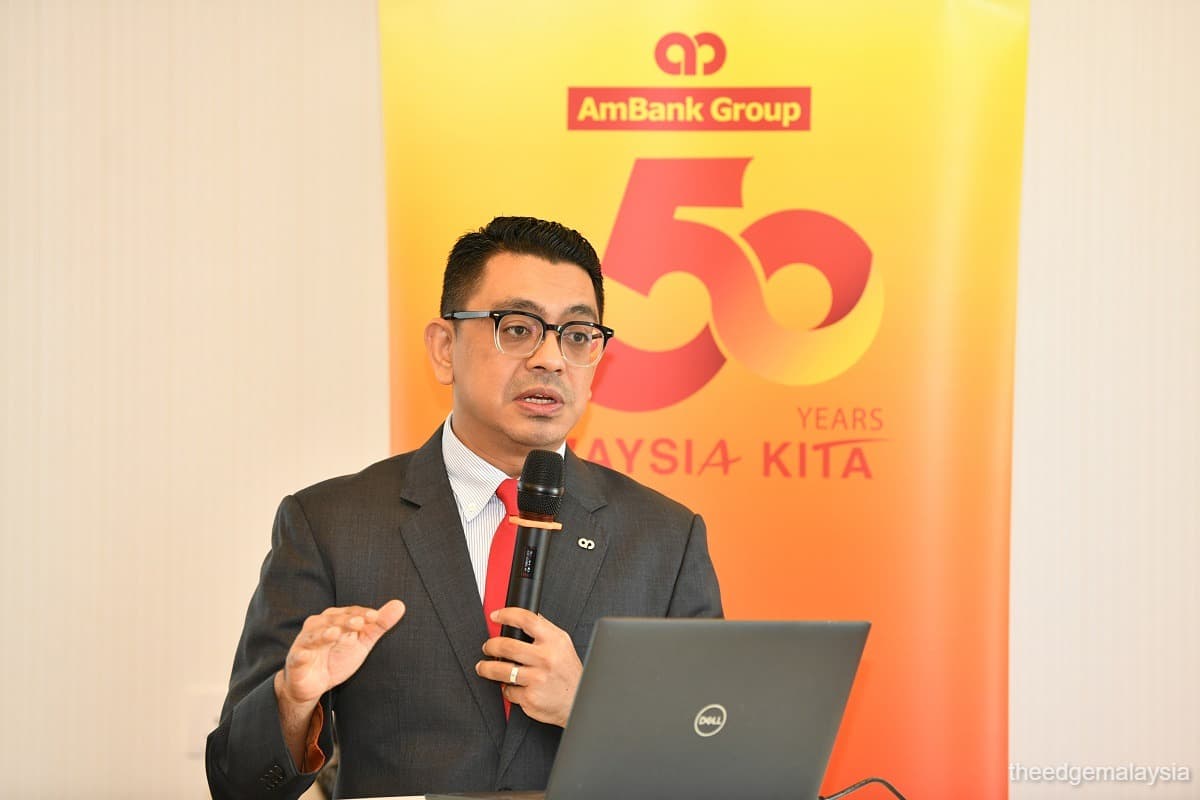
Wages have risen post-pandemic and the labour market remained strong, yet loan applications, approvals and disbursements at the household level have tapered off in recent months, said Firdaos Rosli, chief economist of the country’s sixth-largest bank AMMB Holdings Bhd (KL:AMBANK).
“Tepid household spending suggests a low propensity to spend following uncertainty from concerns over global tensions, such as US policy changes and geopolitical developments, and domestic supply-side policy changes,” he said at a media briefing on the macroeconomic outlook for the second half of the year.
The subdued consumer spending may threaten an economy reliant on domestic demand as its main engine of growth, at a time of external uncertainties.
Malaysia’s economy is expected to expand 4.0%-4.8% this year, mainly driven by household spending and business investment, according to official forecasts.
AmBank’s projection calls for private consumption — which makes up more than 60% of the country’s gross domestic product (GDP) — to grow about 5% in 2025, underpinning the bank’s forecast for Malaysia’s economy to expand 3.8%.
Firdaos noted that the projected 5% growth in private consumption could have been stronger if consumer sentiment were more positive. He pointed out that a “feel-good factor”, whether from external developments or domestic drivers, is still missing.
However, the government’s recent RM100 cash aid, which is expected to channel around RM2 billion into the economy over the coming months, may provide some additional lift to spending, he added.
Malaysia is expected to announce details of the closely-watched RON95 petrol subsidy rationalisation by the end of September. The Finance Ministry is finalising the quota system to be introduced for eligible individuals when the system is rolled out.
Firdaos expects gradual rollout. “We don’t think the government will take a shock-therapy approach like what they did with diesel rationalisation last year,” he said. “For RON95, we don’t think the rollout will be abrupt or difficult for people to follow.”