

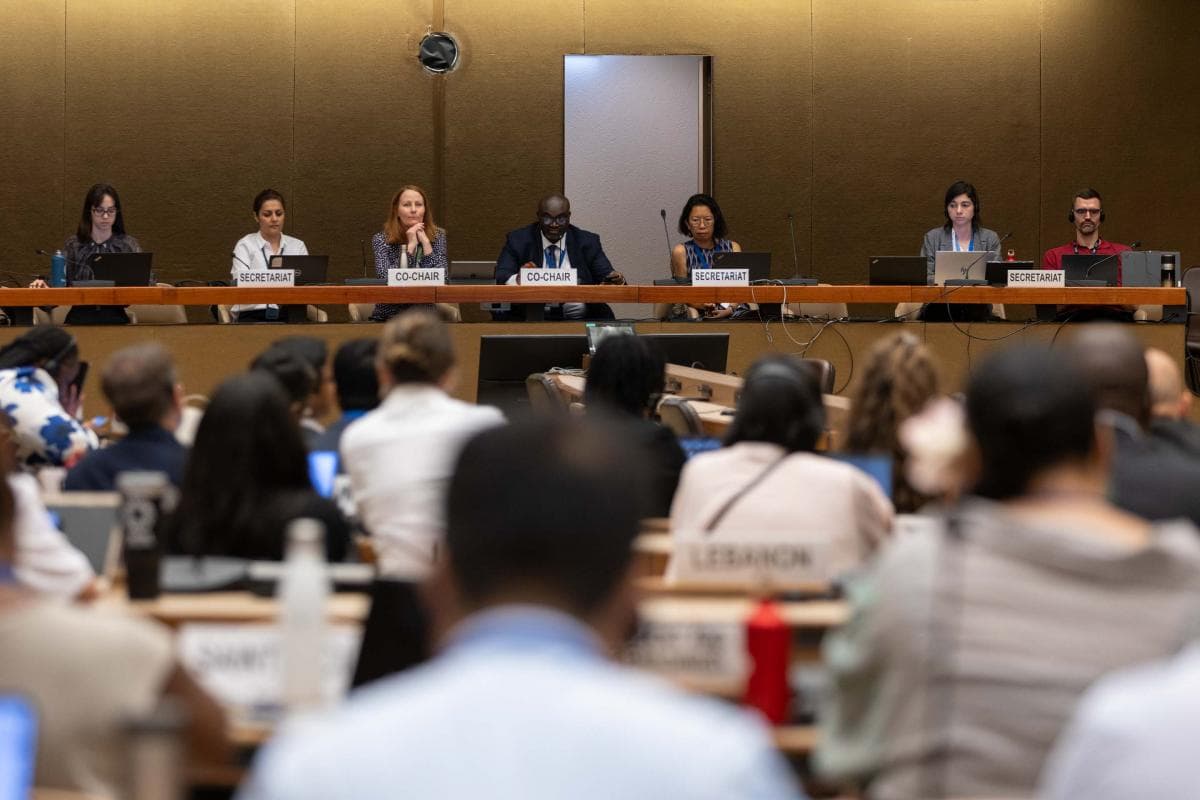
(Aug 14): The negotiations to develop an international legally-binding instrument on plastic pollution have not resulted in a deal after 10 days of meeting, with nations disagreeing over the best strategy to tackle plastic pollution.
For instance, High Ambition Coalition countries, including the European Union, Colombia, Finland, Madagascar and Mexico, call for limits on plastic production; the like-minded group of countries including China and Saudi Arabia want to focus on managing and preventing the pollution of plastic.
The Intergovernmental Negotiating Committee is holding the second part of the fifth session (INC-5.2) meeting attended by representatives from 184 countries at the United Nations headquarters. This is the sixth round of negotiations since 2022 to develop the instrument.
There are also disagreements around how chemicals used in plastic products should be regulated.
Several Malaysian civil society groups (CSO) submitted memorandums to members of Parliament last month, urging the government to support legally-binding caps on plastic production, which would limit the leakage of materials like microplastics and plastic pellets into the environment.
They also called for the government to agree to the global target to limit the use of hazardous chemicals in plastic production, and eventually phasing it out entirely. Some of the CSO members are in Geneva for the negotiations.
“Other existing international conventions have only been able to regulate less than 4% of the chemicals used in plastic. National level regulations alone will not be sufficient, as they will not be able to regulate plastics that are made elsewhere but used either as components or parts in other products or plastic products imported whole,” says Wong Si Peng, an event and projects officer at the Center to Combat Corruption and Cronyism.
“The treaty also proposes an annexe with a list of plastic products to be phased out. These plastic products are unnecessary and have a high probability of being leaked into the environment.”
Introduction of a cap on global plastic production has been a contentious topic among nations, but this is needed to control the overproduction of plastic, suggests Wong Pui Yi, a researcher at the Basel Action Network. Plastic waste is projected to rise to one billion metric tons a year, with only 17% of it recycled by 2060, she says, citing data from the The Organisation for Economic Co-operation and Development (OECD).
“Around 50% of total plastics produced are used to make single-used plastics, which is extremely wasteful and harmful…the overproduction of plastic is affecting our health and threatening the stability of vital Earth system processes,” says Pui Yi.
However, she states that any multilateral environmental agreements must respect the situation of developing countries. Longer time frames for compliance, for instance, could be introduced.
Pui Yi also believes that controls on plastic production could be beneficial to the plastics industry.
“Due to oversupply, some countries, including Malaysia, have become victims of ‘dumping’ of plastic pellets from China and Indonesia at low prices. On top of this, many petrochemical refineries worldwide have idle capacities, with most below 75% of their installed capacities due to ageing infrastructure and stiff competition,” says Pui Yi.
The memorandum was signed by close to 130 organisations in Malaysia, who believe that plastic pollution must be tackled at the source, focusing on prevention, reduction and sustainability, going beyond clean-up efforts and targeting systemic change, says Zero Waste Malaysia, one of the non-governmental organisations that presented the memorandum.
The negotiations will end on Aug 14, 2025.
ESG also reached out to the Malaysian Plastics Manufacturers Association (MPMA) to get their thoughts on the treaty. In response, the MPMA says they believe a one-size-fits-all global cap on virgin plastics production does not take into account the different stages of development, economic structures and waste management systems of each country.
“We support balanced, sensible, science-based steps to cut plastics pollution and encourage recycling, but these need to balance environmental goals with the realities faced by Malaysian manufacturers,” says the MPMA in an email statement.
The association highlights the contribution of the country’s plastics industry to other sectors, like packaging, automotive, electronics, medical devices, agriculture and renewable energy. They are worried that a rapid cut in virgin resin production would destabilise the supply chain and damage the economy.
Instead, they call for a circular plastics system to ensure the products are recyclable, reusable and incorporate recycled content, and for more investments into waste management and recycling infrastructure.
National action plans to tackle plastics leakage while maintaining economic competitiveness should be implemented, the MPMA adds, and responsible production and consumption must be encouraged.
“In short, the treaty should aim to decouple plastics use from pollution, not simply reduce production without addressing the real leakage points,” says the MPMA.