

KUALA LUMPUR (Aug 1): Malaysia agreed to ease some non-tariff barriers — like streamlining halal and facility registration for US food imports — to help reduce US tariffs on Malaysian goods from 25% to 19%, according to Investment, Trade and Industry Minister Tengku Datuk Seri Zafrul Abdul Aziz.
However, the government rejected US requests to remove excise duties on cars, tobacco, and alcohol to protect national interests.
At a media briefing, Zafrul said Malaysia's commitments include improving non-tariff procedures to boost its image as a business and trade-friendly country.
“There are also discussions on issues affecting various industries in the agriculture sector. For example, we are looking at ways to expedite import processes, particularly for meat and chicken — these are some of the areas being considered,” he said.
“Most of these are, to be fair, things we were already planning to do, including our commitments to labour policies, which we have already signed under the ILO (International Labour Organization). We have also made commitments under the WTO (World Trade Organization) and various other agencies, as well as on environmental matters,” he told reporters.
Other concessions made were implementation of regionalisation of the US for animal diseases, lifting of the ban on imports of cereal crops, sorghum, and rice, and strengthening commitments to labour rights and environment protections.
In addition, the government had made a commercial commitment to purchasing Boeing aircraft. Malaysia committed to acquiring 30 Boeing aircraft in the first phase — a deal valued at approximately US$9.5 billion (RM40.6 billion) — with an additional 30 aircraft of similar value planned for the second phase, he said.
This was on top of agreeing to reduce or remove tariffs on over 98% of US products.
Zafrul said while there were “broader benefits” to be gained from the agreement with the US, he stressed that Malaysia stood firm in protecting its national interests.
Besides retaining excise duties, the government also rejected calls to remove import permit requirements for US products and denied requests for blanket exemptions.
Similarly, the government did not agree to liberalise foreign equity ownership in strategic sectors, maintaining existing caps to protect domestic industries and ensure sufficient space and opportunities for local players.
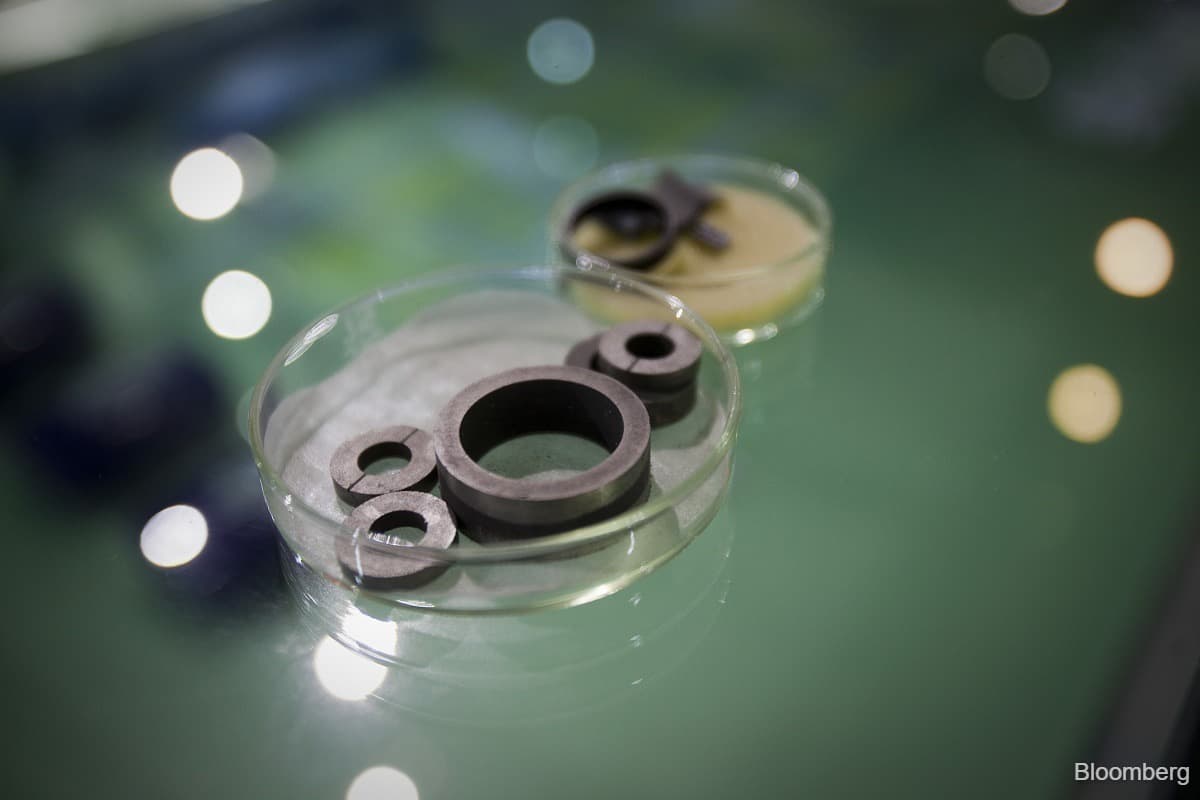
At the briefing, Zafrul also refuted claims that the lower tariffs were linked to Malaysia accepting halal certifications — particularly for pharmaceuticals — that bypass the approval of the Department of Islamic Development Malaysia (Jakim), or that the country had agreed to supply rare earth elements to the US.
“We have agreed with the US to facilitate the importation process of halal products into Malaysia, but not to compromise our halal standards. The report about supplying rare earths is also inaccurate,” he stressed.