

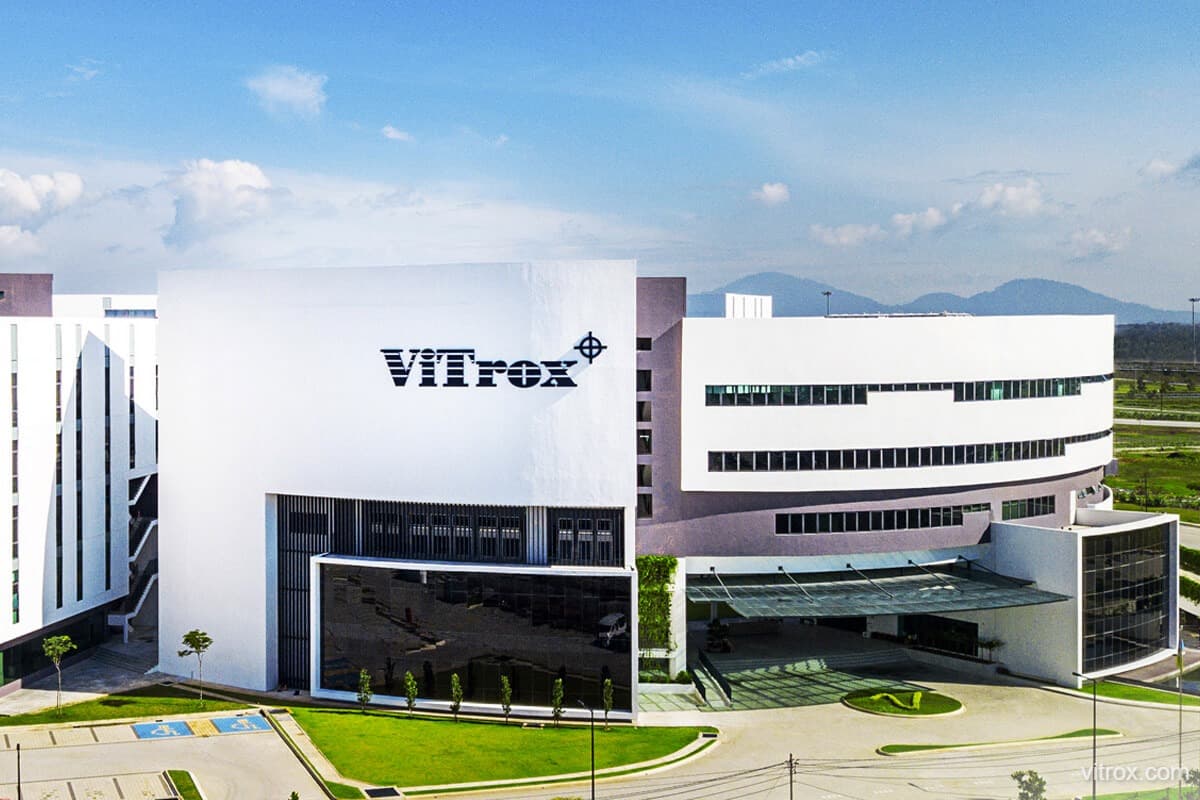
KUALA LUMPUR (July 25): Looming US tariff risk is clouding prospects of ViTrox Corporation Bhd (KL:VITROX), as analysts turn increasingly bearish even as the latest earnings met consensus expectations.
‘Sell’ calls for the automated test equipment company now outnumber ‘buy’ and ‘hold’ recommendations following Hong Leong Investment Bank’s (HLIB) downgrade on Friday following ViTrox's second-quarter results announcement.
Shares of ViTrox have rebounded 60% from their April lows, but the stock's current valuation at nearly 49 times its forward earnings now “appears stretched, considering lingering demand risks from US tariff uncertainties”, HLIB flagged.
US President Donald Trump has suggested a minimum 15% and as high as 50% for his so-called reciprocal tariff rates ahead of an Aug 1 deadline.
Earlier this month, the US threatened to impose a blanket 25% import tariff on all Malaysian goods. Investors are also worried about sector-specific tariffs on semiconductors which may be separate from the country-specific tariffs.
The counter now has five ‘sell’, three ‘hold’, and four ‘buy’ calls. The average target price is now RM3.21, according to the 12 analysts tracked by Bloomberg, implying a potential decline of over 13% from the last traded price of RM3.72 on Friday.
Further, there is a risk of non-renewal of tax incentives, HLIB flagged, after the expiry of pioneer status incentive that grants partial exemption from the payment of income tax in June 2025.
CIMB Securities, however, is optimistic that the tax incentive will be renewed before the end of 2025, baking it into its earnings forecast for ViTrox.
“A new tax incentive scheme remains a key potential re-rating catalyst,” the research house said. For now, however, it is keeping the stock on ‘hold’ call.
On Thursday, ViTrox reported its net profit for the second quarter ended June 30, 2025 (2QFY2025) came in flat at RM28.13 million, despite revenue surging over 30% year-on-year to RM183.04 million.
The gains, lifted by strong double-digit growth in both its automated board inspection and machine vision system segments, were offset by a sharp increase in tax provision.