

This article first appeared in City & Country, The Edge Malaysia Weekly on July 21, 2025 - July 27, 2025
For Hyatt Regency Kuala Lumpur general manager Till Martin, the opening of the hotel — scheduled for Aug 26 — represents the homecoming of the brand 20 years after the closing down of Hyatt Regency Saujana near Sultan Abdul Aziz Shah Airport in Selangor.
“Hyatt Regency was the very first brand in Hyatt’s portfolio over 70 years ago, and it was also the first Hyatt brand introduced to Malaysia. To bring it back to Kuala Lumpur, and in such a dynamic new location, is truly special,” he says in an interview with City & Country recently.
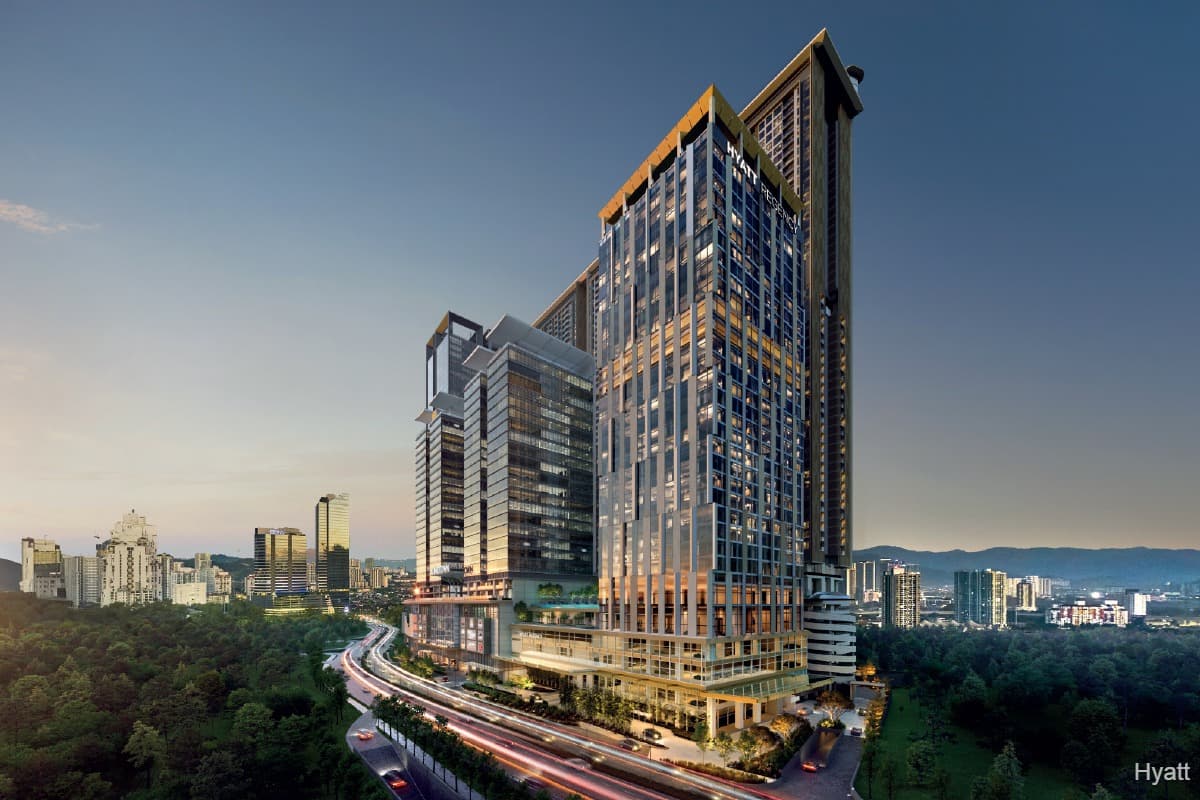
The five-star hotel is part of KL Midtown in Dutamas, a mixed-use development comprising premium offices, residential towers and retail spaces. It is located a stone’s throw away from the Malaysia International Trade and Exhibition Centre (MiTEC).
With 410 keys in total, the hotel will have 306 hotel guestrooms and suites, and 104 fully serviced one- and two-bedroom residences for extended stays. Each standard guestroom measures 42 sq m, or about 452 sq ft.
While Kuala Lumpur’s hospitality scene has long been anchored around the KLCC area, Martin explains that Hyatt Regency Kuala Lumpur has intentionally chosen a different path.

“We don’t like to do what everyone else is doing. KLCC is already saturated. KL Midtown, on the other hand, offers us a blank canvas to introduce something new. We are the first five-star hotel in this part of the Klang Valley and this gives us the freedom to shape the experience from the ground up,” he says.
“The rooms were designed with flexibility in mind. Whether it is a weekend staycation, an international conference or a long-stay corporate guest, we want to ensure the accommodation feels thoughtful, spacious and intuitive.”
With its proximity to MiTEC, Hyatt Regency Kuala Lumpur is also looking to bring a strong event and meetings proposition to the market. With more than 10,000 sq ft of event space, including a pillarless ballroom and 15 function rooms, the hotel caters to a broad spectrum of events, from weddings and gala dinners to corporate retreats and product launches.
“MiTEC caters to mega conventions of up to 5,000 people, but not every event needs that scale. We offer a more intimate, premium setting — tailored for clients who want personalisation, not just square footage,” says Martin.
The hotel was designed by Japanese architect Kengo Kuma, who brings his passion for nature to life by seamlessly blending natural elements with Malaysian heritage, art and culture to create a harmonious and immersive experience.
His design philosophy is showcased in the hotel lobby, where the extensive use of wood creates an inviting ambience, accompanied by tiles and Malaysian flora — most notably the national flower, the hibiscus — that blend seamlessly with the wood tones.
Greenery, trees and more than 500 artworks by local artists, including both original pieces and curated reproductions, bring in connection to nature and a uniquely Malaysian character to the hotel.

Food and beverage
Food and beverage is the highlight of the hotel, and there are five outlets: a brasserie, a Japanese restaurant, a Chinese restaurant, a lounge and a pool bar.
The Japanese restaurant — Enso Izakaya & Bar — will be designed by Kuma. Inspired by traditional Japanese rice farming culture, the design captures the rustic warmth of a countryside farmhouse, reinterpreted with modern elegance and a soothing, earthy colour palette.
Midtown Brasserie serves as the all-day dining hub, showcasing the rich tapestry of Southeast Asian flavours, complemented by comforting Western classics. Finally, China House will specialise in northern Chinese and Sichuan cuisine.
“After spending 11 years in Beijing, I came to appreciate the richness of northern Chinese food. So when I moved to KL and saw how few places offered it, I knew this was our chance to do something different. Our Peking duck, for instance, is something I personally take pride in,” Martin says.
Sustainability, he notes, plays a vital role in the hotel’s overall philosophy, as it is designed to minimise its environmental footprint, incorporating eco-friendly practices across operations. The use of system formwork, precast concrete drainage culverts and autoclaved aerated concrete blocks further enhances material sustainability.
“We are committed to being a leader in green hospitality. That means cutting down on single-use plastics, rethinking water usage and making design choices that are mindful of our environment. It’s not just about ticking boxes — it’s about real, tangible responsibility,” he says.
Save by subscribing to us for your print and/or digital copy.
P/S: The Edge is also available on Apple's App Store and Android's Google Play.