

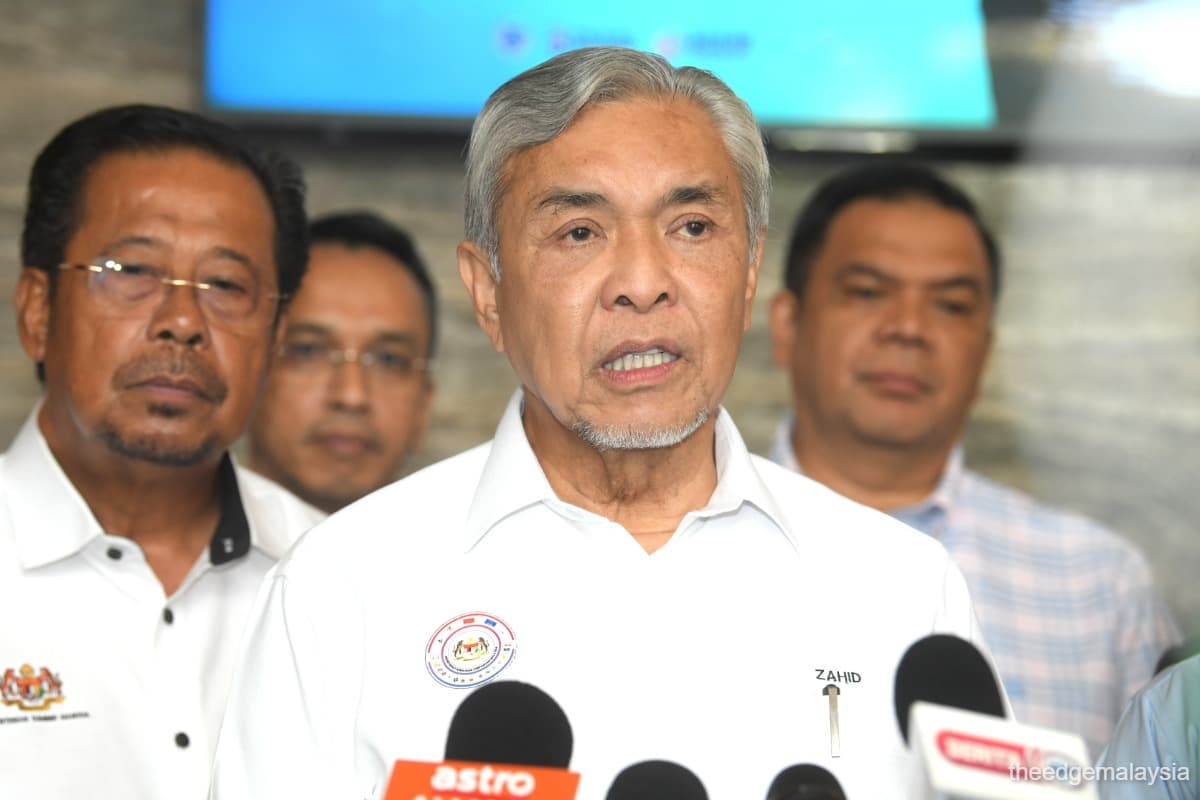
BANGI (July 1): The much-anticipated Gig Workers’ Bill is slated for tabling in the upcoming parliamentary session, Deputy Prime Minister Datuk Seri Dr Ahmad Zahid Hamidi announced on Tuesday.
Originally scheduled for October 2024, the bill is now expected to be presented to Parliament between August and September, according to Ahmad Zahid.
Ahmad Zahid said the Gig Workers’ Bill represents a significant step towards establishing a social protection framework for over 1.12 million Malaysians engaged in the sector. He added that the proposed bill aims to ensure fairness by balancing worker welfare with the operational efficiency and flexibility of digital platforms.
“This is part of the government’s ongoing commitment to strengthen the national gig economy ecosystem through inclusive and progressive policy approaches,” Ahmad Zahid said after chairing the Sharing Economy & Gig Industry Roundtable Session.
“Our goal is clear — to create a balance between industry interests and the welfare of gig workers, while making the gig economy a key driver for the nation's digital economy that is fairer, more responsive, and sustainable,” he said.
Discussions at the roundtable also included the establishment of the Gig Economy Commission (SEGiM), which will be responsible for implementing, coordinating, and monitoring the national gig sector, said Ahmad Zahid, who chairs the committee for SEGiM's establishment. The commission's duties include ensuring compliance with industry standards, promoting transparent policy implementation, and strengthening self-regulation practices among platform providers.
SEGiM will operate under the Prime Minister’s Department, with the Malaysia Digital Economy Corporation (MDEC) serving as its technical secretariat. MDEC will be tasked with consolidating industry input and coordinating engagement sessions with the Ministry of Human Resources, the Ministry of Transport, and other relevant agencies.
Tuesday’s closed-door roundtable session brought together over 100 participants, including representatives from various ministries, government agencies, and more than 80 gig economy platforms nationwide.