

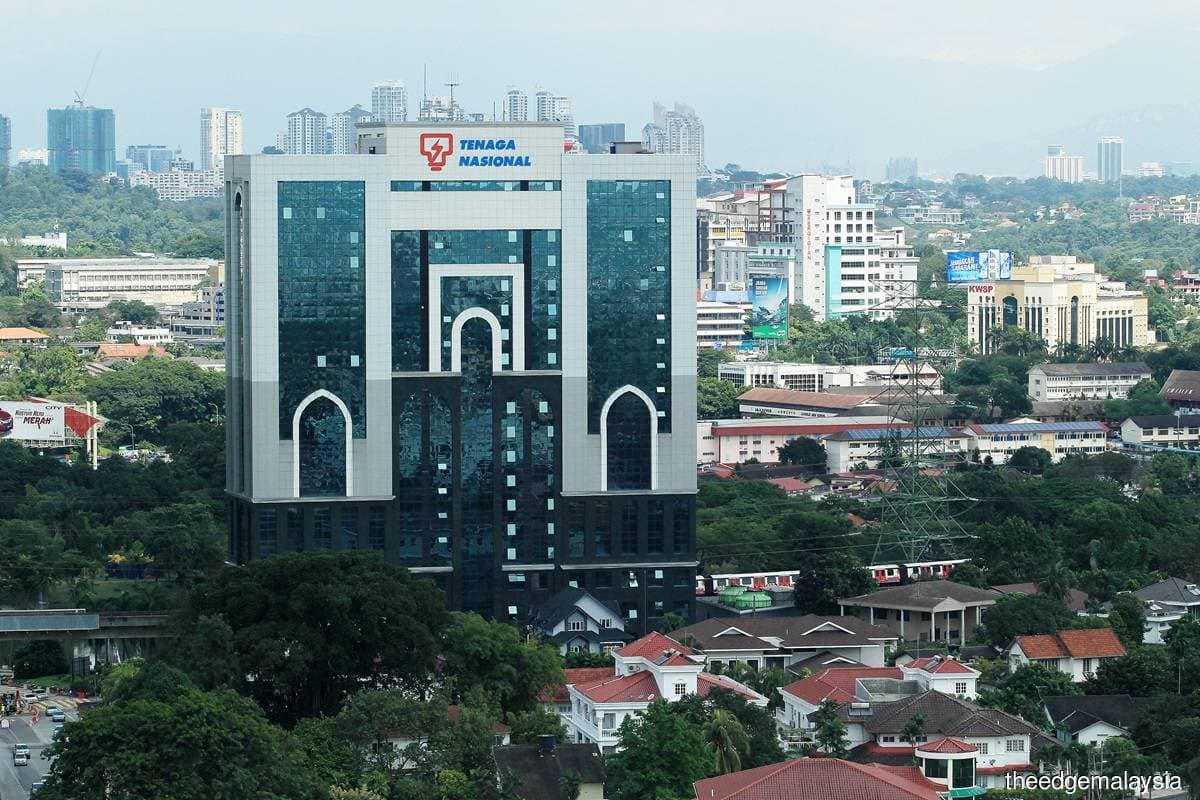
KUALA LUMPUR (June 23): A revision of the electricity tariff structure is now shifting the burden to heavier consumers to be more efficient and manage their power usage while providing slight savings to the typical homes, analysts said.
Under the new structure, non-residential users in the medium- and high-voltage categories will face a higher effective maximum demand charge while the time of use scheme has been extended to offer a longer off-peak period.
“This will incentivise large-scale commercial and industrial consumers to optimise their energy usage, particularly by reducing load during peak demand periods,” said Public Investment Bank in a note. “This will also support broader grid stability and a sustainable electricity supply-demand market.”
Last Friday, the Energy Commission announced a slew of changes that also includes monthly adjustment to electricity tariffs beginning July with cost pass-through under the automatic fuel adjustment mechanism.
Apart from a slight increase in base tariffs, the new system now categorises end-users based on consumption. However, more than 23 million domestic consumers using up to 900 kilowatt-hour per month may enjoy some slight savings under the new framework.
The tariff will also be broken down into charge categories — energy, capacity, network and retail charges. User categories will comprise low, medium and high voltage — heavier users will face higher energy, capacity, network, and retail charges. Domestic users fall into the low-voltage category.
Neutral for Tenaga
The new structure is “neutral to mildly positive” for national electric utility Tenaga Nasional Bhd (KL:TENAGA), according to Apex Securities in a separate note.
“The base tariff reduction is limited to pass-through generation costs, leaving the regulated return intact while the shift to monthly AFA enhances cost reflectivity and improves cash flow stability,” the house said.
Under the 'incentive-based regulation' framework, the base tariff is reviewed every regulatory period lasting three years to take into account changes in fuel costs and planned spending for operations and maintenance.
“While tariff revisions do not affect earnings directly,” the higher allowed capital expenditure increases the regulated asset base value and supports future earnings growth, said Kenanga Investment Bank.
Regulatory clarity
Overall, the latest announcement provides “the much-needed clarity and restore confidence in regulatory visibility” for investors shaken by a six-month delay in implementation that had raised fears of a potential downward revision in allowed returns for Tenaga, said CGS International.
Further, the shift to monthly fuel cost pass-through is a clear positive for Tenaga’s cash flows as it “reduces timing mismatches and receivables risk”, helping to ease working capital requirements and improves cash flow visibility, the house said.
“This should consequently help ease working capital requirements and improves cash flow visibility, giving management greater flexibility in managing capex and dividend payouts,” CGS International added.