

KUALA LUMPUR (June 18): Malaysia must begin tackling politically sensitive structural reforms, including considering a universal pension scheme, to prepare for a rapidly ageing population and stagnating real wages.
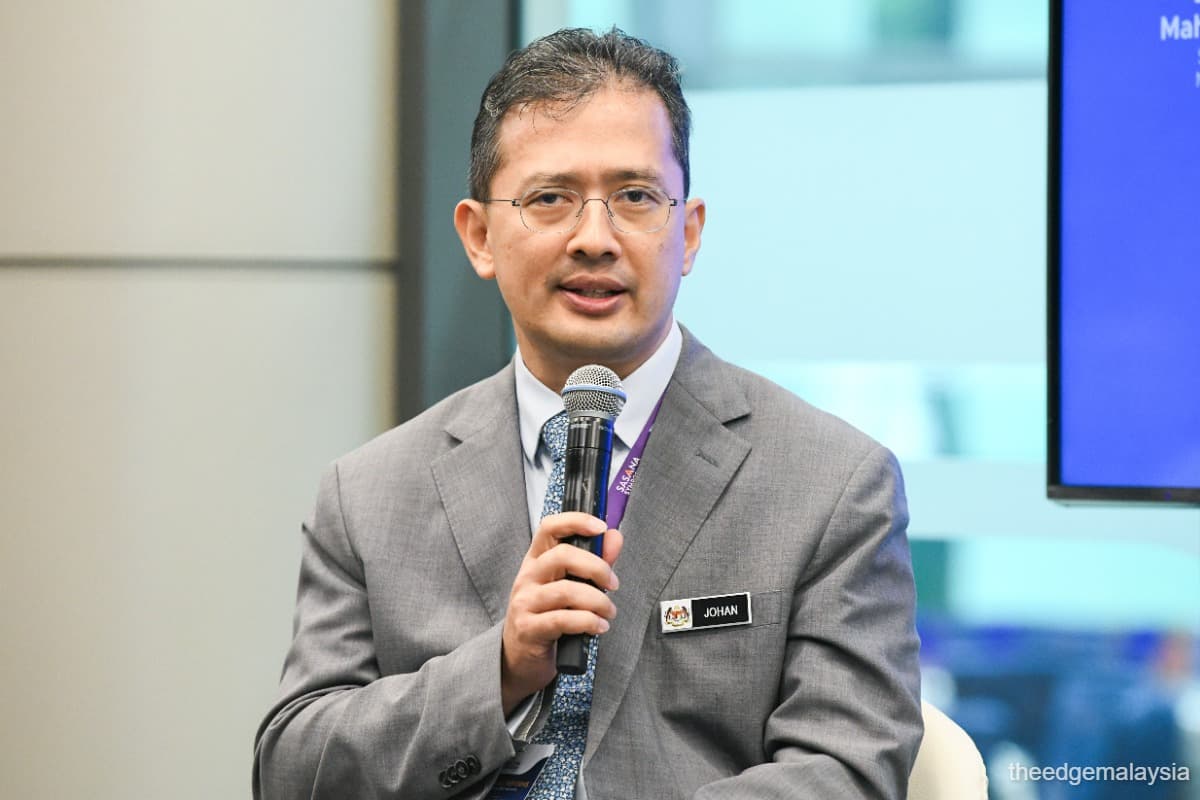
While such reforms would entail difficult trade-offs and touch cultural sensitivities towards redistribution, they are necessary to ensure fiscal and social sustainability over the long term, said Finance Ministry secretary general of Treasury Datuk Johan Mahmood Merican.
“You can’t simply write up a social contract and say, sign here,” Johan said. “We need to again slowly convince, engage taxpayers, contributors, on the potential of those being more able to contribute more towards a common pool.”
Johan was speaking during a panel discussion on Social Safety Nets: Securing the Future at Bank Negara Malaysia’s Sasana Symposium 2025 on Wednesday.
Malaysia is already an ageing society, typically defined by the United Nations as a country where at least 7% of the population is aged 65 and above. By 2044, Malaysia will become an aged society, with seniors making up 14% of the population, according to World Bank projections.
However, a large swath of the 30 million-plus population have inadequate savings for retirement, with more than six million people under the age of 55 having less than RM10,000 in their retirement accounts, according to the Employees Provident Fund (EPF)’s data as of September 2023.
Coupled with a declining fertility rate, a narrow income tax base, and longer life expectancy, the country’s demographic dividend is fast narrowing, Johan warned. “There is a need to figure out how we sustain that,” he said.
The idea of a universal pension has gained traction in some policy circles, especially to support informal sector workers and the financially vulnerable elderly.
However, Johan noted that such proposals would likely raise contentious debates around cross-subsidies, equity, and contribution fairness — particularly given Malaysia’s relatively small tax-paying workforce, estimated at just 30% of total workers.
“There are always concerns — who’s paying for whom, is it fair? Even the notion of tiered EPF dividends drew backlash,” he said.
An earlier policy proposal calls for those with lower savings at the EPF to receive slightly higher dividend rates. “That seemed to get some form of reaction, where they said this is a savings [scheme]; it’s not supposed to be across subsidies,” Johan said.
Johan pointed out that even voluntary mechanisms — such as inviting high-balance EPF members to donate a portion of their dividends to a fund supporting lower-income contributors — have struggled to gain traction due to deep-rooted discomfort with redistribution.
“These are things we can’t impose overnight. It’s about building consensus slowly, engaging society — especially taxpayers — on why we need to make these changes,” he added.