

This article first appeared in The Edge Malaysia Weekly on June 16, 2025 - June 22, 2025
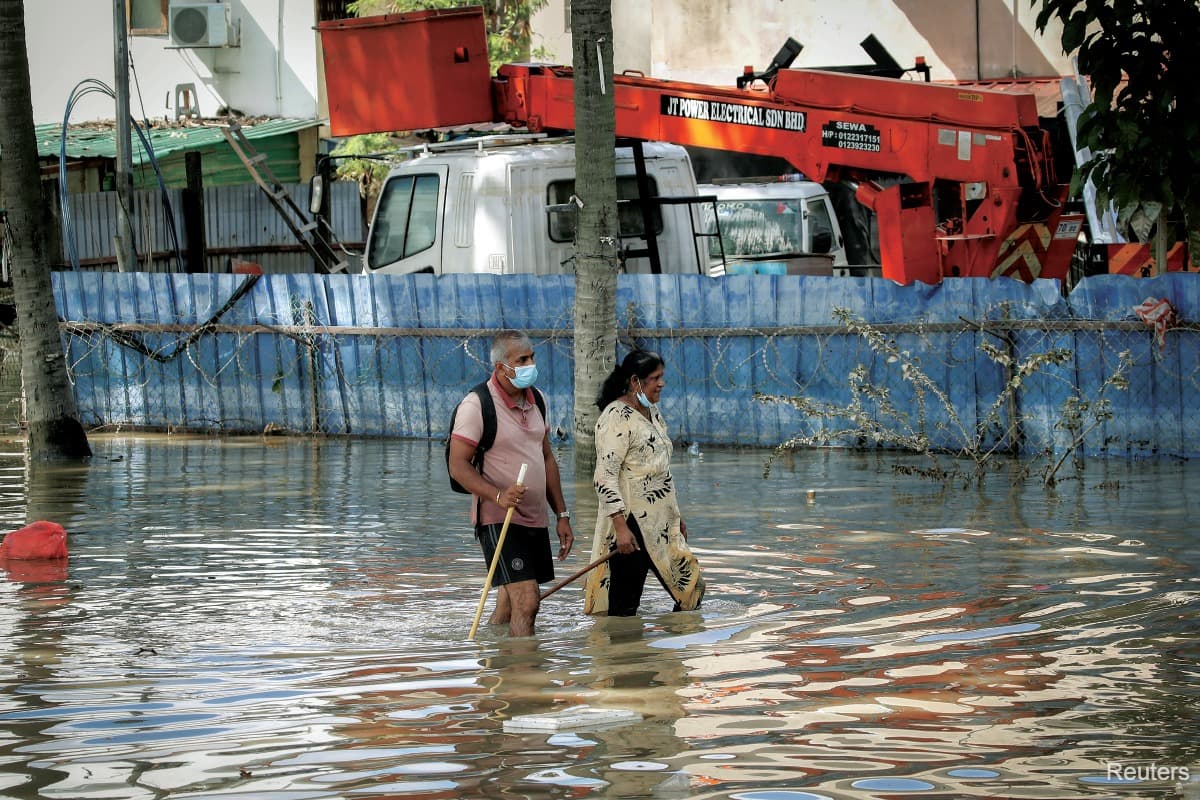
It is becoming more difficult for residents in places such as Program Perumahan Rakyat (PPR) Beringin and Kampung Pasir Baru to recover from frequent floods and rising temperatures, which are climate change impacts that are only expected to worsen in Malaysia.
In a survey under the Climate Resilience Implementation Plans (CRIP) programme, it was found that the two housing estates are among the most vulnerable areas to climate change risks in Kuala Lumpur.
PPR Beringin, which houses 8,364 residents, was identified as one of the hottest zones in the city, and many of its residents are elderly, which makes them especially vulnerable to heatwaves and floods, Che Roziani Mohd Shariff, chairperson of the PPR Beringin residents’ committee, tells ESG.
Meanwhile, Kampung Pasir Baru, which has 1,339 residents, has infrastructure gaps that leave the community exposed to frequent flooding because of its proximity to Sungai Penchala, says Teresa Wong, chief risk officer of the general segment and head of sustainability risk at Zurich Malaysia. Households in these areas lack adequate savings for post-disaster recovery such as floods, which heightens their vulnerability.
Zurich Malaysia, alongside Z Zurich Foundation (ZZF), Dewan Bandaraya Kuala Lumpur (DBKL) and C40 Cities designed the CRIP based on these findings, together with communities residing in the two areas.
The CRIP, which was officially launched last month, was prepared specifically to address these challenges faced by the local communities.

Making a difference
ZZF uses the Climate Resilience Measurement for Communities (CRMC), which Gregory Renand, head of ZZF, describes as a diagnostic tool with around 50 indicators, to identify localised climate risks and assess a community’s level of preparedness. Once vulnerabilities are identified, a co-creation process is used to jointly design solutions.
This informs the implementation of the CRIP. For instance, the CRIP for Kampung Pasir Baru and PPR Beringin were the result of multi-stakeholder collaboration, which includes input from residents, local experts and governmental bodies.
The CRIP reflects the priorities of the communities most affected by flooding, extreme heat and other climate-related risks.
Actions that have been identified for Kampung Pasir Baru’s CRIP are divided across short-, medium- and long-term timelines.
In the short term, there will be flood prevention awareness and training programmes, the installation of pod sticks to monitor rising water levels, as well as community clean-up activities to remove debris from drainage systems. There will also be installation of underground water storage to manage excess rainwater.
Medium-term goals under the CRIP include the enhancement of natural berms, which serve as a barrier to reduce flood risks, upgrading of the current pump house to improve drainage and the development of a drainage master plan. The long-term plan is the implementation of the drainage master plan.
Likewise, PPR Beringin’s CRIP focuses on six key areas, which involves developing a financially empowered community, the greening of shared spaces and developing connected neighbourhoods, promoting urban farming for local livelihoods, and establishing a flood-safe community.
Short-term plans include organising financial support workshops, identifying and activating vacant plots for community planting, launching a heatwave public awareness campaign and carrying out clean-up drives for drainage and sewerage systems.
Medium-term goals involve introducing a community financial support scheme, conducting a community heat-mapping exercise, designing a green landscape plan, finalising a spatial plan for the neighbourhood and installing flood barriers at key runoff points.
Long-term initiatives will include building recreational green pockets, constructing shaded walkways, scaling up rooftop and vertical farming systems, establishing a local community market and co-op, rolling out a comprehensive community cooling strategy, as well as implementing a full flood response plan with early warning systems and household flood kits.

What’s next for PPR Beringin and Kampung Pasir Baru?
The next 12 to 18 months will be spent executing the action plan, says ZZF’s Renand. This will begin with “quick wins” to rectify issues that are identified early on. An example is an initiative to paint building exteriors with heat-reflective coating, which is a low-cost but effective method that reduces indoor temperatures, he says.
On May 24, a “quick win” initiative was held at PPR Beringin, where residents learnt about urban farming and heat health.
Che Roziani says these urban farming initiatives ensure low-income households have access to food and can create income opportunities for residents. She adds that educating residents, especially the elderly, on the dangers of heatstroke is necessary, in view of rising temperatures. However, broader resident participation was still lacking during the “quick win” initiative at PPR Beringin, with low community attendance especially among the adults. This is why Wong says that broader participation in these communities are necessary. Higher resident participation is crucial to achieve meaningful grassroot impact, she says.
All these efforts are just the beginning. Resilience is not only about physical infrastructure but also about changing mindsets and improving knowledge on climate impacts, especially floods and heatwaves, says Renand.
“It’s important that there is proper monitoring of the execution of the plans with proper documentation, proper reporting and impact measurement, because at the end of the day, what we are interested in is, first and foremost, to generate a positive impact on the people living in these two communities in KL but also validate that the interventions and solutions we have implemented are actually effective,” he adds.
Renand says the impact will be measured by long-term changes in community conditions such as improved preparedness and resilience to climate events, enhanced living conditions and the strengthened ability to recover from climate crises.
ZZF also evaluates how city planning integrates resilience and adaptation by comparing baselines before and after the programme. In this regard, DBKL will begin rolling out a series of initiatives by working closely with relevant agencies to integrate the CRIP strategies into the city’s broader climate adaptation plans.
Ultimately, ZZF’s approach is that prevention is the best form of protection, says Renand. “We look at the spectrum, from helping communities with a preventive approach to protect themselves and their assets before a catastrophe happens. Of course, it will not prevent a catastrophe from happening, but it will reduce the impact on people and communities [and ensure] there are preparedness and recovery efforts.”
Save by subscribing to us for your print and/or digital copy.
P/S: The Edge is also available on Apple's App Store and Android's Google Play.