

This article first appeared in Capital, The Edge Malaysia Weekly on May 26, 2025 - June 1, 2025
Last Sunday, Liverpool head coach Arne Slot delivered a heartfelt tribute to his predecessor Jürgen Klopp after securing Liverpool Football Club’s 20th English top-flight league title.
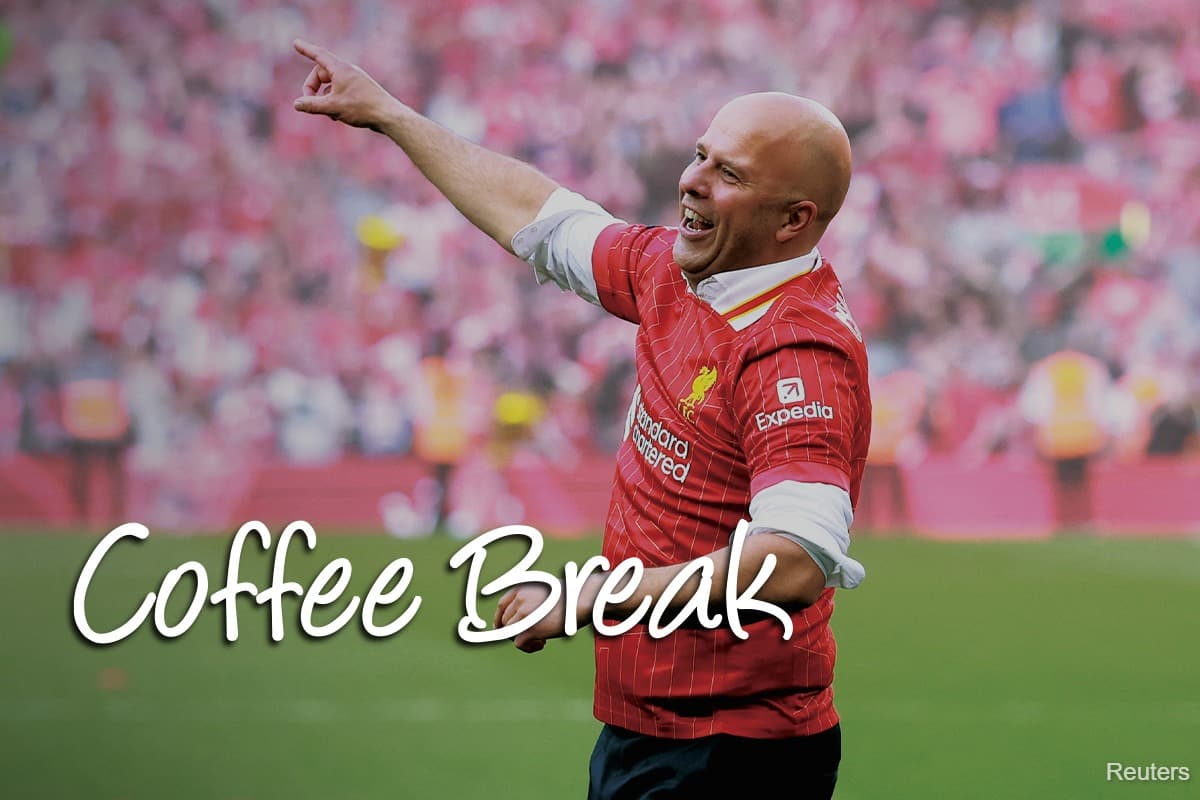
Slot clinched the Premier League in his debut season, following a commanding 5-1 win over Tottenham Hotspur. But rather than basking in personal glory, Slot immediately paid homage to Klopp, recognising the strong foundation he inherited.
“It feels great. I don’t think I want to say a lot. The only thing now is to send my appreciation to Jürgen Klopp,” Slot said post-match.
In a symbolic gesture, Slot led the Anfield crowd in chanting Austrian pop rock band Opus’ 1984 track Live is Life, swapping in Klopp’s name — mirroring what happened at the German’s farewell in May 2024 when he led fans in welcoming Slot before the Dutchman had even arrived in Merseyside.
“So many moments this season the two of us have had contact,” Slot told BBC’s Match of the Day. “He showed what a wonderful human being he is by introducing me. But what mattered most is the team he left behind that was able to win the trophy.”
This smooth transition stands out — not just in football, but as a case study for leadership in business and politics. Too often, leadership changes are marred by insecurity and ego.
Outgoing leaders try to cling to influence, fearful of being forgotten. Incoming leaders, desperate to assert authority, dismantle successful structures just to stamp their identity.
The Klopp-Slot handover offers a different template. Klopp did not protect his legacy at the expense of Liverpool’s future. He stepped down when he was running out of energy. He then urged fans to give Slot the same full-throttle support they once gave him.
Slot, in turn, did not feel the need to tear everything down. Instead, he made subtle, yet crucial, adjustments. Slot’s Liverpool is more controlled and calmer than Klopp’s trademark heavy-metal, high-pressing football. The chaos was replaced with greater tactical composure, but the spirit — relentless, collective, fearless — remains.
More importantly, Slot acknowledged what he had inherited. He did not pretend to be a genius. He did not take all the credit. He showed gratitude — a rare, but powerful, leadership trait.
From a business and political lens, there is plenty to take away. True leadership is not just about performance during one’s tenure, but about what happens after. Preparing successors, empowering them and stepping aside with grace is a mark of strength, not weakness.
For successors, the lesson is equally important: Respect the work that was done before you entered the picture. Sustainable success does not come from erasure, but from evolution.
Liverpool’s example shows that a respectful handover built on mutual trust and a shared purpose not only preserves momentum, it accelerates it.
Thirty-four games in, Liverpool are champions again — not in spite of the transition but because it was handled the right way.
For leaders everywhere, Klopp and Slot offer a timely reminder: True legacy is not about holding on. It is about letting go, lifting others up and hoping they do even better.
And when Slot led the Anfield crowd in chanting Klopp’s name on Sunday, it was — to me — a more beautiful moment than winning the title itself. The full circle was completed, not just in footballing glory, but also in leadership done right.
Save by subscribing to us for your print and/or digital copy.
P/S: The Edge is also available on Apple's App Store and Android's Google Play.