

KUALA LUMPUR (May 16): Bank Negara Malaysia’s (BNM) recent decision to slash the statutory reserve requirement ratio (SRR) was not an indication of an upcoming change in the overnight policy rate (OPR), instead it was due to a decline in banking system liquidity.
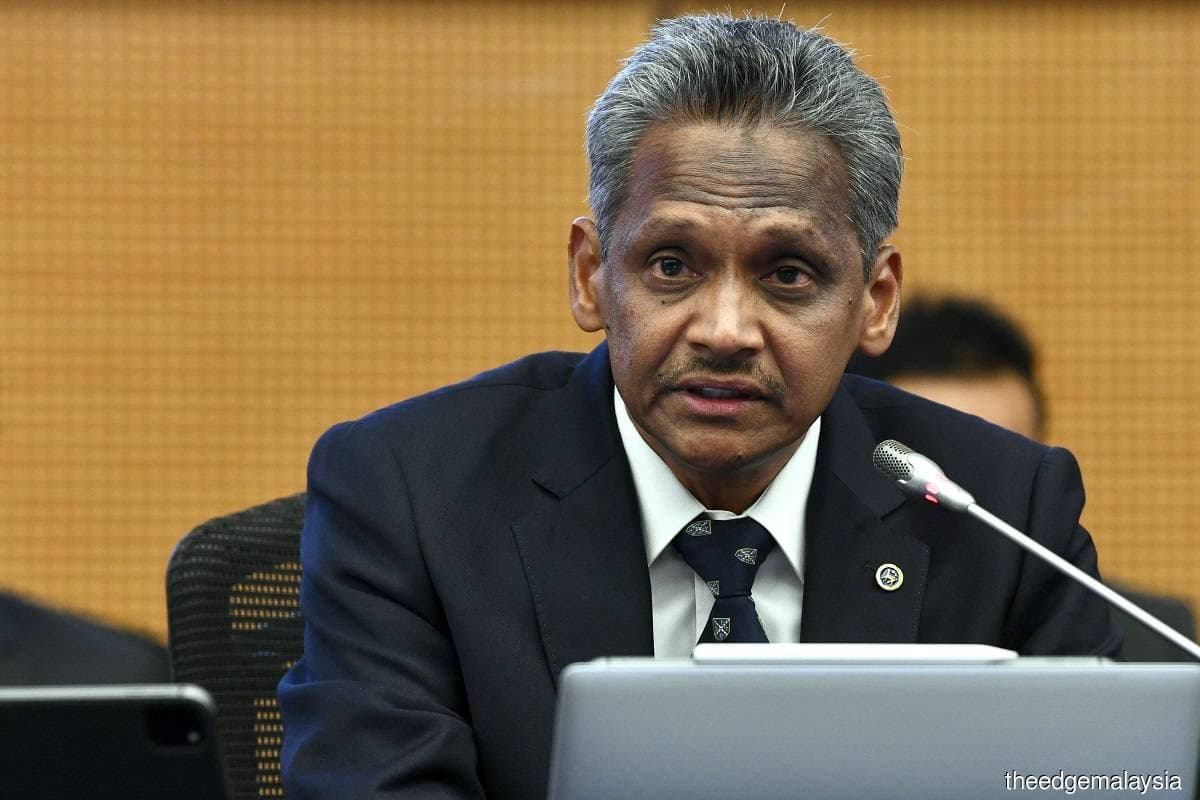
“SRR is not a prelude to an OPR cut. It should not be seen as that,” BNM governor Datuk Seri Abdul Rasheed Ghaffour said at a press briefing on the country’s economic and financial developments in the first quarter of 2025.
He noted that the SRR cut was a pre-emptive move to ensure banks have sufficient funds to continue supporting the domestic economy through lending and credit provision.
Additionally, the central bank has observed a downward trend in the banking system liquidity since the previous year, prompting the need for targeted intervention.
“The reduction in the SRR by 1% will inject about RM19 billion permanent liquidity into the banking system, and we see this as a way to also improve the liquidity management by the banking system as well as facilitate greater intermediation by the banking institutions,” said BNM deputy governor Datuk Marzunisham Omar.
WATCH: SRR move not a prelude to OPR cut, says BNM
The SRR cut decision came despite BNM stating that the banking system liquidity position remained “healthy to facilitate financial intermediation”.
Aggregate liquidity coverage ratio — the amount of high-quality liquid assets that banks must hold to meet short-term obligations — was 151.6% as of March 2025. Loan growth was also sustained with the aggregate loan-to-fund ratio, the proportion of total loans to total deposits, coming in at 83.9%, according to the central bank’s April 30 statement.
The SRR, which is a monetary policy tool used to manage liquidity, has remained unchanged since March 2020. The governor highlighted that the overall monetary policy remains to be guided by the OPR, which the central bank kept unchanged at 3% during its May monetary policy meeting, citing continued support for sustainable growth amid stable inflation dynamics.
As for now, the governor said the country’s monetary policy stance remains appropriate to support sustainable economic growth.
"We will continue to monitor the developments to get a clearer picture. I will be meeting with the next Monetary Policy Committee (MPC) and we have six MPC meetings in the year.
"That will help us in terms of making decisions, whether to move or not to move in terms of our monetary policy position," he added.