

PUTRAJAYA (May 6): The defence in Datuk Seri Najib Razak’s 1MDB-Tanore trial closed its case on Tuesday, bringing the seven-year saga closer to a verdict, after twists and setbacks, including the death of the lead prosecutor.
Judge Datuk Collin Lawrence Sequerah set deadlines for written submissions by Sept 30, and replies by Oct 10. Oral submissions will take place over nine days starting Oct 21.
The judge hopes the submissions focus on the key issues raised by the defence. After hearing the submissions, he will set a date to deliver his verdict.
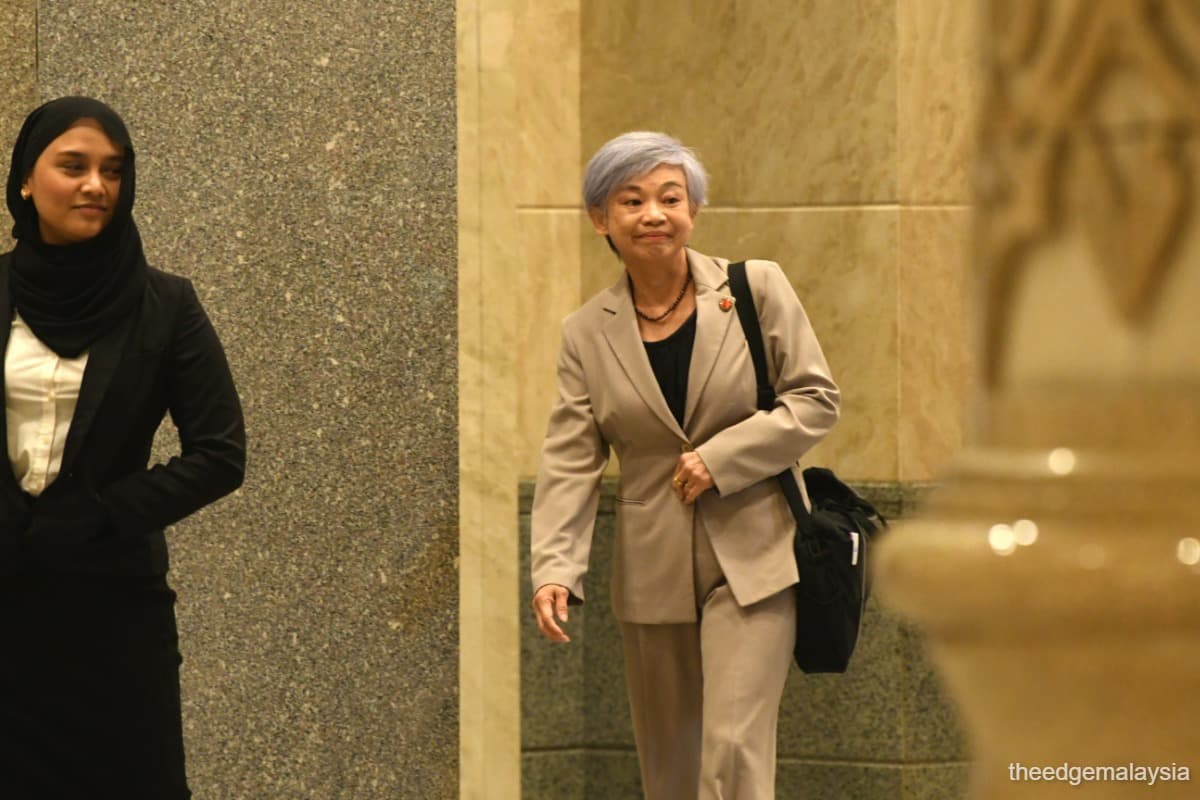
The defence ended its case with the 26th and final defence witness, handwriting expert Tay Eue Kam, giving her testimony. The trial, which began in 2019, has been overseen by Sequerah, who is now a Court of Appeal judge.
Najib was first charged in this case on Sept 20, 2018, and the trial started almost a year later on Aug 28, 2019. The prosecution took 233 days and called 50 witnesses before the judge ruled on Oct 30, 2024, that there was enough evidence to continue the trial (prima facie) and that Najib had to defend himself against the charges.
The prosecution was led by former Federal Court judge Datuk Seri Gopal Sri Ram until his death in January 2023. Afterward, deputy public prosecutor Kamal Bahrin, deputy director-general of the National Anti-Financial Crime Centre, took over.

Najib began his defence on Dec 2, 2024. Over 58 days, 25 other defence witnesses testified, including former ministers, police officers, and business figures.
Prominent defence witnesses included former chairman of 1MDB Tan Sri Che Lodin Wok Kamaruddin; former Minister in the Prime Minister’s Department (Religious Affairs) Datuk Seri Jamil Khir Baharom; former Entrepreneur Development Minister Datuk Seri Noh Omar; former Goldman Sachs banker Roger Ng Chong Hwa who convicted in the US for his role in the 1MDB scandal; retired police investigator ACP R Rajagopal; former Inspector General of Police Tan Sri Mohd Fuzi Harun and Tengku Datuk Rahimah Sultan Mahmud, former director of the Terengganu Investment Authority (the original version of 1MDB) and sister of the current Sultan of Terengganu, Sultan Mizan Zainal Abidin.
The defence team, led by Tan Sri Muhammad Shafee Abdullah, officially closed its case with Tay's testimony.
Najib is facing four charges of abuse of power under the MACC Act 2009, and 21 charges of money laundering involving RM2.27 billion of 1MDB funds.
The case has received massive media coverage and is widely regarded as the world’s biggest kleptocracy case.
Defence’s last witness — the handwriting expert
During cross-examination, handwriting expert Tay agreed with the prosecution that some of her past testimonies were not accepted by the court. She explained this was due to having limited samples in those cases.
In Najib’s case, she said she couldn’t draw conclusions about his signatures on 1MDB-related documents and cheques because she was only given photocopies, not the original documents.
"It is strongly recommended that the original specimen and the questioned documents be obtained to enable a more comprehensive analysis. Examination of original materials would allow a more accurate assessment of handwriting characteristics, ink properties, and other forensic indicators that may not be apparent from reproduced or low quality images," she said in her report.

During re-examination by Shafee, Tay explained that she didn’t read the court judgments where her testimony was not accepted but was only informed of it by the lawyers.
Shafee: Why you cannot make conclusions in those cases?
Tay: I had been given a copy of the documents which was not of good quality.
Shafee: Was the judgment of the judge in relation to the quality of the documents used?
Tay: I do not know.
Shafee: So you do not know what the judge says, whether it is the quality of the document or the quality of your examination of the documents?
Tay: I do not know.