

KUALA LUMPUR (April 28): Sime Darby Property, in collaboration with Tenaga Nasional Berhad (TNB), has launched Malaysia’s first community solar rollout under the National Energy Transition Roadmap (NETR), becoming the first company to participate in the government’s Community Renewable Energy Aggregation Mechanism (CREAM) initiative.
The programme involves leasing rooftop spaces from residential homeowners, without requiring them to install solar panels, to generate electricity for nearby commercial and industrial developments. The project will commence in Sime Darby Property’s City of Elmina township, according to a press release dated April 28.
Sime Darby Property will work with TNB’s solar subsidiary GSPARX Sdn Bhd to enter into lease agreements with residential homeowners interested in participating in this programme. Rooftops of the participating homes will be utilised to generate electricity, which will be exported via the local distribution line within a 5km radius for use at Sime Darby’s commercial and industrial developments.
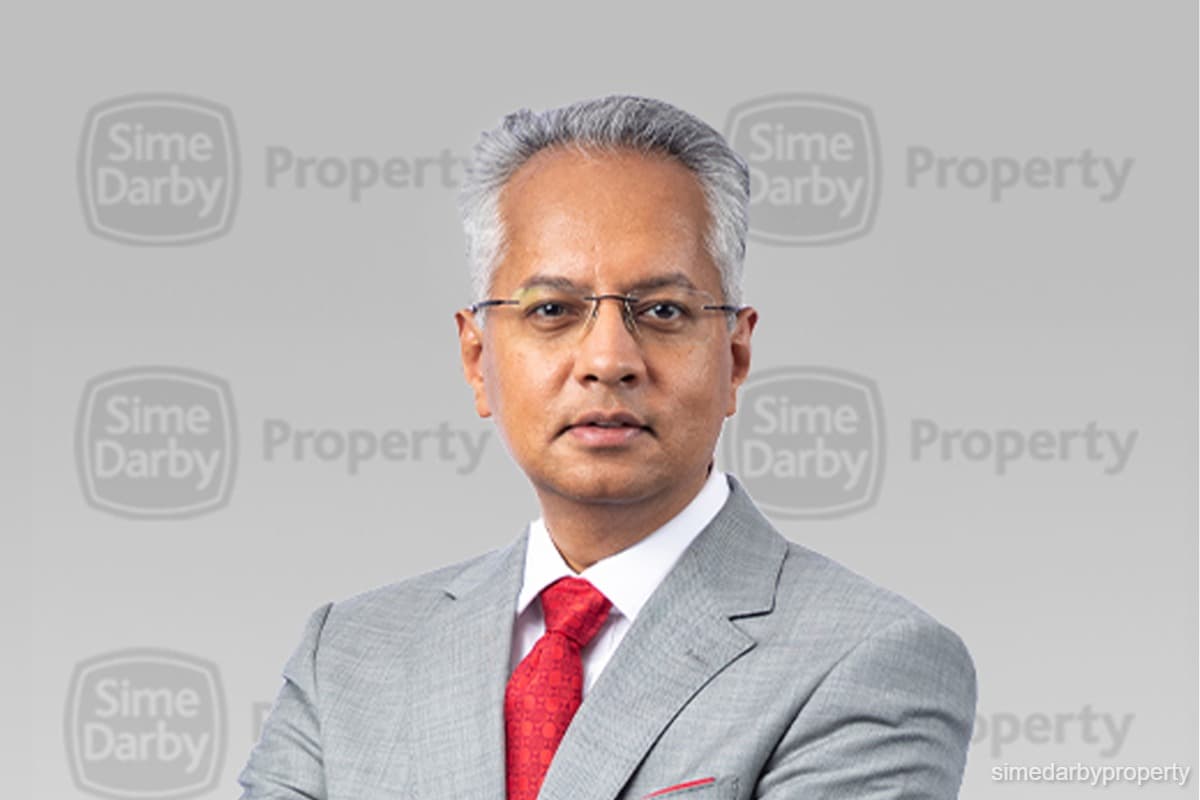
“This approach complements our broader decarbonisation strategy, aligns with national energy objectives and directly contributes to our emissions reduction targets,” said Sime Darby Property group managing director and CEO Datuk Seri Azmir Merican.

The CREAM framework was introduced by the Ministry of Energy Transition and Water Transformation (PETRA) in March 2025 to empower community-based renewable energy generation and promote wider access to green electricity through Local Energy Generators and Aggregators (LEGA) like Sime Darby Property.
According to the statement, Sime Darby Property has committed to reducing Scope 1 and 2 emissions by 40% by 2030 and achieving net-zero carbon emissions by 2050. The initiative also supports Malaysia’s national goal of reaching 70% renewable energy capacity by 2050.
The collaboration follows a joint venture established between Sime Darby Property and GSPARX in July 2024 to finance, develop and operate rooftop solar generation projects, building on a 2023 memorandum of understanding exploring sustainable energy infrastructure including solar, EV charging and microgrid systems.