

This article first appeared in Digital Edge, The Edge Malaysia Weekly on February 10, 2025 - February 16, 2025
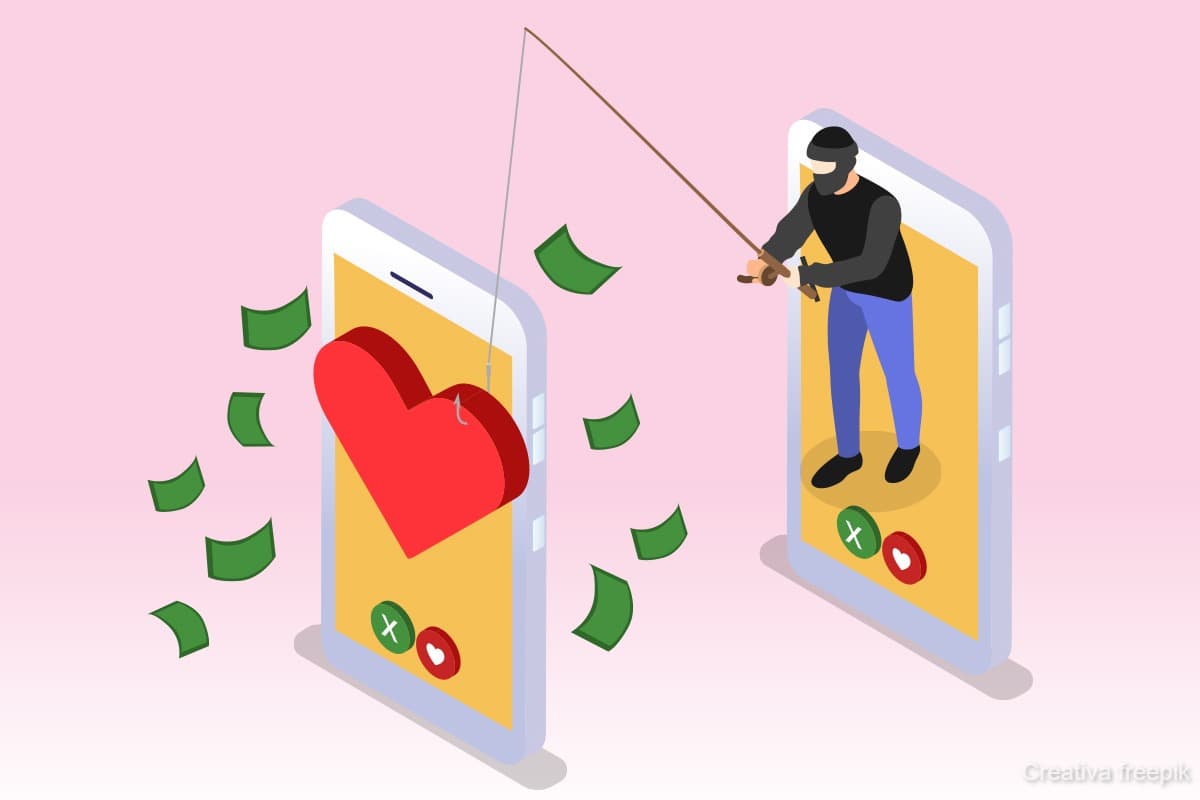
This Valentine’s Day, you might be in the mood for affection, but the person behind that romantic message could be after more than just your heart. A single cybercriminal group recently raked in US$46 million (RM201 million) from men across Asia, targeting victims from Taiwan to Singapore with deepfake romance scams.
Now imagine an emotionally engineered artificial intelligence (AI) software that generates a live video of a man who resembles a Chinese celebrity in order to scam an 80-year-old widow out of her retirement savings of RM30,000. Or receiving a deepfake WhatsApp call from a popular Malaysian singer who attempts to convince you to part with your money for fictitious rewards.
Voice calls and live videos that convincingly mimic trust as well as high-profile individuals are now being weaponised to manipulate people of all ages on a scale that consumers cannot afford to ignore. In 2024, Malaysians lost US$12.8 billion to scams, equivalent to 3% of the nation’s gross domestic product (GDP).
The past year has been a turning point for consumers and fraudsters alike, with the development of generative AI accelerating at breakneck speed. While the Malaysian government has allocated RM600 million to AI R&D in 2025, targeting sectors such as healthcare, agriculture and cybersecurity, consumers also need to remain vigilant and educate themselves on the risks of AI-driven scams, where even a far-fetched celebrity romance can feel real.
On a dating app? Here’s what to look out for
The world of online dating, once a realm of exciting possibilities, is increasingly plagued by sophisticated scams.
It is becoming increasingly difficult to discern genuine accounts, even with facial verification features now offered by some platforms. Deepfake technology has made it possible for bad actors to bypass these face scan tools, creating a false sense of security. That said, there are simple rules to follow for safer online dating.
Rule 1: Avoid unverified investment advice
Never take investment advice from someone you have just met online, especially if they recommend investing in something unfamiliar. Love scams are a long game — fraudsters invest time to build trust with their victims before striking.
Consider the plight of a Malaysian working in Singapore who fell for this scam. After cultivating a seemingly genuine romantic relationship online, the scammer manipulated the victim into investing in a scheme that promised guaranteed returns. Her trust in him led her to fall for the bait, costing her nearly RM1 million.
The warning signs to watch out for if you are on a dating app include a sudden shift in conversation that involves the person promoting a cryptocurrency investment or trading platform that promises profits. Such behaviour should raise immediate concern. Always approach such offers with scepticism and caution.
Rule 2: Never share personal information
Avoid sharing sensitive details such as bank account numbers or personal data early in your conversation. While this might seem like common sense, it is often easier said than done. Unfortunately, many Malaysians fall for scams, with millions lost annually through dating platforms.
Scammers are experts in emotional manipulation, using tactics that create a false sense of trust or urgency. For example, they might craft elaborate backstories, pose as someone in distress or make their victims feel uniquely understood and cared for.
Recognising these red flags is essential. Be wary of anyone who asks for personal or financial information too soon, regardless of how genuine they appear.
Rule 3: Limit location sharing
Be cautious about granting location access. According to a research done by Belgian university KU Leuven last year, oversharing location data can lead to stalking or physical safety threats as it can pinpoint the location of victims down to two metres. And this spells trouble. Scammers might use your location to manipulate you into believing they are local or create a sense of shared familiarity.
Hence, consider disabling location-sharing features on dating apps or limiting how precise your location appears. Many platforms offer settings that allow you to generalise your location instead of pinpointing your exact whereabouts. Always prioritise your privacy and think twice before sharing location details with someone you have just met online. Stay vigilant, and remember: If it feels too good to be true, it probably is.
Byron Fernandez is group chief information officer and executive vice president at TDCX , a customer experience service provider
Save by subscribing to us for your print and/or digital copy.
P/S: The Edge is also available on Apple's App Store and Android's Google Play.