


This article first appeared in City & Country, The Edge Malaysia Weekly on November 25, 2024 - December 1, 2024
WINNER | One Shell Square Miri | Pantai Bayu Indah Sdn Bhd
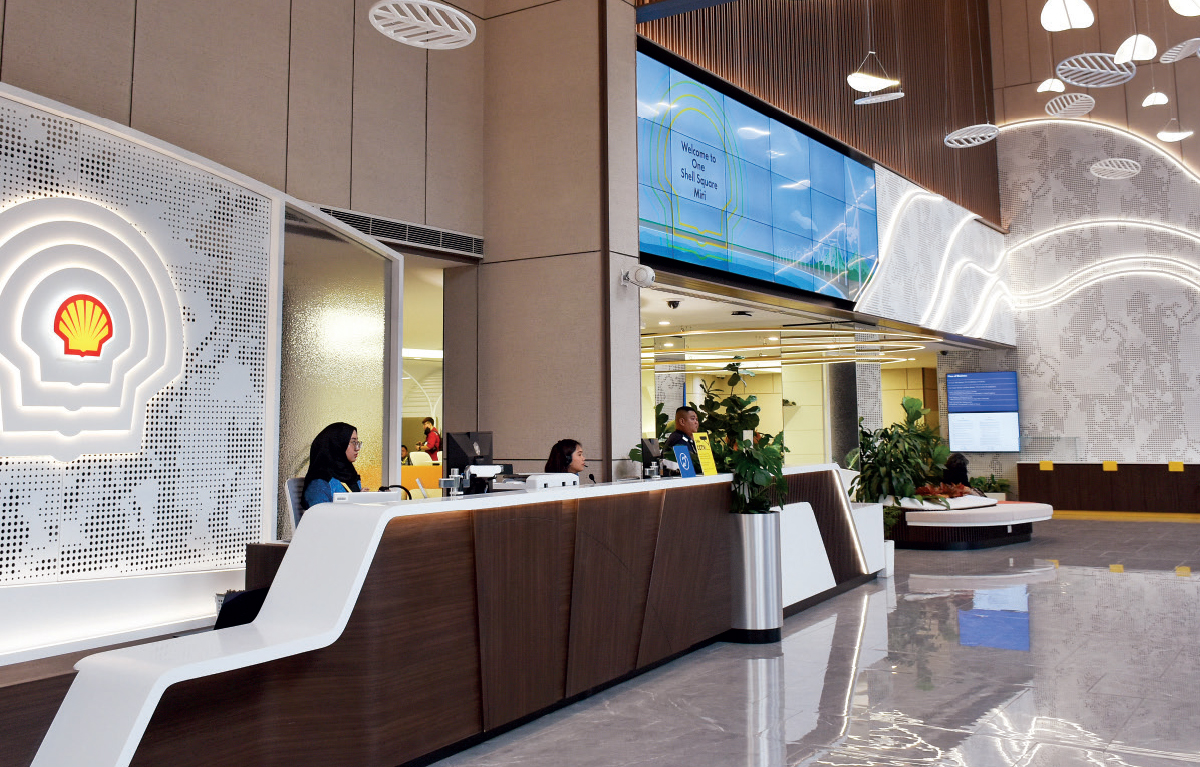
In the heart of Miri, Sarawak, stands a landmark that represents not just the city’s economic growth but also its commitment to sustainability. Serving as the upstream headquarters of Shell Malaysia, One Shell Square Miri is more than a regular office building.
With a Provisional Gold Green Building Index Certification obtained in January this year, the 13-storey One Shell Square Miri is a sustainable green building that adheres to global standards. It is located in the 19.2-acre Miri Times Square mixed-use development comprising offices, SoHo units and retail lots.
The mixed-use development is part of the larger 550-acre Marina ParkCity township in Miri, developed by Pantai Bayu Indah Sdn Bhd, which is a wholly-owned subsidiary of Perdana ParkCity Sdn Bhd (ParkCity Group).

More than 50 acres of the township have been developed to date, says ParkCity Group group CEO Datuk Joseph Lau.
Driving around the township, one would be reminded of the developer’s success story in Kuala Lumpur — Desa ParkCity. Much of the developed parts of Marina ParkCity, including the pavements and street lights, resemble the developer’s flagship township in Kuala Lumpur.
Similarly, the development of One Shell Square Miri is aligned with ParkCity Group’s efforts to introduce new measures to reduce the carbon footprint for all projects, says Lau. ParkCity Group chief operating officer (East Malaysia and Cheras) Liew Swee Choong adds that Shell Malaysia’s upstream headquarters reflect the group’s green aspirations and sustainability initiatives.
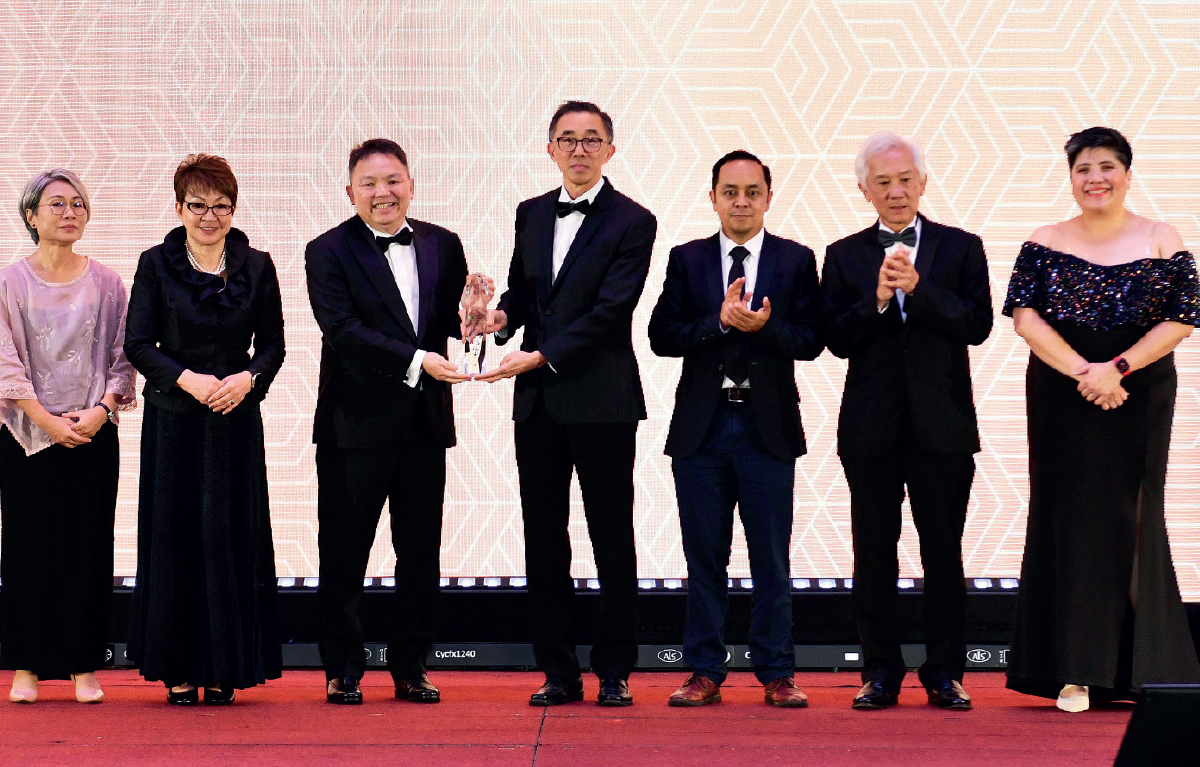
As green buildings continue to take centre stage in the fight against climate change, One Shell Square Miri is a leading example of sustainable development. For that, it took home The Edge Malaysia-PAM Green Excellence Award at The Edge Malaysia Property Excellence Awards 2024.
The beginning of a green partnership
Liew says, “We started Marina ParkCity over 30 years ago and it’s supposed to be an extension of Miri city itself. The topology of Miri is that on the eastern side, there is a hill called Canada Hill. So it sort of limits how the city will grow, which is only on the northern and southern side, and the city itself does not have much space.”
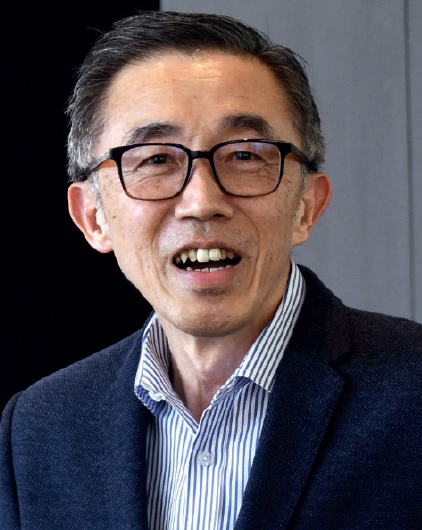
Lau notes, “Marina ParkCity is really a social cause because Miri was hindered by a lot of challenges due to its topology. So the state at that point of time asked if we could do something to expand Miri town. We started with the reclamation of Marina ParkCity. Miri has such a small population and we knew even then that developing it would take a long, long time.”
On how the partnership with Shell Malaysia came about, he says, “Shell used to be based in Miri 100 years ago. It has been its upstream headquarters for a long time and I think the company moved to Lutong in the 1970s. After a certain time, it moved to Kuala Lumpur.
“While the Covid-19 pandemic was ongoing, most industries came to a halt but Shell had a lot of things going on in the background. It was looking at consolidating everything and trying to bring back its upstream headquarters to Miri, where Shell first started 100 years ago. It was looking at a few options and then came to us.”
According to Lau, to get a new building up from scratch takes about six to seven years. But Shell wanted the delivery to be quick, within two years.
“That’s when we halted construction for a serviced suite project, which was about 48% completed. [The serviced suite was not for sale and was to be handled by an operator]. Then we deliberated if it would be possible to convert a serviced suite development into an office building. We looked at it and of course, it had its challenges. Not everything is ideal, but it’s possible,” he says.
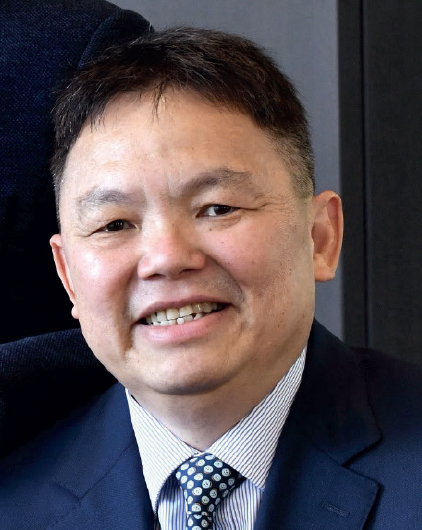
One thing led to another and Shell picked ParkCity Group because it planned on converting an existing building into the headquarters instead of building something completely new.
“Shell, of course, has recently placed a very high importance on green initiatives. So for the building it wanted, it had to be a green building. There was no compromise on that,” says Lau.
At the same time, ParkCity Group under the leadership of Lau also started looking to incorporate environmental, social and governance (ESG) and green principles into the building, says Liew.
“So it was a collision of ideas where both sides had this aspiration to provide a green building. And because the building is already there, one of the biggest advantages we had was the low percentage of embodied carbon. We didn’t have to knock down the building, which effectively avoided generating over 40% of the embodied carbon that new construction would produce,” he explains.
A 360° transformation
Just as Shell Malaysia requested, the building was transformed to suit its needs within two years, says Liew. He explains that the primary structural elements of the former serviced suite development that were already completed included the building’s foundation, columns, beams and floors. Nearly 47.82% of the existing building elements were reused for One Shell Square Miri.
Moreover, the reuse of existing elements minimises the need for new construction materials, thereby reducing landfill waste and minimising environmental disruption typically associated with demolition, he says.
For the transformation of the building, Liew explains, “Because the building was initially built for serviced suites, the floors had rooms and partitions. So all those brick wall configurations do not work in an office setting. They wanted an open floor concept, so a lot of the brick walls had to be taken down
“Serviced suites usually have long corridors with columns. So in the original design, we had two rows of columns, which had to be removed. The building also has a long and narrow footprint and we turned that into an advantage. We arranged tables along the long façade so that they get good natural lighting. At the same time, we also reduced the requirement for artificial lighting and energy usage.”
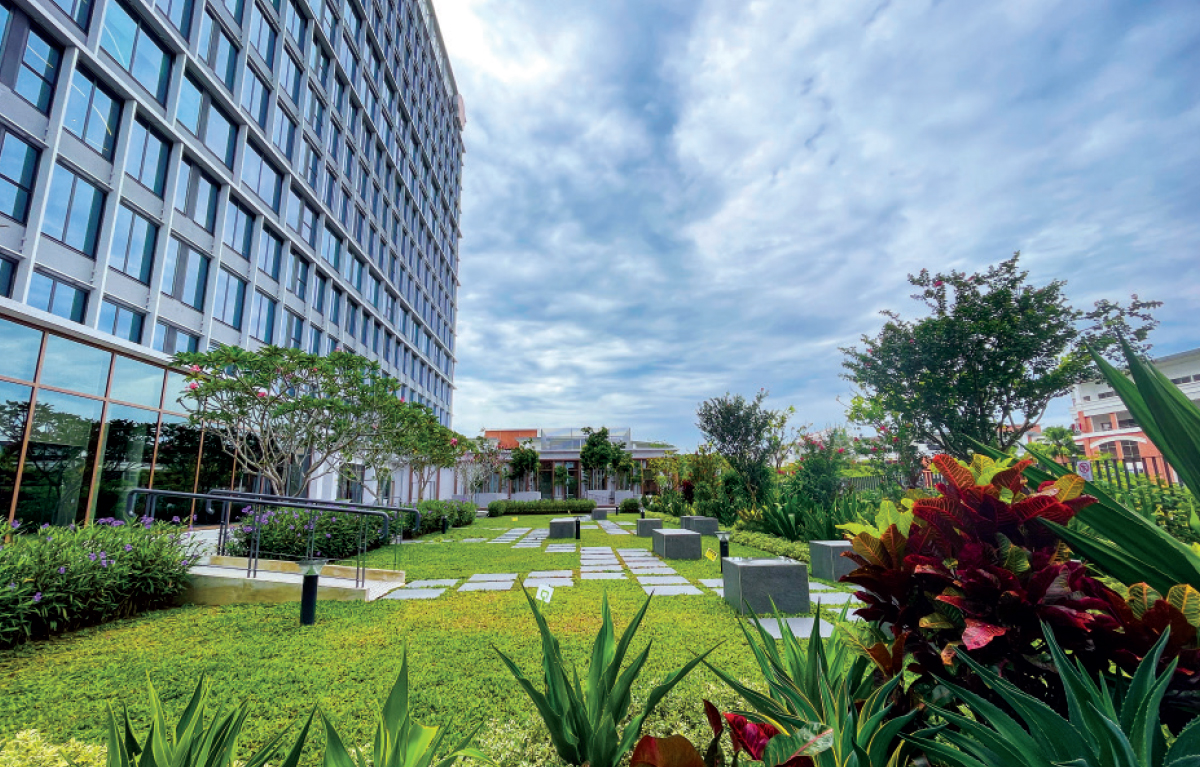
Originally, the facilities podium was designed with a swimming pool and outdoor seating. In order to maximise practicality and building function, the swimming pool was converted into a landscape area and the balancing tank was repurposed as a rainwater harvesting tank for landscape irrigation.
Also, the existing service lift was redesigned with a dual entrance to fulfil the occupancy’s traffic and operation standards. Liew says this approach helps to optimise the space utilisation for both passenger use and servicing functions as well as conserves space in the service shaft.
One of the biggest challenges the team had was that compared with conventional office spaces, the building had a lower headroom because it was originally built for serviced suites, he says.

“The floor-to-floor in a serviced suite development and the floor-to-floor for an office building is different. For offices, it needs to be higher because all the ducting and wiring need to be hidden in the ceiling. But we successfully overcame the challenge by offering huge parts of the ceiling as an open ceiling,” he adds.
As a green building, One Shell Square Miri has been fitted out with plenty of green and energy-saving features. These include double-glazed windows with low-emissivity (Low-E) coating, which allows natural light to enter while reflecting heat and reducing cooling demands; rooftop solar panel system that is projected to produce 87,885.79 kWh annually; smart lighting that has occupancy sensing; daylight harvesting and task tuning; rainwater harvesting tank to supply water for irrigation and an auto condenser tube cleaning system that cuts labour costs, optimises cleaning frequency with minimal water and improves air conditioning efficiency, resulting in lower energy consumption and a reduced carbon footprint.
A large number of green features require a huge amount of effort to ensure they serve their purpose in the long run. Liew says the developer foresaw this during the design stage and decided to add more passive design features.
“Because we incorporated plenty of passive design features, they will last longer and there will be fewer things to maintain. Until now, all the watering for the plants, we have never used potable water. The water that we use to water our plants is all from the rainwater that we harvested from the building, so that saves quite a fair bit of water. Monetary-wise, of course, water is not so expensive in Malaysia. But I think it is very important that we save whatever we can save.”
He adds that inside the building, designated areas for indoor plants are strategically incorporated throughout the interior. “These green spaces serve a dual purpose — they elevate the visual environment and reinforce a bond with nature. This connection has been scientifically proven to enhance occupant well-being and boost productivity.”
Setting a high benchmark
Lau says One Shell Square Miri is one of only four upstream Shell headquarters worldwide. “Because of that, it would definitely have high standards. We’re talking about international standards of a green building. So this building is a project that reflects our long-term vision for sustainable architecture.
“We don’t look at sustainability as some sort of requirement but rather things that are practical and pragmatic. Just like what we did with Desa ParkCity, where we planted all those trees many years ago because we knew they would help bring down the temperature.
“So when it comes to sustainability, that’s how we look at it, as nature positive — nature-driven rather than carbon trading or greenwashing stuff. We look at what’s more holistic that all of us as a company can embark on.”
As for the developer’s upcoming plans for Marina ParkCity, Lau says it will be taking things slow as the market in Miri is still relatively small.
“The remaining land is fairly valuable and we will take our time to determine which is the best product for the market according to how the city will grow. There are always plans for whether it is retail or commercial. A lot of these business activities, it really depends on where the state drives these things. So in the years to come, we’ll launch commercial projects. But everything is still in the planning stage.”
For now, the developer will focus on completing the retail lots at Miri Times Square before embarking on new projects in Marina ParkCity.
“We have not set a timeline to develop the entire master plan because Miri is such a small market. It’s smaller than Petaling Jaya. So we have to pace according to demand, supply, market situation, what’s needed and so forth. But of course, with some of the businesses coming back like Shell, we believe there will be more business activity and more people coming in from other areas,” says Lau.
Save by subscribing to us for your print and/or digital copy.
P/S: The Edge is also available on Apple's App Store and Android's Google Play.