

This article first appeared in The Edge Malaysia Weekly on November 25, 2024 - December 1, 2024
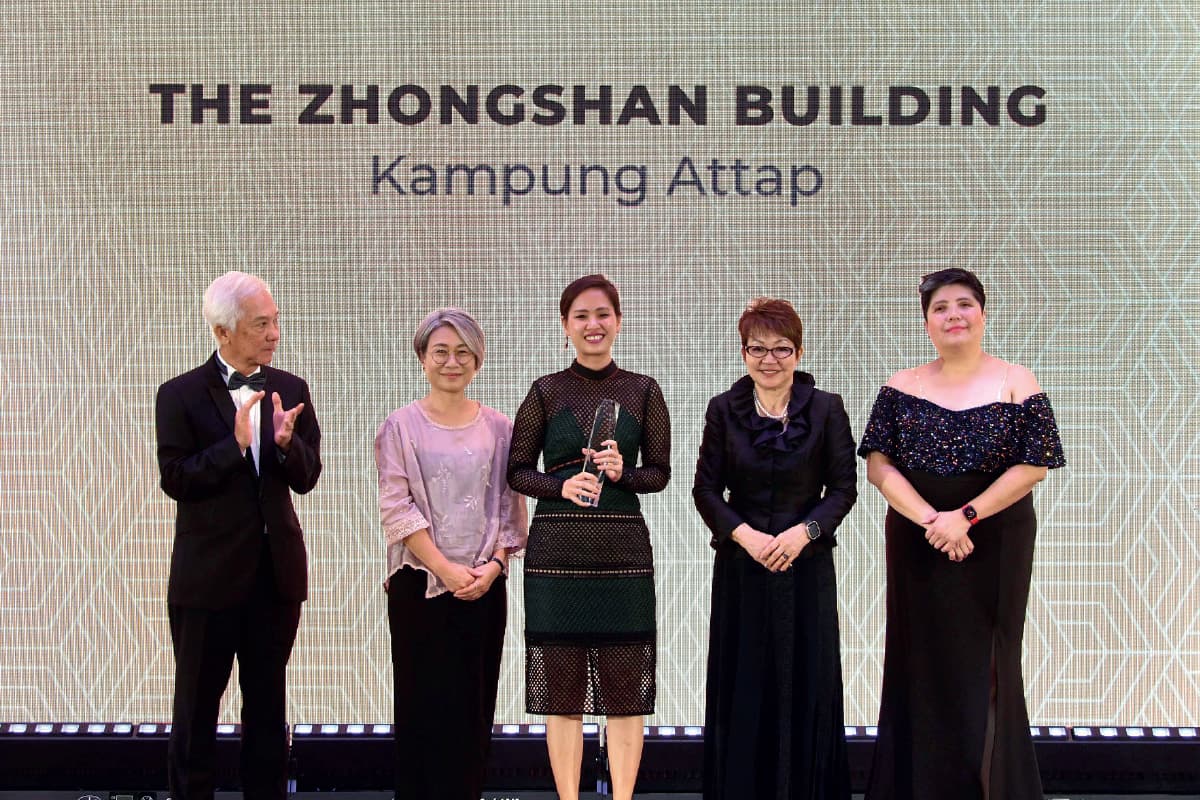
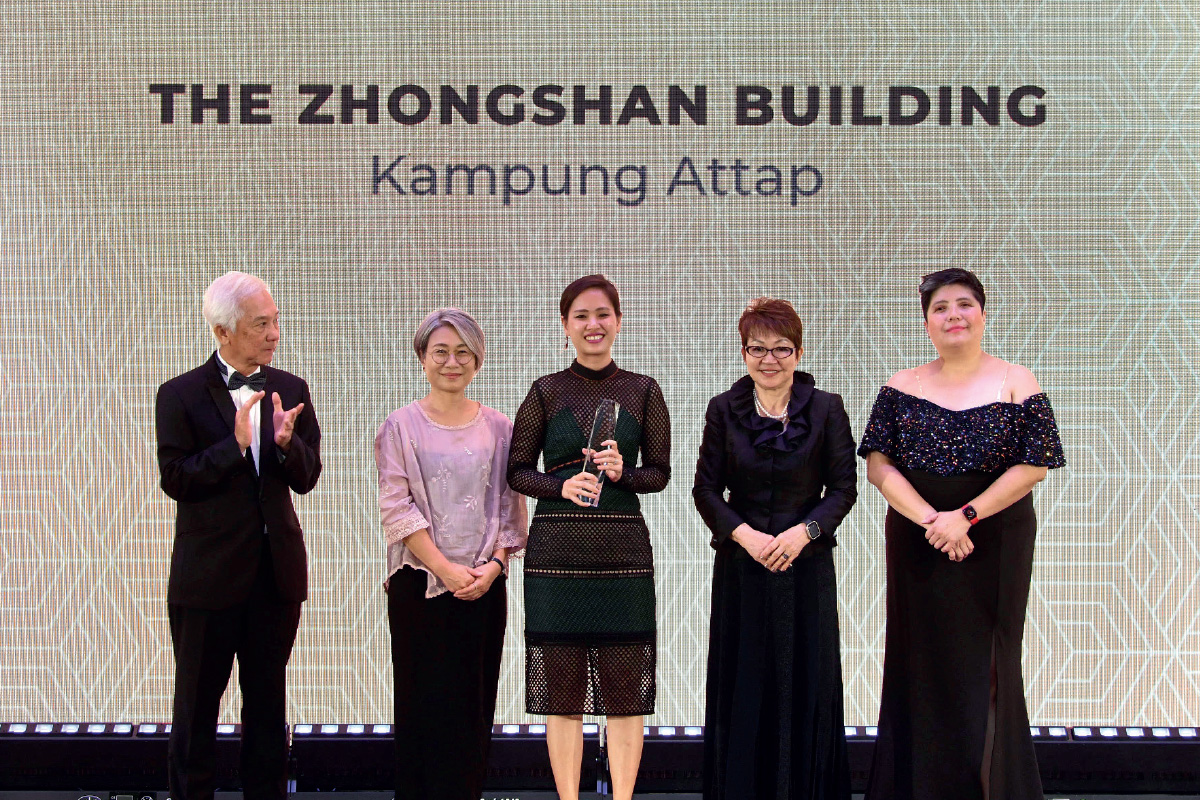
WINNER | The Zhongshan Building
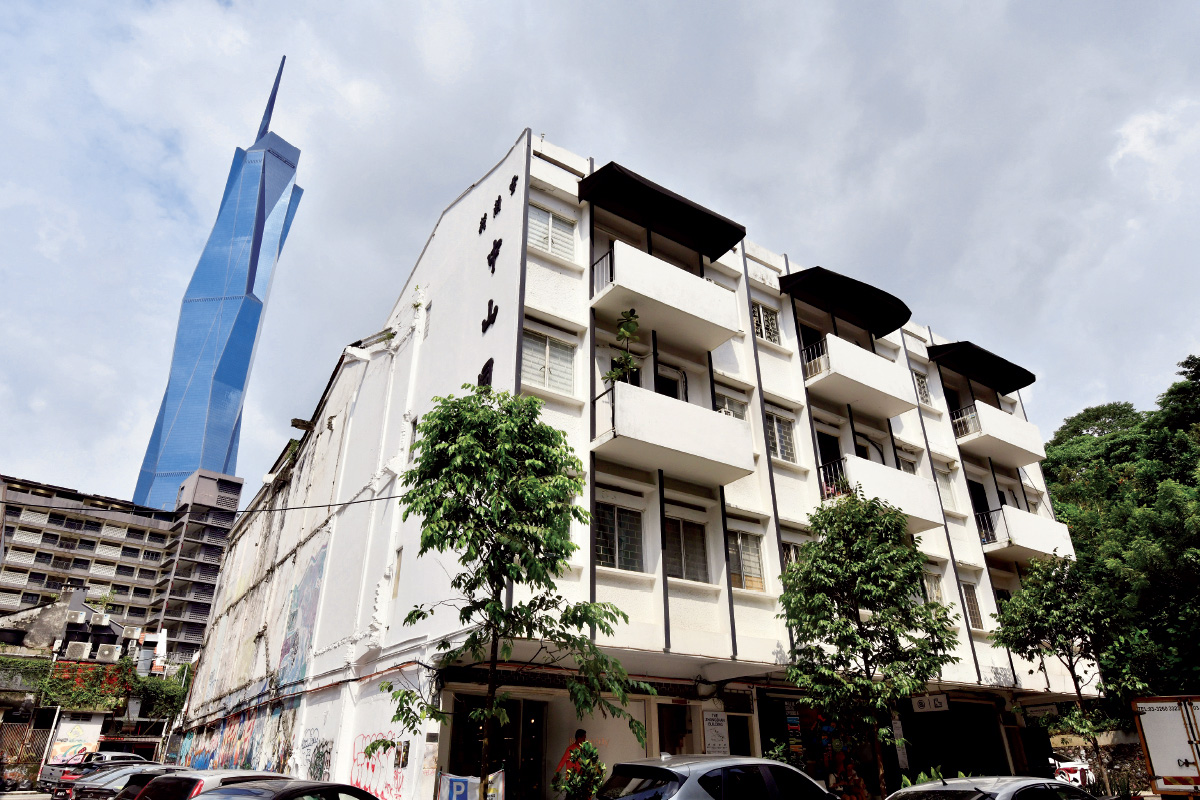
Standing at the end of Jalan Rotan in Kampung Attap in Kuala Lumpur is The Zhongshan Building, a restored four-storey whitewashed 1950s structure that has become a creative haven for the arts community.
In its past life, the building housed a variety of occupants and tenants, from a butchery to the Selangor Zhongshan Association before it relocated as well as small businesses and homes for a few families. Over time, businesses were either shuttered or relocated and the families moved out to other growing residential areas. Subsequently, the building became a hostel for foreign workers and they, too, moved out eventually.
Later, the mother of Rob Tan (co-founder and owner of The Zhongshan Building) inherited the building from Tan’s grandmother, but she had no clue what to do with it. Then, Tan and his wife, Liza Ho (co-founder of The Zhongshan Building), stepped in with a plan to reclaim the space and give it a new lease of life.
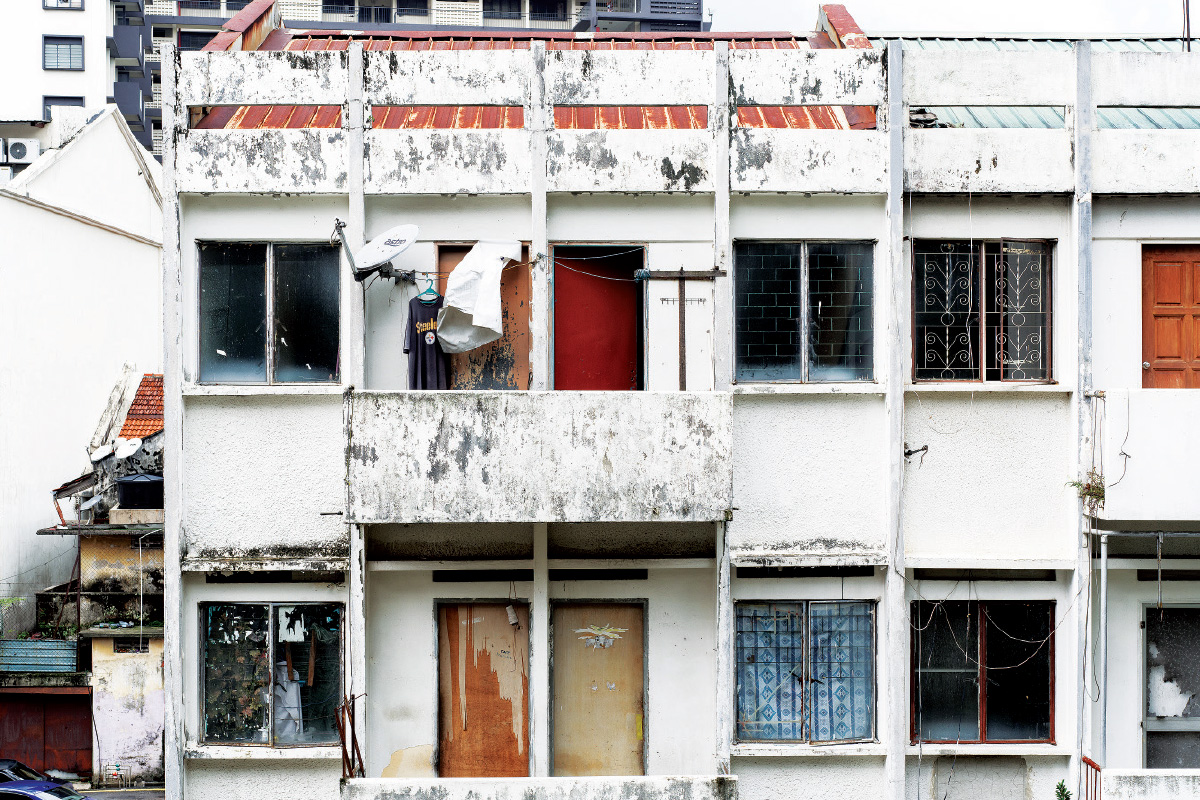
“My husband and I started thinking about what to do with it. We gathered some of our friends and shared different ideas. While doing that, we also started restoring the building before moving on to the content of the building [because it was already in a dilapidated state]. That was how we approached this,” Ho says.
The renovation work started in 2016 and was completed a year later. Major renovations included opening up the courtyard and redoing the piping.
“There was [a courtyard] in the middle of the building, but the first two floors were covered for the [butchery] cold room. We had to open it up and reinforce some of the foundations. The piping needed to be reworked, too, because it had been done wrongly,” says Ho.
A year later, the project was completed, with the once-neglected building restored to its original condition. As you step inside the building, which has an unassuming design with architectural elements of the 1950s, your curiosity will be immediately sparked by the maze-like narrow corridors that lead to an assortment of retail outlets that are not your typical commercial shops.
For the efforts in preserving architectural authenticity while successfully repurposing its original usage, The Zhongshan Building is the recipient of The Edge Malaysia Excellence in Conservation and Adaptive Reuse Award 2024. This award recognises the best conservation and adaptive reuse projects that have preserved their heritage and history and reintroduced them to a new generation.
Shaping a creative hub
Ho recalls receiving many suggestions during the renovation period on the kind of content that could be incorporated into the building. There were inquiries to set up a KTV, coworking space and even a brothel, which was turned down.
“We also decided to forgo the coworking space as it would have meant having to change the building’s structure and open up some of the space, as the coworking space needs a more open layout,” she says.
Some engineers and architects advised them to redevelop the building and maximise its floor plan, but the duo was adamant about retaining the building as is.
“We did not want to make [any drastic] changes because of the emotional attachment that my husband has towards the building. We just wanted to restore it to its original structure. We didn’t want to do a lot of alterations, as we didn’t want to shake the building too much.”
With her experience in managing art galleries, Ho eventually set up one on the ground floor — called OUR ArtProjects — with Snow Ng, a founding member of The Zhongshan building who is no longer involved in the project.
In January 2017, the art gallery was ready to showcase its first exhibition and The Zhongshan Building was opened to the public.
Since the opening, the founders have been receiving inquiries from members of the arts community looking for vacant space for their studio or shops at The Zhongshan Building.
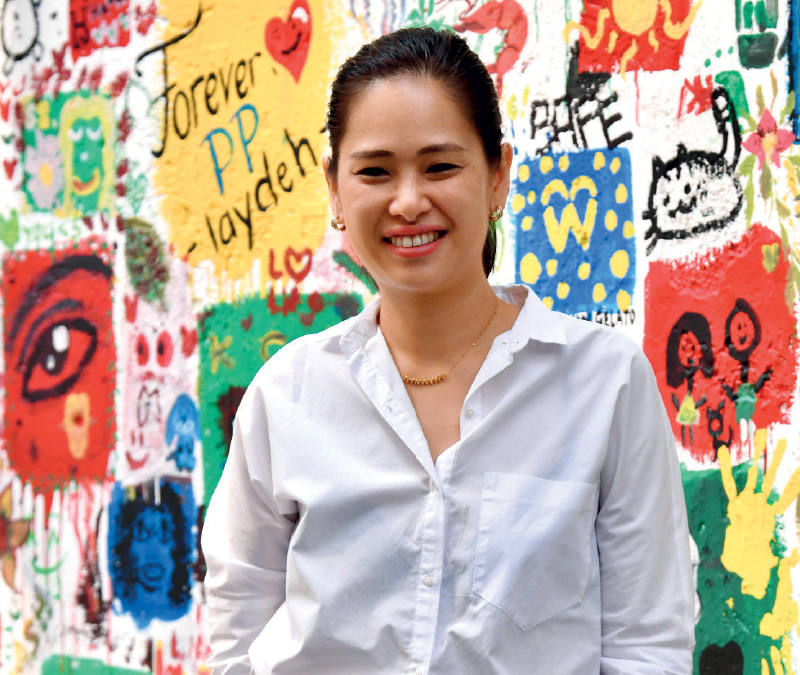
“People from different parts of the art scene started to inquire about available space in the building. Most of them needed space in Kuala Lumpur, but rents in the city are expensive. So, Zhongshan was a good option for them, as the rent was [affordable],” says Ho.
“They wanted to still be in the city; The Zhongshan Building is located in a quieter area and near the busy parts of Kuala Lumpur.”
Platform for independent artists to experiment
Independent brands started coming in with a variety of offerings such as bookstores, crafts shops as well as food and beverage stores. Artists set up their private art studios there, too. Some of the earliest tenants in The Zhongshan Building were the Tandang Records Store, Malaysia Design Archive, Rumah Attap Library & Collective, Tommy Le Baker and Piu Piu Piu café.


The setting up of the art gallery has certainly piqued the art community’s interest and organically moulded The Zhongshan Building into a sanctuary for the creative community.
“We used to hang out at [an art gallery] in Central Market. I could spend the whole afternoon there just meeting random people and talking about art,” says Ho.
After the art gallery was closed for renovation, the art community had nowhere to go, she says. “There was a gap for us [creatives], as we did not know where to hang out and I thought Kuala Lumpur was lacking a space [for the art community]. It felt like a necessity for us to put together a space that could bring people from different parts of the art scene to come together.”
While the art community at The Zhongshan Building grew, OUR ArtProjects did not. In 2019, the gallery was permanently closed and Ho then set up a smaller gallery called The BackRoom KL on the top floor. The vacant space left by OUR ArtProjects is now occupied by a bespoke stationery store called ana tomy.
The restoration of The Zhongshan Building is more than just an adaptive reuse project; it has become a platform for independent artists and brands to experiment with their ideas and grow.
Over the years, tenants have come and gone, but The Zhongshan Building has continued to welcome up-and-coming artists or independent brands under its roof.
Asked what the building means to Ho and the art community at The Zhongshan Building, she says: “It is a safe space where they can share their ideas, to be who they want to be, and where they can experiment with what they want.”
Ho says the constant flow of inquiries led them to expand to accommodate the growing number of tenants. A year before the pandemic, the duo rented a two-storey shophouse across from the building and called it The Zhongshan Building Annexe. The tenants are Kantata, Studio Squat, takos, Valenlim Studio and Poppy Records store. Today, both buildings house a total of 30 tenants.
Kampung Attap comes alive
When word began to spread about The Zhongshan Building, the number of visitors increased. Despite the growing popularity, Ho says, Kampung Attap has not been receiving many local visitors. “We have many international tourists visiting us [every day] but the locals come mostly on weekends.”
She says a main challenge faced by the locals who want to visit the area is accessibility. The Maharajalela monorail station is just five minutes away, but those who are not familiar with the area do not know the most efficient route to get to Kampung Attap by foot from the station. Ultimately, many ended up driving or taking e-hailing rides or not going there at all.
Ho markets The Zhongshan Building and Kampung Attap by organising community events, including the art and community festival Peszta, which is named for it three main venues — Pentago, Sam Mansion Flat and The Zhongshan Building. The one-day event is held between Merdeka Day (Aug 31) and Malaysia Day (Sept 16) and offers bazaars and activities such as concerts, performances, talks and workshops in multiple venues in Kampung Attap.


“Peszta showcases what we have in Kampung Attap so that people can get to know the place and that we are right next to Chinatown.”
The conception of Peszta in 2022 was serendipitous. “We had applied for the Merdeka 118 Community Grant Programme with PNB Merdeka Ventures to host an open-studio session and open up the building to the public,” Ho says.
Coincidentally, boutique design consultancy Pentago House, a neighbour from across the street, had applied for the same grant to host workshops and talks at its office.
PNB suggested that they collaborate and hold an even bigger event. Both parties then invited Yayasan Lim Yee Hoh, whose office is located at the low-cost Sam Mansion Flat, to collaborate, resulting in the birth of the festival. Yayasan Lim Yee Hoh is a foundation that offers art-related bursaries and scholarships to underprivileged students.
The festival has since expanded to include more venues such as the Kuala Lumpur and Selangor Chinese Assembly Hall, House of Art Residence, Sri Midas Corner, Regalpark Hotel, Triptyk and Pusat Kesenian DBKL.
Reuse with purpose
As the adaptive reuse movement continues to grow in the Klang Valley and across the country, Ho says it is essential to consider the end-user before restoring a building.
“We need to think about who is going to use the space. If you have an old building, please think carefully about what you want to do with it and whether it serves your own purpose or that of the end-users.”
She adds that while looking for ideas to improve older buildings or construct new ones in Kuala Lumpur, it is ideal to learn from neighbouring countries that share similar characteristics.
“We tend to visualise what Kuala Lumpur needs by looking at other countries that are not like us. We should be looking for ideas from our neighbours whose history, culture, economy and climate similar to ours.”
Save by subscribing to us for your print and/or digital copy.
P/S: The Edge is also available on Apple's App Store and Android's Google Play.