

This article first appeared in Forum, The Edge Malaysia Weekly on November 4, 2024 - November 10, 2024
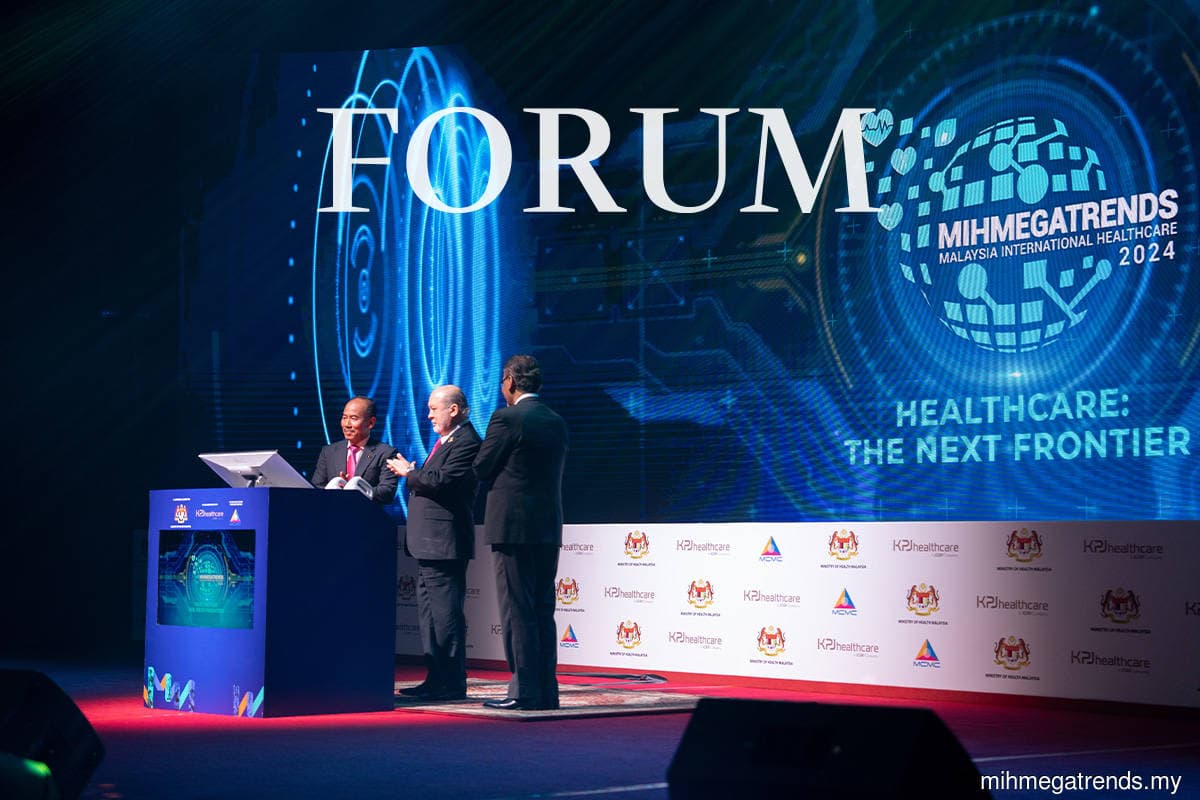
The historic Malaysia International Healthcare Megatrends 2024 conference set the stage for distinguished speakers, thought leaders, practitioners and innovators from both Malaysia and around the world to gather in a vibrant confluence of ideas and innovations.
As we find ourselves on the cusp of a remarkable transformation in healthcare that holds the promise of a healthier future for all, this public-private partnership between the Ministry of Health (MoH), KPJ Healthcare Bhd (KL:KPJ) and the Malaysian Communications and Multimedia Commission exemplifies the kind of collaboration we need.
Such public-private partnerships advance our healthcare system by increasing innovation, addressing care gaps and creating a more sustainable, robust and resilient system. By leveraging the strengths of both the public and private sectors, we are better able to serve and benefit the broader population.
As we navigate the complexities of the 21st century, we are observing unprecedented changes in our world, brought about by rapid advancements in technology, evolving patient expectations and the ongoing impact of global challenges such as the pandemics of communicable diseases and now non-communicable diseases (NCDs) and the scourge of climate change.
These megatrends are reshaping the healthcare landscape and not just altering how we deliver care but redefining what it means to be healthy and how we can together achieve well-being as a nation.
At the heart of this transformation lies technology. From artificial intelligence (AI) and big data to telemedicine and wearable health devices, technology is revolutionising our approach to patient care.
We are already witnessing a world where predictive analytics can foresee health issues before they arise and where AI-driven insights, big data and genomic medicine can now personalise treatment plans for each individual.
This will transform patient care and population health management. The next frontier will not only require us to embrace new tools but also to cultivate a mindset of continuous learning and adaptation.
As we navigate this landscape, we must ask ourselves: How do we harness these advancements responsibly and equitably?
As health practitioners and critical stakeholders of the healthcare ecosystem, it is our duty to ensure that these technologies serve humanity rather than dictate its course. We must always advocate for bioethical gold standards and prioritise patient privacy and confidentiality.
Another significant aspect of the future of healthcare is a shift towards preventative care boosted by precision public health. Traditionally, our focus has been reactive and curative — treating diseases after they manifest.
However, as we look ahead, there is a growing recognition that prevention is key to improving health outcomes and reducing costs. The future of healthcare is that it’s health first, then care! This stands in stark contrast to the “sick care” paradigm.
The recent Health White Paper and the National Agenda for a Healthy Malaysia (ANMS) are pivotal initiatives aimed at creating environments that promote wellness and healthy lifestyles. Education and health literacy, community engagement and accessible resources will be essential in empowering individuals to take charge of their health. As a tangible example, we plan to introduce a simple front-of-pack nutrition labelling system to enable individuals to make healthier choices.
As we forge ahead, we must now embrace the concept of patient-centred care. Today’s patients are more informed and empowered than ever before. They seek not only treatment but also a partnership in their health journey.
The future of healthcare lies in fostering these partnerships, where patients are active participants in their care, in line with ANMS. This requires a cultural shift within our healthcare systems. We must listen to patients’ voices, understand their needs and tailor our services accordingly. By prioritising empathy and communication, we can build trust and improve health outcomes.
Our digital health transformation must serve our primary objective of patient centricity and a sustainable digital health ecosystem must lead towards achieving “One Citizen One Record from Womb to Tomb”.
As we envision the future, we cannot ignore the global context. Health disparities persist, both within and between nations. The next frontier in healthcare will be defined by our ability to address these inequities.
As health practitioners, we have a unique responsibility to advocate for policies and practices that promote health equity. The recent Covid-19 pandemic raised the ugly spectre of yawning health inequities that must be addressed sustainably and concertedly on a global scale. The lessons learnt from global health challenges must guide our efforts.
Collaboration across borders will be crucial. By sharing knowledge, resources and best practices, we can strengthen health systems worldwide. The International Health Regulations and the Intergovernmental Negotiating Body at the World Health Organization are international regulations and tools to address these disparities and inequities adequately.
Sustainable health financing is the key enabler for many of these transformations. At MoH, our priority is to increase financing without unnecessarily burdening the rakyat while protecting equitable access for the bottom 40% income group (B40) by focusing more public financing on these groups. We have been developing a two-pronged strategy to modernise our health financing system by building on the strengths of the existing health system.
The first is to creatively diversify our financing sources by identifying win-win innovations to nudge those who have the means to contribute more towards healthcare options, thus freeing up precious public financing which can now be focused on the B40 income group.
We are working together with the industry and with various government agencies to boost the life course coverage of private health insurance and to improve these products by leveraging value-based healthcare. The latter is increasingly an imperative, given our ageing context, the high prevalence of NCDs, technological improvements, rising expectations and the imperative that we bend the healthcare cost curve to prevent runaway medical price inflation.
Rakan KKM, which is a voluntary partnership for patients seeking a “premium economy” experience with high clinical quality and value, will soon be launched at our MoH hospitals. This initiative improves the retention of our doctors and nurses and, importantly, creates revenue that will be used to expand capacity and improve care for all patients who use our MoH hospitals.
Secondly, we are proposing the establishment of a National Health Fund which would pool together various public financing sources for health into a well-governed entity. This entity will leverage strategic purchasing to deliver value from both public and private health facilities to improve the health of our rakyat by prioritising new models of integrated care that prioritise the prevention of diseases and the reduction in costly and debilitating complications of diseases.
Finally, we must consider the ecological sustainability of our health systems. Climate change poses a significant threat to public health and our response must be proactive and integrated.
The MoH is determined to advocate for sustainable practices within the healthcare system, reflecting the ethos of the Madani government. This includes addressing the social determinants of health, reducing waste and promoting green technologies towards protecting environmental, social and personal health in the future.
As we stand at this pivotal moment in healthcare, we all need to reflect on our respective roles in shaping the future. The next frontier is not just about technological advancements or innovative treatments; rather, it is about a collective commitment to a healthier, more equitable and more sustainable world.
Let us embrace this journey together — collaborating, innovating and advocating for a future where health is a fundamental right for all. Together, we can navigate the megatrends of health and create a brighter and a healthier tomorrow.
Datuk Seri Dr Dzulkefly Ahmad is the Minister of Health
Save by subscribing to us for your print and/or digital copy.
P/S: The Edge is also available on Apple's App Store and Android's Google Play.