

This article first appeared in Digital Edge, The Edge Malaysia Weekly on October 14, 2024 - October 20, 2024
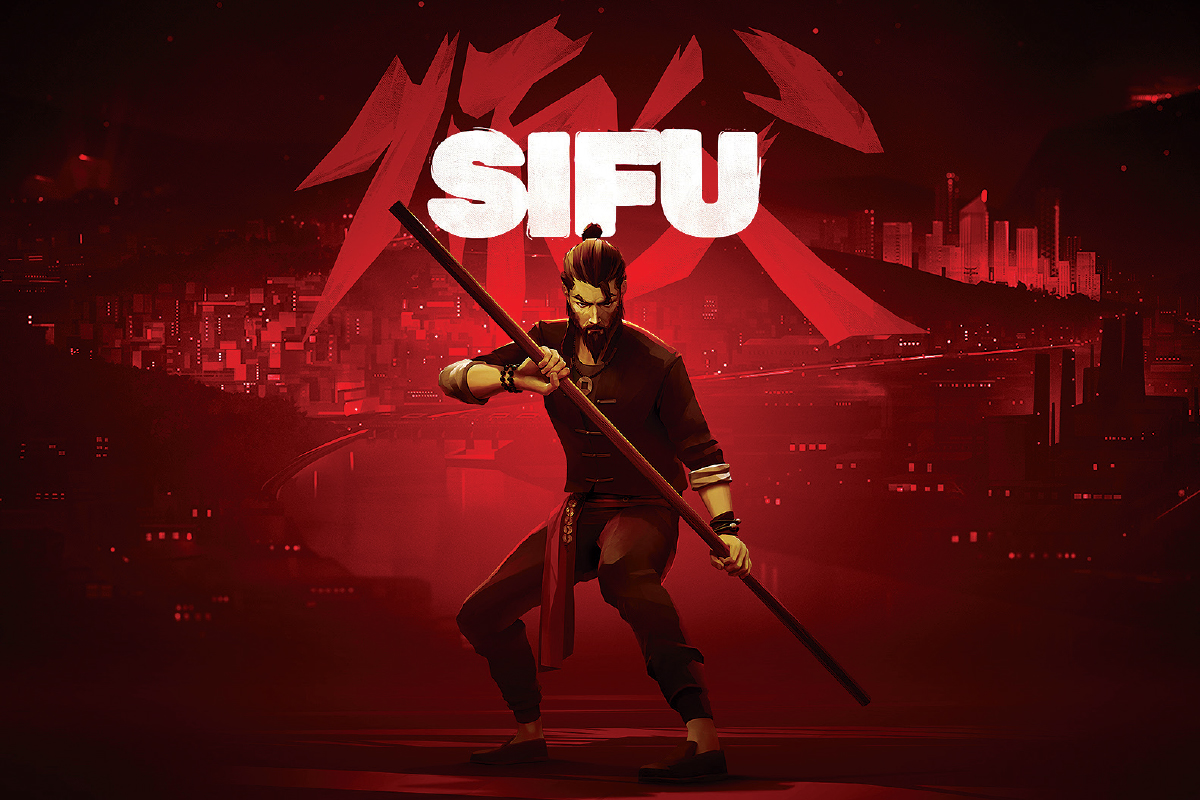
Parisian independent game studio Sloclap’s Sifu is a love letter to Eastern martial arts films past and present, mixed together with classic arcade action games like Streets of Rage or Final Fight. From Bruce Lee films to Ip Man, Sifu gives the same adrenaline rush those action scenes bring with you as the driver, making you the director of every fight.
Even the story echoes the nostalgic themes of those films, following an unnamed kung fu practitioner on a quest for vengeance, the last survivor of an attack on their dojo by its once greatest student and his accomplices.
The game covers five levels, each going through unique environments including a drug lab, a nightclub and an art museum, wearing its inspiration on its sleeve as the game throws many visual references to famous movies, like this one section early on that recreates the iconic corridor fight from the film Oldboy.
In each level, players go from room to room fighting many battles, varying from one-on-one duels to 10 or more enemies, ending with an epic clash with the level’s boss.
The player can choose between playing as a boy or girl. Once the choice is made, you can only change it by starting a new save file. The game has three difficulty levels and while you can lower the difficulty level anytime, you have to start a new file to raise it. This is because Sifu is not an easy game.
True to its martial arts inspiration, the game requires a lot of focus and practice to be successful. Light and heavy attacks can be woven seamlessly into various combinations. Even without upgrades, you start with a generous move set that is sufficient to overcome enemy numbers and defences.
Players are also able to pick and use a variety of weapons, from baseball bats and bo staff to even bricks and glass bottles that all break after a while, keeping their fists as the main weapon.

On the defensive side, players can dodge every attack with precise timing and input, as well as a guard that can block most attacks. This is tied to a structure gauge which fills when either being hit or blocking attacks and empties when attacking or dodging. A full bar breaks structure, leaving you stunned and wide open.
Enemies also have structure gauges, even bosses; once filled, the player can perform a finisher that instantly incapacitates them, encouraging a balance of aggressive and cautious play.
The game does not expect players to grasp this immediately; in fact, the game expects failure and defeat. This is where the game’s most interesting gimmick comes in: how it handles death.
The protagonist carries a coin talisman that, upon death, revives them on the spot at the cost of one year of their life.
Starting at 20 years old, every death ages the player a year. Every few years their appearance changes, which increases their strength, reflecting their experience, while health and structure reduce due to age, maxing out at 80 years old.
Either upon death or between levels, players can learn new skills to use in combat. The age at which a player ends the level will also be their starting age for the next, unless they choose to replay a previous level to try to finish it at a younger age.
In my first playthrough, I got to the final level at age 70, giving me only 10 tries. In the end, I realised it was not enough and replayed previous levels. With my better understanding of the game, I was able to reach the final level again at age 40.
Replaying levels is further encouraged through collectables, as keys to certain doors may only be found in a future level. For example, finding a key in level two unlocks a shortcut in level one that skips most of the level, making it easier to finish it at a younger age.
These collectables, recorded on a detective board, also carry hints to the larger story of the game, which touches on the concept of Wude or “martial morality” — an ethical system taught in Chinese martial arts — leading to a more complex narrative and hints on how to get the game’s different endings.
Sifu’s combat is cinematic and addictive; its difficulty and death system challenge players to get up and get better. While it is short and lacks some variety, it accomplishes what it sets out to do with flying colours and does not overstay its welcome.
Sifu is available on PC, Steam, Playstation 4/5, Xbox One, Xbox Series S/X and Nintendo Switch.
Save by subscribing to us for your print and/or digital copy.
P/S: The Edge is also available on Apple's App Store and Android's Google Play.