

This article first appeared in The Edge Malaysia Weekly on July 15, 2024 - July 21, 2024
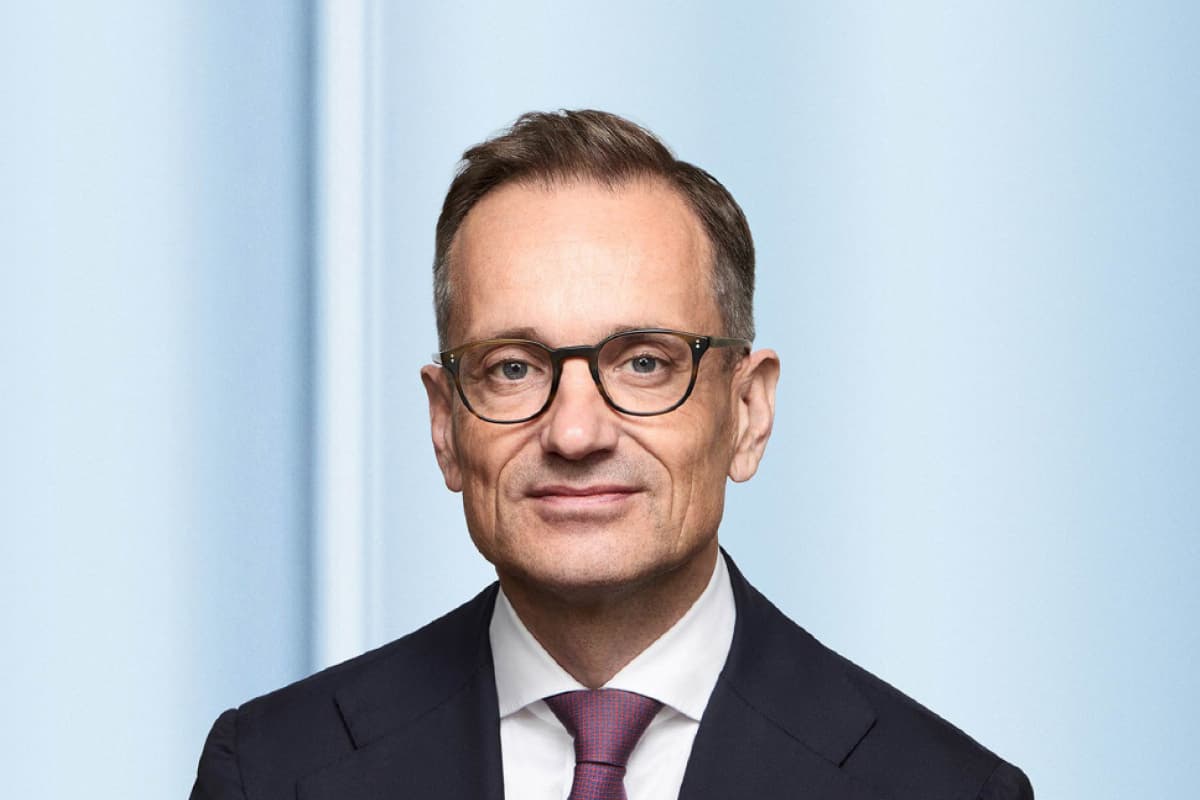
Insurers have a role to play in mitigating and adapting to climate change, both in their underwriting and investing activities. ESG spoke to Stephan van Vliet, group chief investment officer (CIO) of Zurich Insurance Group, when he was in Kuala Lumpur to get his thoughts on this topic. The interview has been edited for brevity.
ESG: What are the biggest drivers for Zurich to act on climate change?
Stephan van Vliet: As a global firm, we have a special responsibility and desire to be there for our clients on their net-zero journey.
We are approaching the end of a five-year responsible investing cycle now, and we are going into the new cycle, [ending in] 2030, to make sure we can live up to our commitments as a multinational [company] that delivers its part.
We started with direct emissions reduction in 2007 and committed to achieving net-zero emissions in our own operations by 2030. This includes our buildings and travel. In 2012, we started our responsible investment journey. We were one of the founding members of the Net Zero Asset Owner Alliance, which defines the methodologies with which we are measured [to achieve net-zero emissions].
In Malaysia, some of our investments have a higher carbon footprint because of the local industries. Zurich has committed to its investment portfolio becoming net zero in 2050.
We will engage [the portfolio companies] on the journey. That helps to reduce emissions because what we saw in the last cycle was that half of the emissions reduction came from companies improving [their practices], and half came from active portfolio changes, such as investing in [companies that are less] emissions-intensive.
In the next cycle, the mix might be slightly different, as emissions reduction will become more difficult for companies.
I think investments also have the responsibility to scale technology. That’s why we have a target for climate solutions investing, particularly impact investing.
Then, we have the underwriting part of our business. In commercial underwriting, the big debate is what do we still insure. We are constantly updating our underwriting position in line with changes in the real world.
When it comes to fossil fuels, our goal is to work with customers to help them align with the International Energy Agency’s net-zero 2050 scenario. That means no exploration of new oil resources, other than those in fields already approved for development.
You can see that insurance costs have gone up tremendously around the world, and we need to make sure that everything stays insurable in a warmer world. So, we have to work with our clients to make their homes and businesses more resilient to climate change. Zurich has a team of risk engineers to help corporations reduce their physical risk exposures related to climate change. Clients can also do it with their homes, so there’s less damage when trees fall [for instance, or they can decide] where they build their homes, which can lead to lower insurance premiums.
Insurers have a long investment horizon, which means you must consider climate change-related risks that tend to emerge over longer time periods. Has your job as the CIO become more difficult?
You have a new dimension of decision-making, which is basically where a company is on the transition and what its emissions are. We need to have those data points but it’s not always available. Then we need to make assumptions for the sector. [The lack of data] on private assets is also a limitation. You need to make sure you [calculate] the risk-adjusted returns too.
So, we’re investing now in teams that do climate risk modelling and understand where, geographically, climate risks will be more impactful. Lots of big cities in deltas [for instance], where if you continue to invest in infrastructure or real estate, will be affected [by flooding]. These need to be embedded in our regular processes.
Zurich Malaysia introduced the climate neutral investment-linked fund — the Zurich Global Green Fund — last year. Can you elaborate?
The whole premise of our global carbon neutral fund is that we’re investing in companies that are on the transition, much like Zurich is on the transition to a 1.5°C [pathway] by 2030. We’ve been invested in companies on that transition slope. [The fund has] benefited, certainly, in terms of sector exposure to technology. But we still have energy companies that have not fallen foul of our exclusion [list].
On the insurance business side, there are a lot of engagements that we’re having with power producers on their energy mix and how they are transitioning to more renewable energy. It’s not as though you can flick a switch and all of a sudden, [they are green]. There’s a lead time, and we have a responsibility as investors to hold these companies accountable and encourage them that this is the trajectory that we need them to be on.
What are your future plans?
Zurich has an ambition to be known as a leader in the insurance sector and deliver on the promise to bring direct and indirect emissions — through underwriting and investments — to net zero by 2050 and stay on that path.
How we are measuring that path will still need a lot of work because we need to also measure all the paths of the companies that we invest in. Everything related to science-based targets for the industry is something we need to work on collectively. You’ll find that we’ll be defining more of what is our own journey and how we will help our clients in different markets in the world to get there.
We expect growing demand for Zurich Resilient Solutions, where we deliver insights and tools to support our clients with solutions to address traditional and evolving risks, such as climate and cyber risks. We will [also] offer a wide range of investment products for clients to make informed decisions.
Save by subscribing to us for your print and/or digital copy.
P/S: The Edge is also available on Apple's App Store and Android's Google Play.