

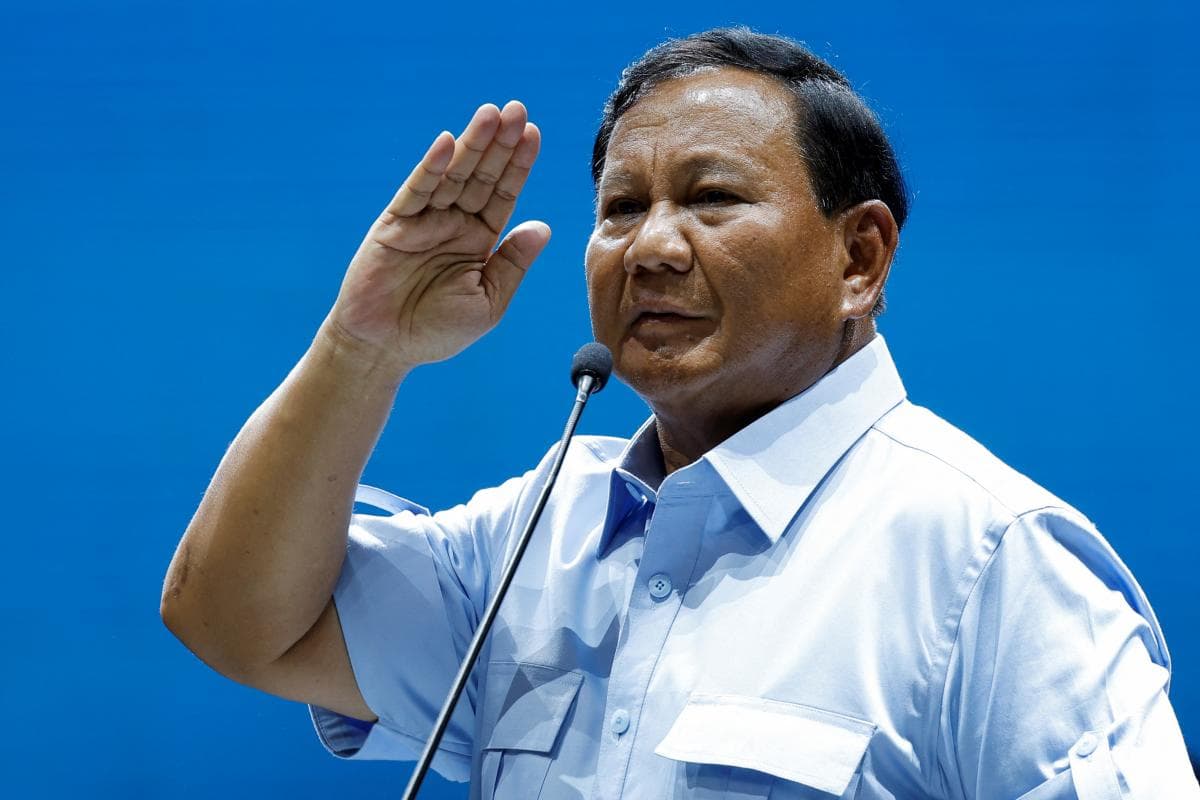
THE appointment of Prabowo Subianto as the new president of the Republic of Indonesia has the potential to enhance bilateral relations between Malaysia and Indonesia. The relationship between the two countries is already built on a strong foundation, with mutual interests in strengthening cooperation. Prabowo’s interactions with Malaysian counterparts, including his visit to Malaysia and meetings with officials, have highlighted the importance of defence ties and the potential for collaboration in various areas, such as security, economic development and social cooperation.
In the present day, Malaysia and Indonesia, bound by the kinship of the Rumpun Melayu, or Malay Archipelago, share not only a common heritage but also the pressing challenge of environmental preservation amid rapid development.
As two nations navigating the delicate balance between economic growth and ecological sustainability, the concept of Rumpun Nusantara offers a unique cultural bridge for deepening ties through environmental diplomacy. This initiative aims to leverage shared cultural narratives and values in the battle against climate change, biodiversity loss, deforestation and marine degradation, championing a unified approach to sustainability that could serve as a model for the region and beyond.
The Malay Archipelago, a term that historically encompasses the vast expanse of islands including Malaysia and Indonesia, is home to some of the world’s most biodiverse ecosystems, ranging from lush rainforests to vibrant coral reefs. However, these natural treasures face unprecedented threats from deforestation, pollution and the global climate crisis. In response, the Rumpun Nusantara concept, emphasising the intertwined destiny of these nations through shared linguistic, cultural and historical ties, presents a fertile ground for collaboration on environmental issues.
Leveraging cultural heritage for sustainability and resilience
The foundation of Rumpun Nusantara is the belief that shared cultural narratives and values can inspire a commitment to environmental stewardship. We have common cultural narratives and values related to the environment. The ethos of “gotong-royong” embodies the spirit of communal cooperation and respect for nature, manifesting in traditional practices of resource management, resilient architectural designs, and sustainable agricultural systems. The collective spirit of kinship is a testament to the importance of cultural values in environmental preservation, suggesting that Malaysia and Indonesia can utilise these shared values to spearhead the region’s sustainable development and resilience.
Our ways had ensured the sense of resilience and sustainability that is evident in the architectural designs that withstand environmental challenges, community preparedness practices, and agricultural systems adapted to local conditions. To illustrate, in the heart of Borneo, communities have successfully managed forest resources through traditional laws known as “adat”, which prohibit overexploitation. Similarly, in the coral triangle of Indonesia, the “sasi laut” tradition restricts fishing periods, allowing marine life to regenerate. These examples underscore the potential of traditional wisdom in contemporary environmental management.
Traditional practices, such as the sustainable use of forest resources, community-managed marine protected areas and agroforestry techniques, offer invaluable insights into living in harmony with nature. Celebrating these practices through joint cultural festivals, exhibitions and educational programmes can inspire a new generation of environmental stewards.
Strengthening collaborative policy and conservation efforts
Acknowledging that environmental challenges transcend national boundaries, Rumpun Nusantara advocates for cross-border collaborations that respect the shared ecological heritage. Through the lens of Rumpun Nusantara, Malaysia and Indonesia can forge stronger diplomatic ties, advocating for regional policies to promote sustainable development, biodiversity conservation and climate change. The environmental stewards of Rumpun Nusantara should strengthen advocacy, increase community engagement, and continue the long exchange of expertise between universities in preserving this shared heritage. At the same time, discussions between the two countries should include economic sectors most vulnerable by the impacts of climate change and environmental degradation.
The creative and cultural sectors for sustainability
The rich tapestry of Malay culture, with its vibrant arts, literature and traditions, provides a powerful platform for engaging the public in environmental issues. Collaborative Rumpun Nusantara initiatives between artists, filmmakers and writers from both countries can highlight the urgency of environmental challenges, while celebrating the region’s natural beauty and bring to life the stories of environmental challenges and successes, weaving the urgency of sustainability into the fabric of cultural expression.
Moreover, leveraging social media and digital platforms to share these cultural productions can amplify their impact, connecting young people across the archipelago and encouraging their participation in environmental advocacy. Through these creative collaborations, Malaysia and Indonesia can harness the power of cultural diplomacy to inspire a grassroots movement for sustainability, rooted in the shared identity of Rumpun Nusantara.
Promoting sustainability through education and exchange
Education and cultural exchange programmes focused on environmental sustainability can play a pivotal role in building long-term resilience to climate change. By incorporating traditional ecological knowledge and contemporary environmental science into the educational curricula, both countries can foster a deep-rooted appreciation for conservation. Exchange programmes for students, academics and professionals specialising in environmental studies, sustainable development and conservation can facilitate the sharing of knowledge, innovations and best practices, strengthening the capacity of both nations to address environmental challenges.
These exchanges also offer opportunities for developing joint research projects that address specific issues, such as biodiversity conservation, renewable energy and climate adaptation strategies. By grounding these initiatives in the shared cultural context of Rumpun Nusantara, Malaysia and Indonesia can bolster their collaborative efforts with a sense of common purpose and identity.
Prof Dr Maszlee Malik is the chairman of the International Institute of Advanced Islamic Studies (IAIS) Malaysia.