

This article first appeared in Digital Edge, The Edge Malaysia Weekly on April 22, 2024 - April 28, 2024
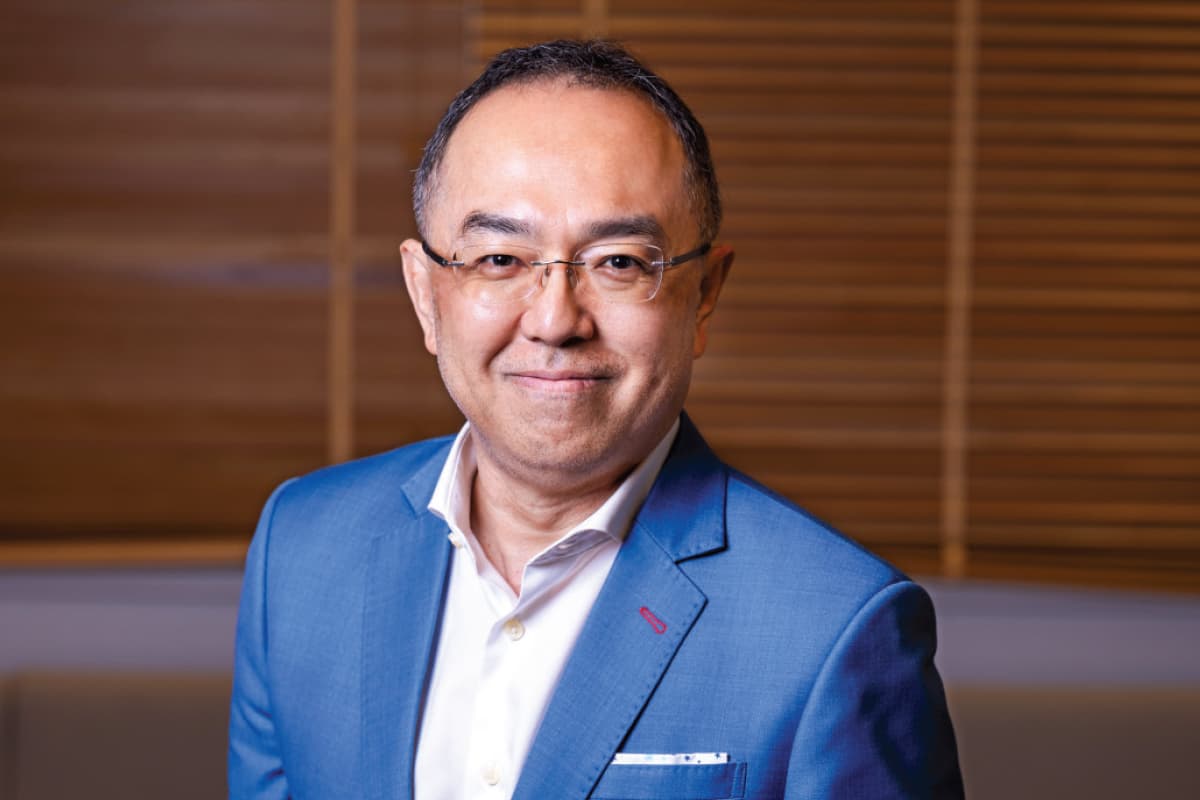
Employees are not motivated to perform mundane and repetitive tasks even though it is necessary for an organisation to operate, says Hew Wee Choong, head of the Asean team at Cyclone Robotics (Cyclone).
“Many companies are finding a lot of opportunities and growth now despite the challenging environment out there, and the question asked is, how do they expand? Do they hire more human talent and continue to increase [the number of talents] or are there better ways of doing it?” says Hew.
Automation can handle issues such as knowledge retention and whether talents stay or leave the organisation, he adds.
“Companies are beginning to demand more from their suppliers in terms of service level. When issues are raised with suppliers, they need to be able to address these issues faster than ever before, owing to the speed of IT expectations,” says Hew.
“Companies are using automation to help them track many of these issues.”
Cyclone is a robotic process automation (RPA) provider of digital transformation solutions and end-to-end software automation platforms. RPA can be used in sectors such as banking and finance, insurance, healthcare and manufacturing.
By using technologies such as artificial intelligence and data mining, Cyclone is able to perform tasks such as task capture and process mining. For ease of use, the company’s solutions support cross-platform operation and can be used on Windows, Linux and Android.
For instance, the Bank of Lizhou has worked with Cyclone to equip employees and its businesses with RPA technology to automate business processes, helping to eliminate repetitive rule-based tasks. For example, Neptunus Medical Device uses RPA to optimise medical resources, reduce medical costs and improve patient experience.
“Banks need to do a lot of tasks in terms of monitoring compliance to ensure companies [adhere to regulations]. All this can be automated, as it is a humongous task to follow all these rules and regulations,” says Hew.
Ultimately, he says, automation aids in maximising the use of human talent. “RPA allows for a more efficient and effective use of human talent. It is effective in the sense that you are using human talent for what they do best. Engagement with clients and creative work can be done by humans, rather than sitting behind a desk doing work that can be automated.”
In fact, RPA can also be seen as a digital or virtual employee, says Hew. This is because RPAs can mimic human behaviour, especially in repetitive tasks such as data entry. “All of this can be automated, not only because it is mundane but also because it is more efficient. When the bot does it, it is much faster than a human.”
He acknowledges, however, that RPA is not a magic bullet. Instead, he advises companies to first address the problems they are facing.
“Jargon is thrown at companies on a daily basis. This creates fear. Although Cyclone is a tech company, to us, it’s all about solving a business problem. Technology is an enabler.
“Our job is to work with companies and identify areas of possible digitalisation, including automation, and share the benefits of doing so,” he explains.
Automation cannot fully take on all the tasks, and human cognition is needed in some of these processes. “Cyclone takes the approach of [guiding] companies throughout the whole journey, telling them where the pitfalls are and advising them how to solve these problems,” says Hew.
Moreover, businesses should not give in to peer pressure and start their digitalisation journey for the sake of doing so, he adds.
“Our advice to companies is not to digitalise for the sake of digitalising. Although you may be a competitor to another company in the same industry, your problem will be different from that of other companies.
“Look at your pain point and address it through digitalisation and automation,” says Hew.
Save by subscribing to us for your print and/or digital copy.
P/S: The Edge is also available on Apple's App Store and Android's Google Play.