

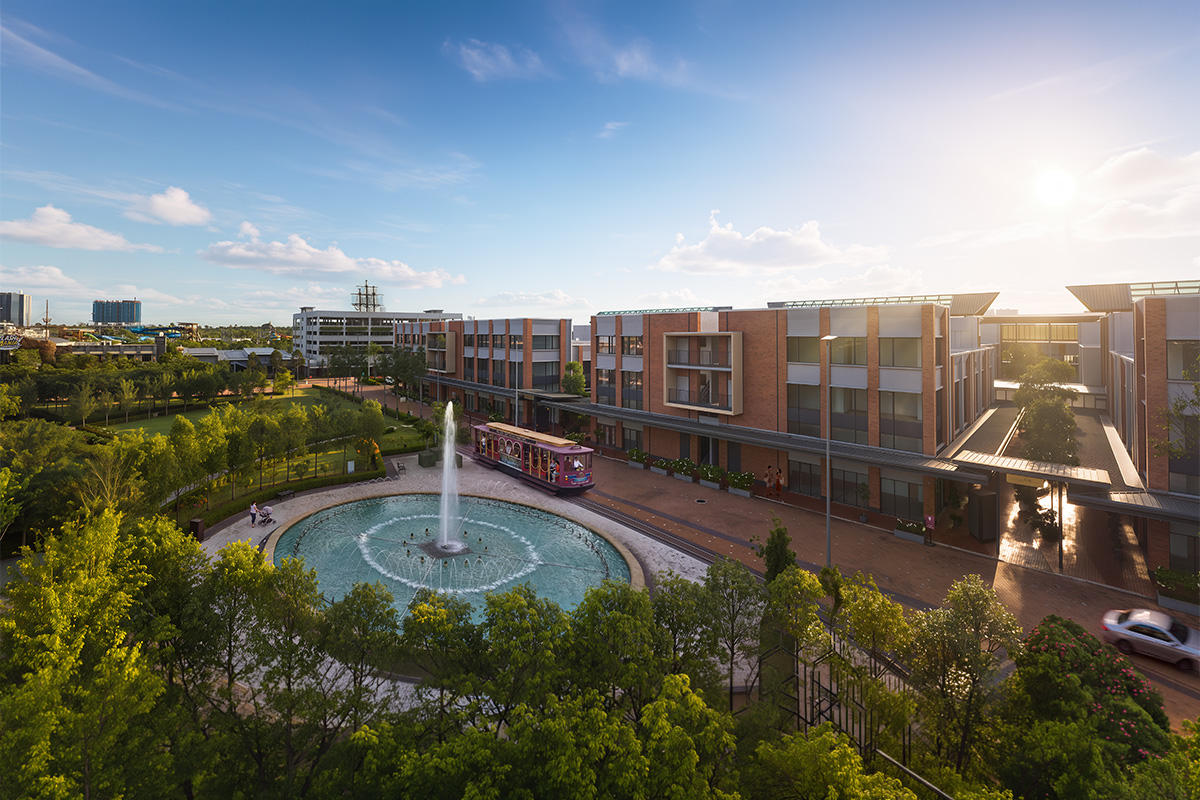
From a nature-led smart city to a close-knit community and a more cosmopolitan way of living, Gamuda Land’s developments reflect a simple principle: every place calls for a different approach.
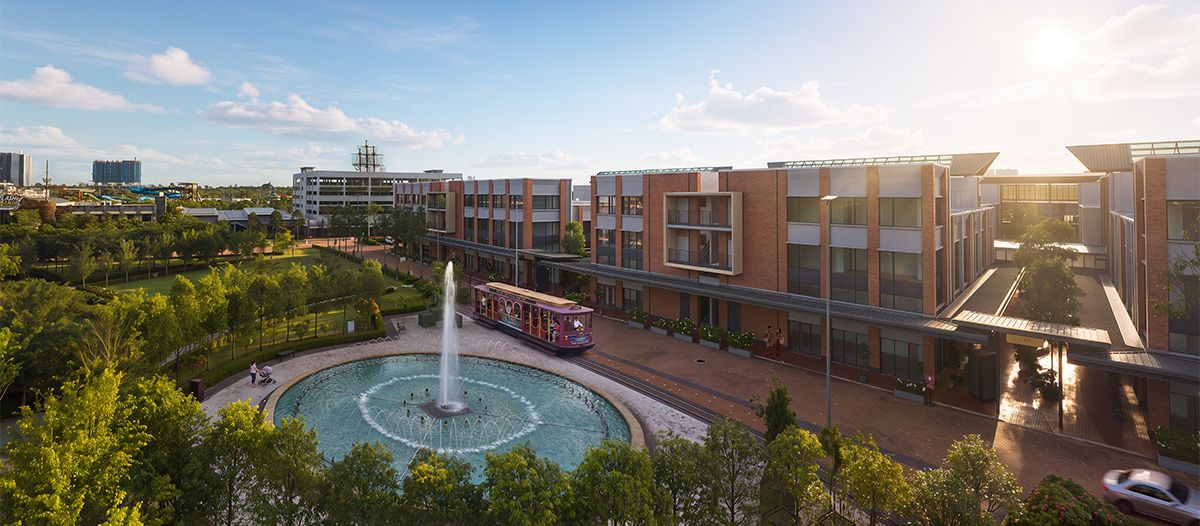
A town is more than a collection of homes, roads and amenities. It is a place where people build routines, raise families, meet neighbours and spend their time. What makes a town work is not simply what gets built, but how its different parts come together to support everyday life.
Across Selangor, communities are at different stages of their journey. New townships are taking shape, established communities are growing, and mature urban areas are finding new uses for land that has long been part of their surroundings. Each presents a different challenge: understanding what the place needs today, while considering what it may need in the years ahead.
For Gamuda Land, this begins with understanding the land, its surroundings and the people who will call it home. The result is not one township model applied everywhere, but different responses shaped by the character of each place.
Gamuda Cove: Where nature meets a smarter way of living
At Gamuda Cove in southern Selangor, the ambition is to create a nature sanctuary and smart city where the natural environment and urban living are planned together.
Located alongside Paya Indah Discovery Wetlands, the township incorporates parks, lakes and green spaces into its wider landscape. Nature is not simply a backdrop to the development; it is part of how the township is planned and experienced.
The same forward-looking approach extends to connectivity. Gamuda Cove has introduced an intracity electric tram to connect destinations within the township, offering an alternative to travelling everywhere by private car. As an unusual feature in Malaysia’s township landscape, it reflects the ambition to consider how people will move around as the community grows. Its longer-term value will depend on how well it serves residents and connects the places they need to reach.
Planning for a growing population also means looking beyond housing. Lexel International School by Taylor’s Education Group is already operating at Gamuda Cove, with approximately 200 students, while two public primary schools are being developed to support the township’s future population. These education facilities illustrate how a new community must progressively provide for the needs of families as more people move in.
As the township develops, its challenge is to bring these elements together: a natural setting, new ways to move around, education and other everyday needs. The ambition is to build a community where innovation serves a practical purpose and growth takes place alongside respect for the surrounding environment.
Gamuda Gardens: A closer connection to nature and community
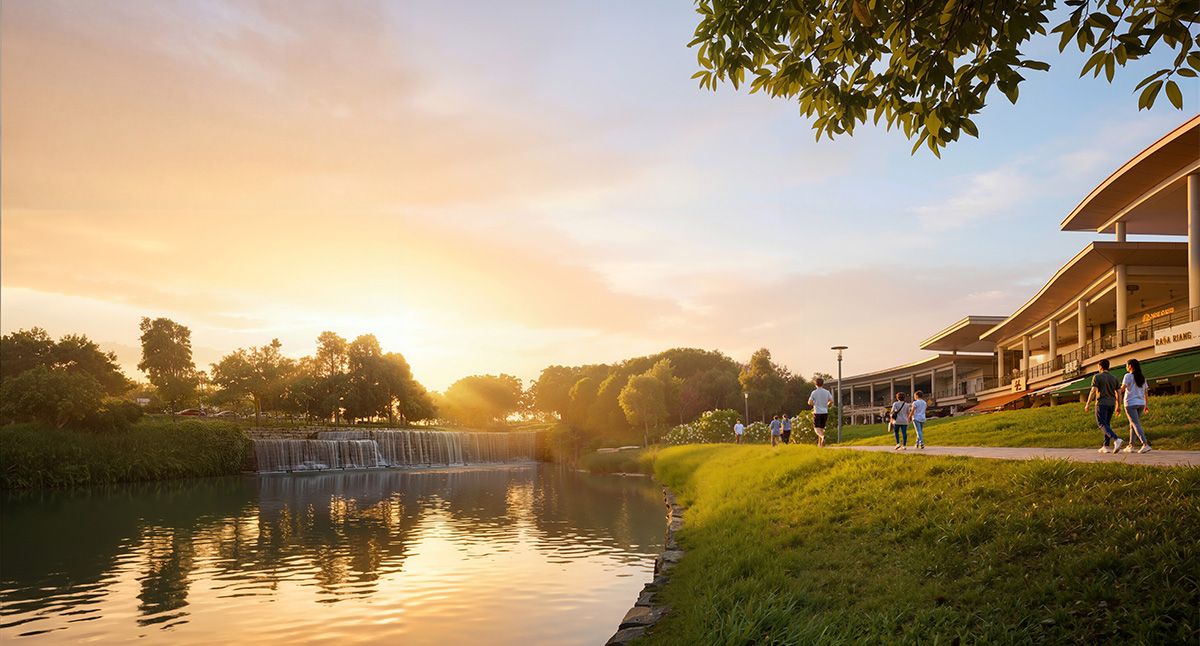
At Gamuda Gardens, the experience is more intimate. Its character is shaped by rolling hills, cascading lakes, a generous central park and neighbourhood spaces designed to bring people closer to nature and one another.
The 50-acre Central Park is at the heart of this setting, providing room for residents to walk, exercise and spend time outdoors. Nearby, Waterfront Village brings retail and dining into the neighbourhood, while leisure attractions such as Skyline Luge Kuala Lumpur and Big Bucket Splash offer opportunities for families to spend time together.
What distinguishes the township is how these experiences contribute to a more close-knit way of living. Nature provides a shared setting; neighbourhood amenities offer places to meet and gather; and recreational activities create reasons for families and visitors to return.
The point is not simply to provide a large park or a range of attractions. It is to create a setting where outdoor activity, everyday conveniences and social experiences can become part of the rhythm of life.
As Gamuda Gardens matures, its success will depend not only on the facilities it provides, but also on how naturally they become part of the community’s daily routines.
twentyfive7: A more cosmopolitan way of living, close to home
At twentyfive7 in Kota Kemuning, the focus shifts to convenience and connectivity — bringing more of everyday life within easy reach.
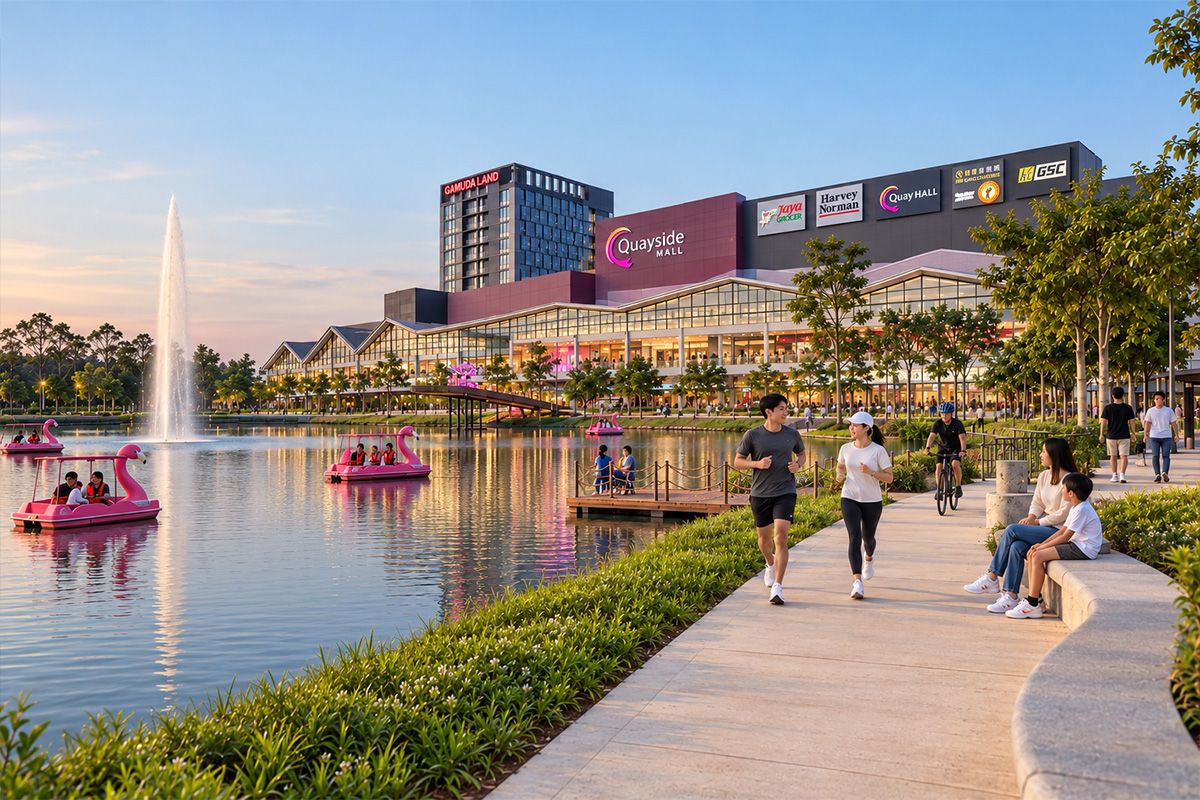
The 257-acre township is planned around a more walkable lifestyle, with the ambition of placing everyday needs within a 10-minute walk for residents. Homes, retail, dining, recreation and public spaces are brought together to make daily routines easier to manage without having to drive for every activity.
Quayside Mall, the central lake and waterfront promenade help shape the township’s character. The mall offers shopping and dining, while the waterfront and public spaces provide opportunities to walk, gather and enjoy the outdoors. Together with workplace and commercial activity, these uses contribute to a more cosmopolitan environment within the township.
The thinking goes beyond providing a list of amenities. It considers how close different destinations are to one another, how people move between them and whether everyday activities can be combined within the same neighbourhood.
Walkability is therefore not just about having paths. It depends on whether the places people want to reach are conveniently located and connected. When homes, shops, recreation and shared spaces are planned with these relationships in mind, a township can offer a more convenient and connected way of living.
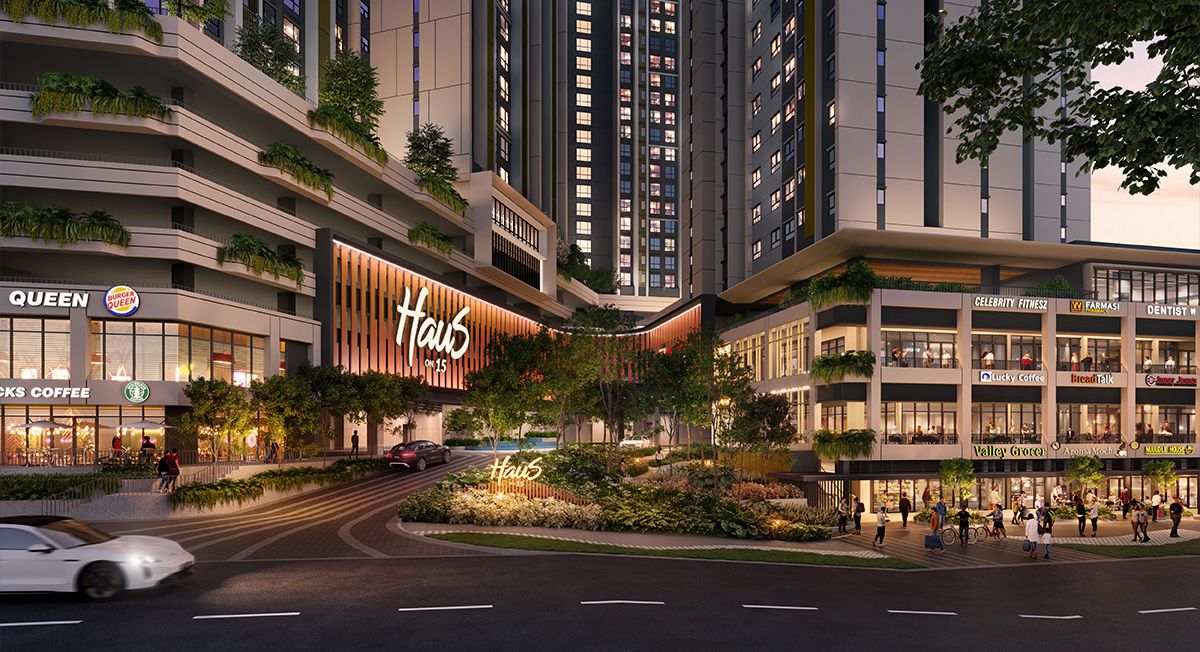
Haus on 15: Building on what is already there
In SS15, Subang Jaya, the challenge is different. This is an established urban neighbourhood with its own identity, shaped over many years by education institutions, food and beverage businesses, retail and public transport.
Through Haus on 15, Gamuda Land and Taylor’s Assets are redeveloping the former Taylor’s College campus to introduce residential, purpose-built student accommodation and retail uses into this existing urban setting.
Unlike a new township, SS15 already has much of the infrastructure and activity that people rely on. The opportunity is to make considered use of a site within this established network, responding to the needs of students and residents while complementing the neighbourhood around it.
That requires understanding what is already there: how people move through the area, where they study and work, and which facilities support their daily lives. New development should contribute to that existing pattern rather than operate as an isolated destination.
In a mature urban area, good development is not necessarily about starting from scratch or adding as much as possible. It is about making thoughtful use of land and introducing new uses that strengthen the surrounding neighbourhood.
Planning for what comes next
Gamuda Cove, Gamuda Gardens, twentyfive7 and Haus on 15 each reflect a different response to place: a nature-led smart city, a close-knit community shaped by nature, a more walkable urban lifestyle, and new development within an established neighbourhood.
Their differences matter. There is no single formula for building a town that works, because each place has its own landscape, context and community needs.
What connects them is the understanding that a town must be considered as a whole. Transport influences how people move. The location of schools, shops and workplaces shapes daily routines. Parks and public spaces create opportunities for people to spend time together. These elements are most useful when they are planned in relation to one another, rather than as separate features.
A town also continues to change after its first homes are occupied. Its population grows, needs shift and new opportunities emerge. The work of town-making is therefore never only about delivering what is needed at the outset. It is about anticipating what comes next, and allowing a place to grow in a way that remains relevant to the people who live there.
For Gamuda Land, this is what it means to build with the long term in mind: listening to what the land has to tell us, understanding the needs of each community and planning for how a place can continue to evolve.