

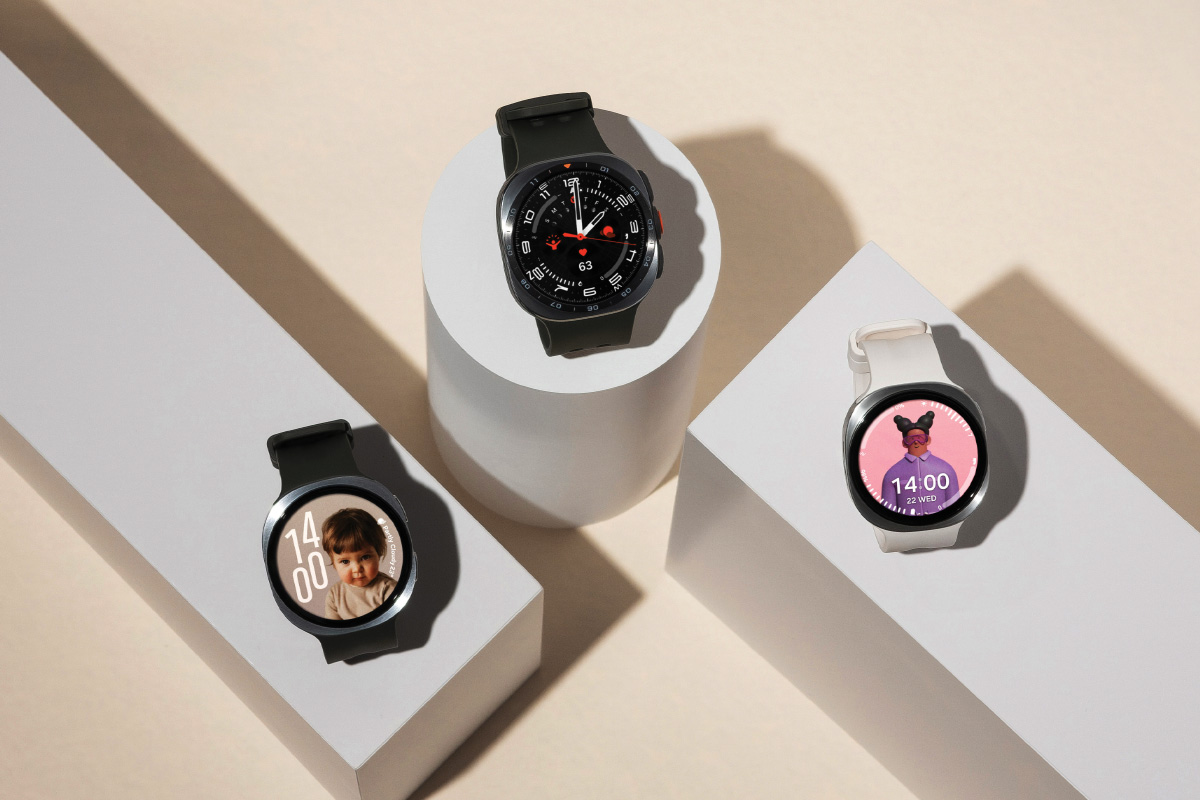
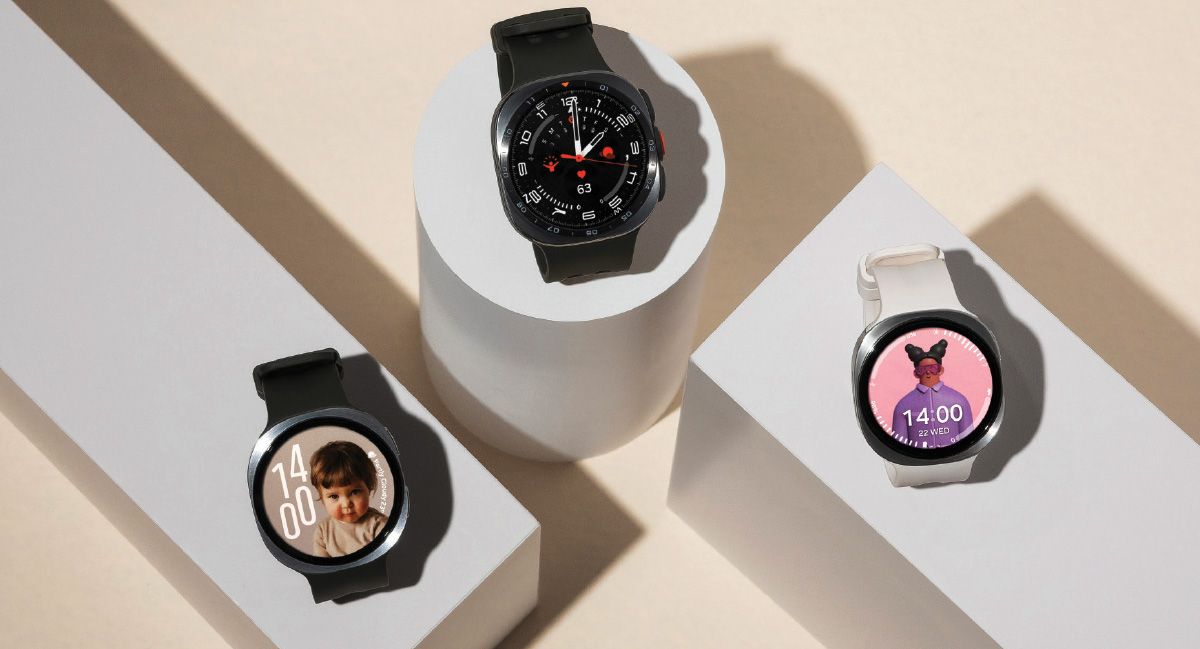
A smartwatch is one of the few devices we can wear almost continuously. It stays with us while we sleep, exercise, move between meetings and travel. That continuity gives wearable technology a chance to be more useful and more personal.
“At Samsung, we believe the next step is to make sense of those moments and connect them to the wider Galaxy experience. Galaxy Watch can capture health signals as we go about our day, Samsung Health can help us understand them, and our connected devices can make everyday tasks easier,” said Charles Kim, President of Samsung Malaysia Electronics.
Samsung is bringing together wearable data, AI and Samsung Health, while working with research and healthcare partners to explore how continuous data could support new health experiences.
After a restless night, knowing how many hours you have slept is helpful, but that number alone cannot show whether your body’s signals have changed from what is normal for you.
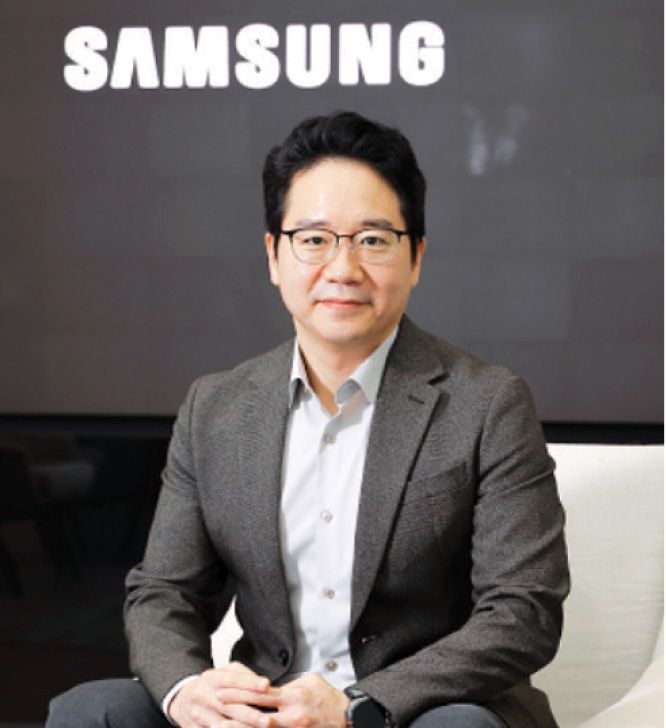
— Charles Kim, President of Samsung Malaysia Electronics
This is where Vitals on Galaxy Watch9 comes in. It draws on five signals measured while you sleep — heart rate, heart rate variability, respiratory rate, skin temperature and blood oxygen — and compares them with your personal baseline. Vitals highlights meaningful changes, while Samsung Health places those insights alongside activity and recovery information to help you recognise patterns over time.
Daily Cardio Load can help people who exercise regularly understand how much cardiovascular strain they have accumulated and whether it may be time to ease up. Together, these features make the information easier to use when deciding how to train, rest or adjust a routine. They provide easy wellness guidance that supplement professional medical advice.
Galaxy Watch Ultra2 is built for people who put greater demands on a watch outdoors. With an improved long-lasting 800mAh battery capacity, it is the brightest Galaxy Watch ever with a display of up to 5,000 nits, ensuring the data on-screen is crystal clear even under the harsh Malaysian sunlight. Trail Run shows elevation and climbing progress, and hydration guidance estimates fluid needs during extended exercise. The watch can also track depth, dive time and water temperature when diving, subject to its stated use and care conditions.
For these insights to be useful, people have to want to keep wearing their watch, including at night. That is why Samsung made Galaxy Watch9 slimmer, with a more comfortable band and greater battery capacity. Galaxy Watch Ultra2 is also slimmer than its predecessor, with a slimmer body despite its larger battery, making it easier to move between demanding activities and everyday life.
The watches also have a place in our daily life. With Raise to Talk on Galaxy Watch9 and Galaxy Watch Ultra2, you can raise your wrist and speak to Gemini without pressing a button or saying a wake phrase. On the way to a meeting, that might mean sending a message or setting a reminder. While travelling, it might mean checking directions or a flight schedule. At home, Gemini can control compatible devices through SmartThings.
Across these moments, the watch complements the phone. It gives you an immediate way to handle a task, while a Galaxy phone provides more space to view your health information or finish something that needs your attention.
Samsung Health builds on this connection by bringing sleep, activity and other health readings from your watch together on your phone. Features such as Energy Score, Heart Health Score and Fitness Index help users make sense of that information in the context of their own routines, while training guidance can help decide when to exercise or allow more time for recovery. These insights can then guide everyday choices about how users look after their well-being.
“We see wearables becoming an increasingly important part of a more proactive and connected approach to health. Our goal is to make each generation of Galaxy Watch more useful to the wearer throughout the day, whether they are looking after their well-being, getting through work or travelling somewhere new,” said Kim.