

For most Malaysians, financial protection is something they rarely have to think about. They save, transact and rely on insurance or takaful protection with the expectation that the system will hold when it matters most.
Behind that peace of mind is Perbadanan Insurans Deposit Malaysia (PIDM), the country’s financial consumer protection authority that safeguards depositors and insurance and takaful policy owners, while supporting confidence in the wider financial system.
After two decades of building Malaysia’s financial safety net, PIDM is entering its next phase under its Corporate Plan 2026–2028. Themed “From Readiness to Resilience”, the focus is shifting from being institutionally prepared to strengthening resilience across the financial ecosystem.
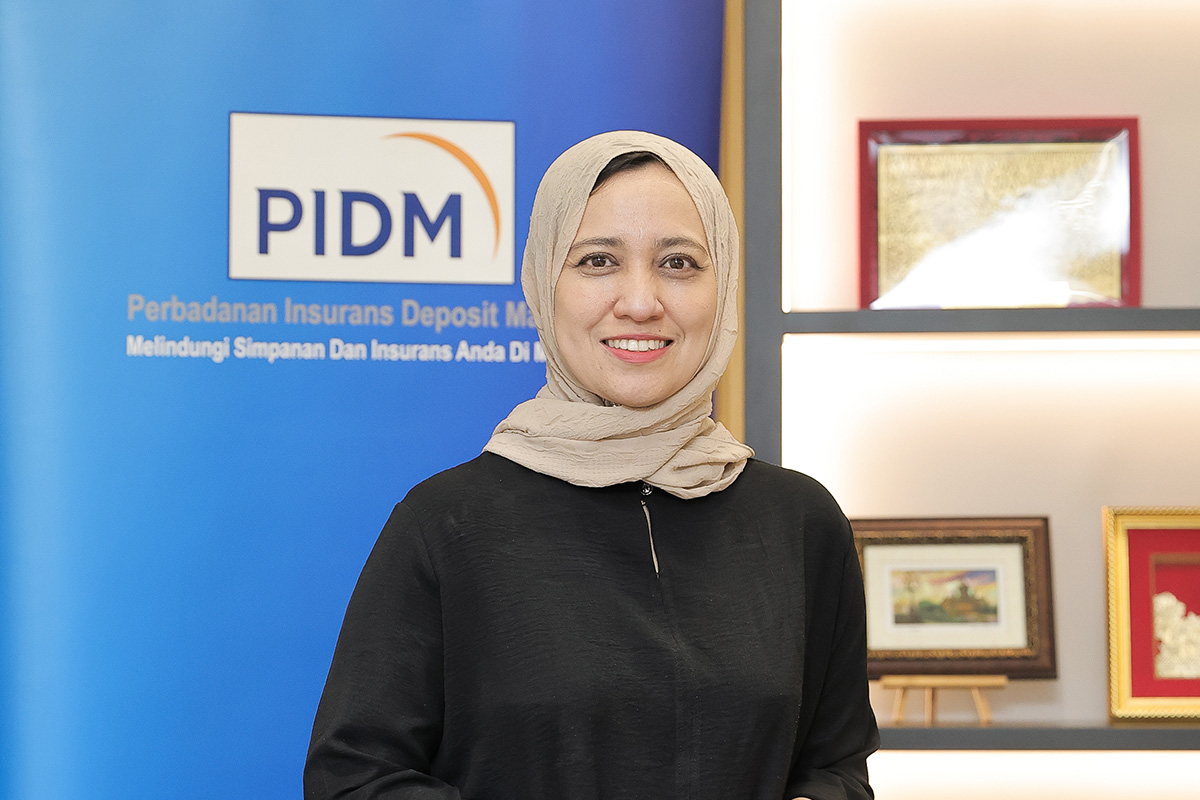
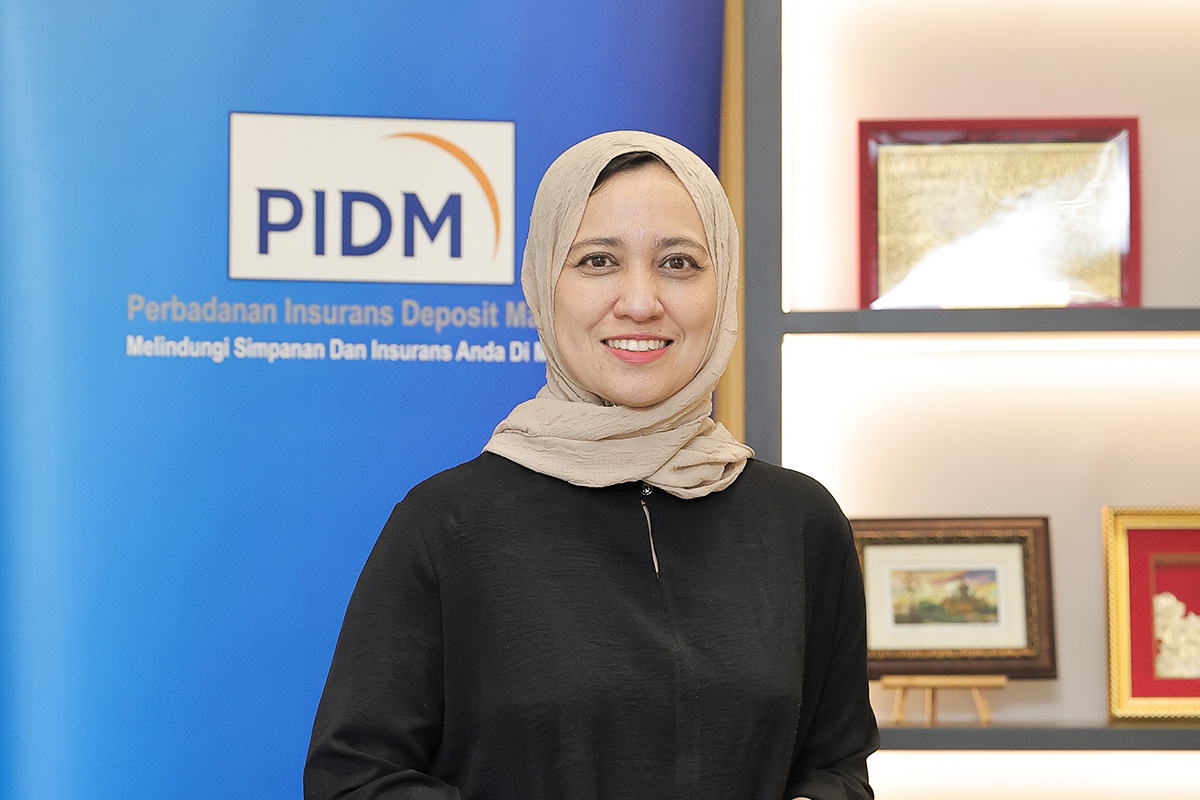
At the helm is Afiza Abdullah, who becomes chief executive officer after 15 years with PIDM. Having worked across policy, resolution and crisis preparedness since joining in 2011, she brings continuity as well as a clear focus on emerging areas that will strengthen PIDM in fulfilling its mandate.
One priority is Islamic resolution, where Afiza believes Malaysia can play a stronger role in shaping global thinking.
“While conventional resolution frameworks are already established internationally, a comparable global framework for Islamic financial institutions has yet to be fully developed,” she says.
“Malaysia is well-positioned to contribute to thought leadership and best practices in Islamic resolution as it operates both conventional and Islamic financial systems. Such a framework would support the orderly resolution of Islamic financial institutions while preserving Shariah principles as fully as possible.”
PIDM has been advancing this work through engagements with the Shariah fraternity, including its annual Muzakarah on Islamic resolution, to help build consensus and strengthen Malaysia’s Islamic resolution framework.
Preparing for the unexpected
Another priority for PIDM is strengthening resolution resilience. This is the ability to credibly execute resolution actions amid changing economic, financial, technological and geopolitical conditions.
By 2028, PIDM aims to improve the resolvability of its member institutions, ensure feasible liquidity funding options, enhance preparedness for Islamic financial institution resolution and deepen interagency resilience through simulations.
These simulations, Afiza says, test failure scenarios, decision-making and coordination among relevant authorities before a crisis occurs.
The need for preparation has become more pressing as digital financial services expand. While they offer convenience, they also bring risks such as scams, misinformation, fraud and cybersecurity threats. Geopolitical uncertainty, macroeconomic shifts and climate-related risks are also reshaping the operating landscape.
Malaysia’s track record of not having experienced a member-bank failure is a positive reflection of financial stability. At the same time, it creates a practical challenge for PIDM: without recent domestic failure experience to draw from, the organisation must continue to test its readiness through simulations, scenario planning and engagement with international counterparts in jurisdictions where bank failures have occurred more recently.
“The challenge is how to stay ahead of the curve and prepare not just for one disruption, but for a flux of disruptions coming together at the same time,” she notes.
Building resilience in a digital age
Digital resilience is one of the four strategic priorities under the Corporate Plan. For Afiza, it is not simply about adopting new technology, but ensuring PIDM can continue to deliver its mandate even when technology becomes a source of disruption.
That means strengthening systems, data capabilities, cyber preparedness and operations, while keeping pace with how consumers bank, pay and transact. As financial services become more digital, public awareness of financial safety nets must also evolve.
Talent as a pillar of resilience
For Afiza, resilience ultimately rests on people. Resolving a bank or insurer is not a routine exercise; it calls for specialised technical capability, sound judgement and the confidence to make difficult decisions under pressure.
That is why competency-building remains central to PIDM’s readiness. Strong frameworks and systems are essential, but their effectiveness depends on professionals who can apply them well when circumstances are uncertain, time-sensitive and complex.
“Our people are key in our success of providing that peace of mind,” she says.
The scale of that responsibility is significant. PIDM currently covers 45 member institutions in the banking sector, including five digital banks, as well as 48 insurance companies and takaful operators.
For Afiza, the task is to ensure PIDM remains ready for crises that may look very different from the past; and resilient enough to respond when they come.
“Ultimately, what we do is about protecting people’s confidence in the financial system,” she says. “That confidence must be earned before a crisis, tested during a crisis and strengthened after it.”