

Malaysia has been steadfast in its commitment to building a sustainable future for the nation, setting ambitious targets to reduce its carbon footprint as well as achieving 70% renewable energy (RE) in its energy mix by 2050.
Businesses and corporations have also been quick to come on board this environmental, social and governance (ESG) journey, aligning with global efforts to combat climate change and finding ways for the ecosystem to work together to realise this goal.
Various initiatives have been put in place by the government to foster a conducive environment for RE adoption and investment, the most recent being the Corporate Green Power Programme (CGPP) and the Corporate Renewable Energy Supply Scheme (CRESS), which empower businesses to contribute to a greener future.
This year, a new programme is being introduced — the Community Renewable Energy Aggregation Mechanism (CREAM) — focusing on community participation in RE generation.
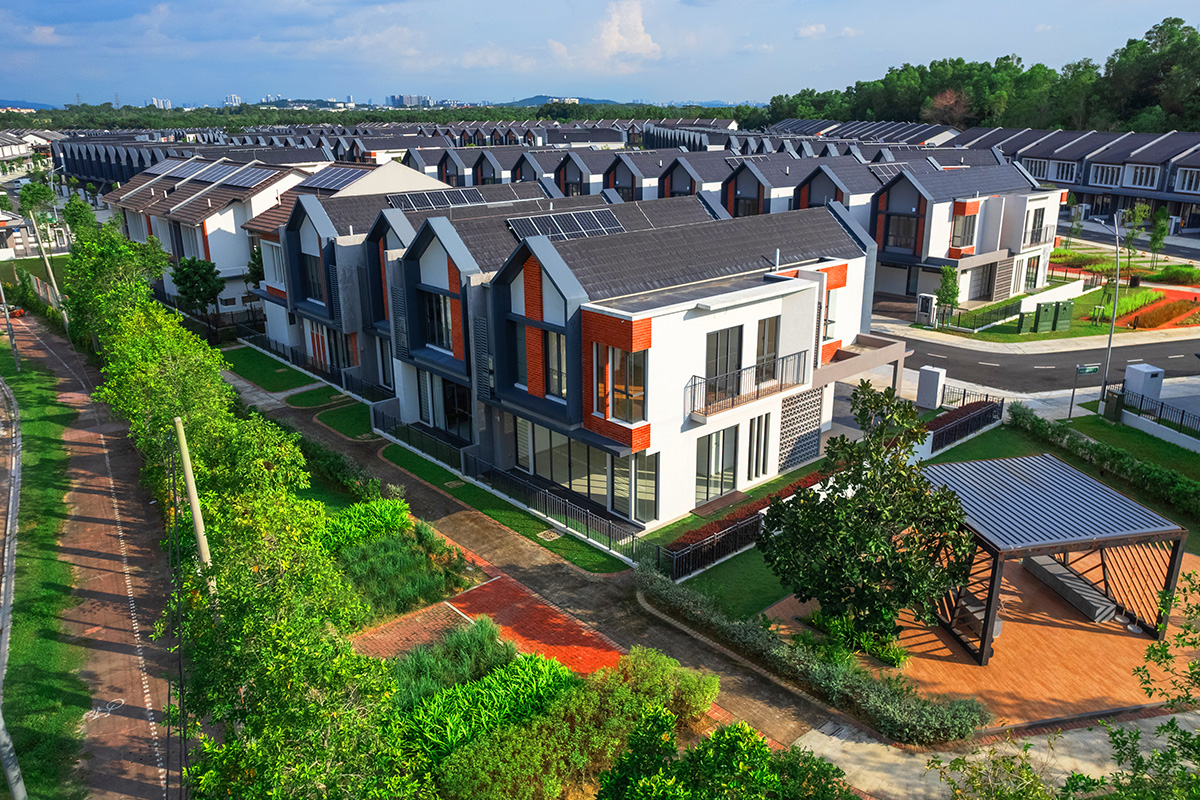
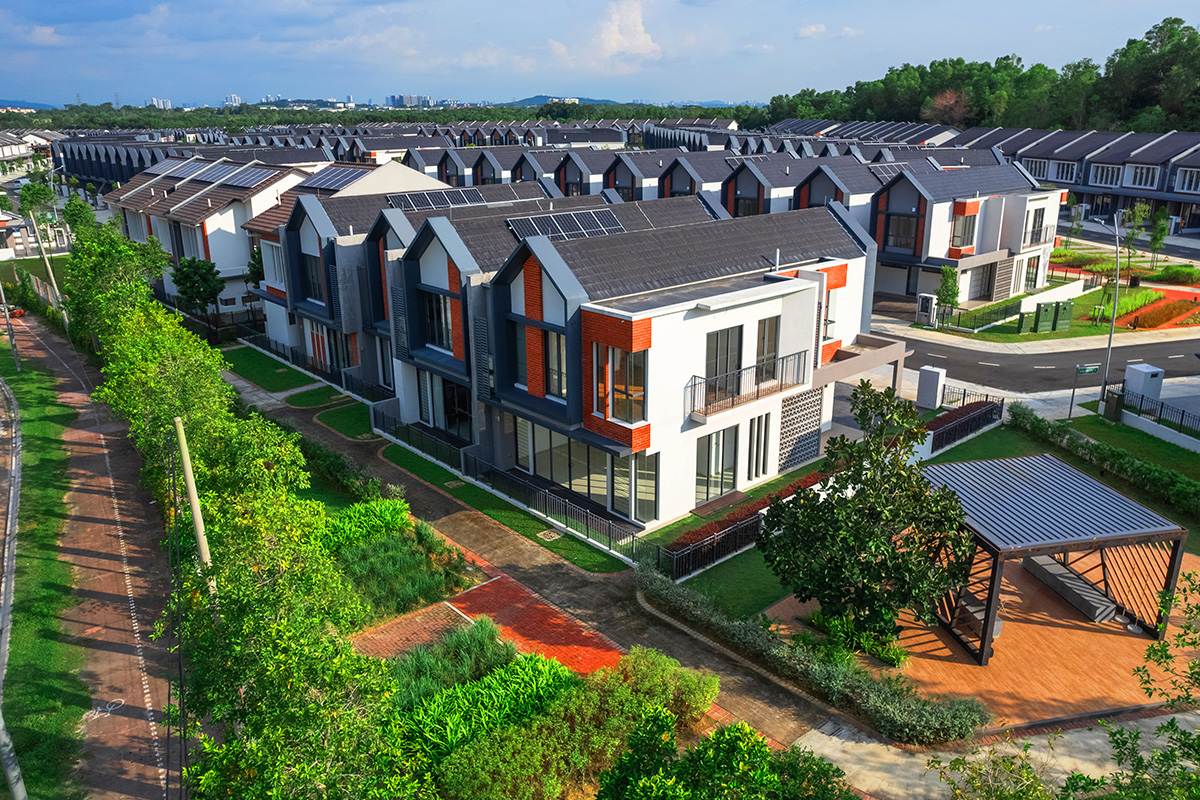
CREAM incentivises individuals who lease their rooftops for solar photovoltaic (PV) installations, enabling the surrounding communities to generate clean energy and earn additional income by leasing their roof to the Local Generator and Aggregator (LEGA), which will sell the electricity directly to local green consumers, such as malls and offices.

The green consumer is allowed to source green electricity within an approximately 5km radius — from more than one LEGA. This programme is only applicable to landed properties, where rooftop solar PV systems are installed.
According to recently released guidelines on CREAM, LEGA will be responsible for the development, ownership, operation and maintenance of the solar PV, ensuring the efficient generation and aggregation of RE.
All the energy will need to go through Tenaga Nasional Bhd’s (TNB) grid, as it is tasked with managing the last-mile connection and mitigation in the event the green energy supply fluctuates. When excess energy is generated, it can be sold through the grid at a predetermined rate.
“As the national utility provider, TNB is committed to delivering reliable and continuous supply of energy to customers, bridging any service gaps that may surface during the transmission of green energy to customers,” says Kamal Arifin A Rahman, TNB’s chief retail officer.
“The challenge would be for existing property developments to participate in CREAM. Their current infrastructure may not be in place to harness any solar energy generated by individual homes.
“With CREAM in place, new mixed-use townships that provide solar-ready homes are mapped at the planning stage to use green energy to power nearby commercial and industrial properties like shopping malls and more. For existing townships, the CREAM potentials are to be optimised based on actual site conditions.”
Differences between CREAM & CRESS
| Community Renewable Energy Aggregation Mechanism (CREAM) | Corporate Renewable Energy Supply Scheme (CRESS) | |
| Connection to TNB network | Generation and consumption are within the local network, where the source is close to consumer, hence minimising the cost for long network and lowering losses | Generation can be connected to TNB’s High Voltage (HV) network, whereas the consumption can be channelled to TNB’s Medium Voltage (MV) and High Voltage (HV) networks anywhere |
| Solar installation | Solar installation on residential rooftops only | Open for all types of solar installations |
| Solar development | Limited to development up to 2MWp per 11kV feeder | Open to solar development connected to high voltage grid network |
Sime Darby Property pilots CREAM in the City of Elmina
Sime Darby Property (SDP) is collaborating with TNB to become the first company in Malaysia to harness the power of solar energy under the inaugural CREAM initiative. SDP states that its participation in the initiative introduces a practical and scalable model to unlock solar generation capacity from within its townships.
SDP enables clean energy generation by leasing rooftop spaces from residential properties without requiring homeowners to install their own solar panels. This initiative supports its nearby commercial and industrial developments, complementing its broader decarbonisation strategy, aligning with national energy objectives, and directly contributing to its emissions reduction targets.
Working with TNB’s solar subsidiary GSPARX Sdn Bhd, the joint venture will enter into lease agreements with residential homeowners interested in participating in this programme, starting with those in the City of Elmina. Rooftops of participating homes will be utilised to generate electricity, which will be exported via the local distribution line within a 5km radius for use at SDP’s commercial and industrial developments.
The latest collaboration between the two parties comes on the heels of a joint venture established by SDP and GSPARX in July 2024, focusing on financing, developing and operating rooftop solar generation projects across selected assets and properties in SDP’s portfolio.
“CREAM opens the door for individuals to participate in the energy transition agenda through rooftop leasing agreements, helping Malaysia to achieve Net Zero 2050,” says Kamal.