

As Malaysia advances its ambition to become a leading hub for sustainable finance, new platforms such as the Bursa Carbon Exchange (BCX) are taking centre stage. Financial institutions, including CIMB, are actively participating, signalling a national commitment to climate action. While carbon markets introduce opportunities, they also raise significant ethical questions that demand careful consideration from an Islamic finance perspective. Do these instruments truly align with Shariah principles, or do they present a modern ethical challenge?
What are carbon credits and why do they matter?
Carbon credits are tradable permits representing either the right to emit one tonne of CO2 or the certified removal/avoidance of such emissions. They are key components of the global strategy to reach Net Zero targets, aiming to incentivise emission reductions and fund green projects. Malaysia’s BCX initiative highlights the nation’s commitment to leveraging carbon credits as instruments for emissions reduction and sustainable finance. Yet, the fundamental question persists: Are these market-based solutions ethically sound and Shariah-compliant?
The ethical tightrope: Shariah concerns
From a Shariah viewpoint, several concerns emerge. A core issue is whether the “right” to cause environmental harm (ḍarar) can be bought and sold. Islamic law strictly prohibits causing harm (laˉḍarar wa laˉḍiraˉr). Can an activity that inherently causes harm be sanctioned through a financial transaction?

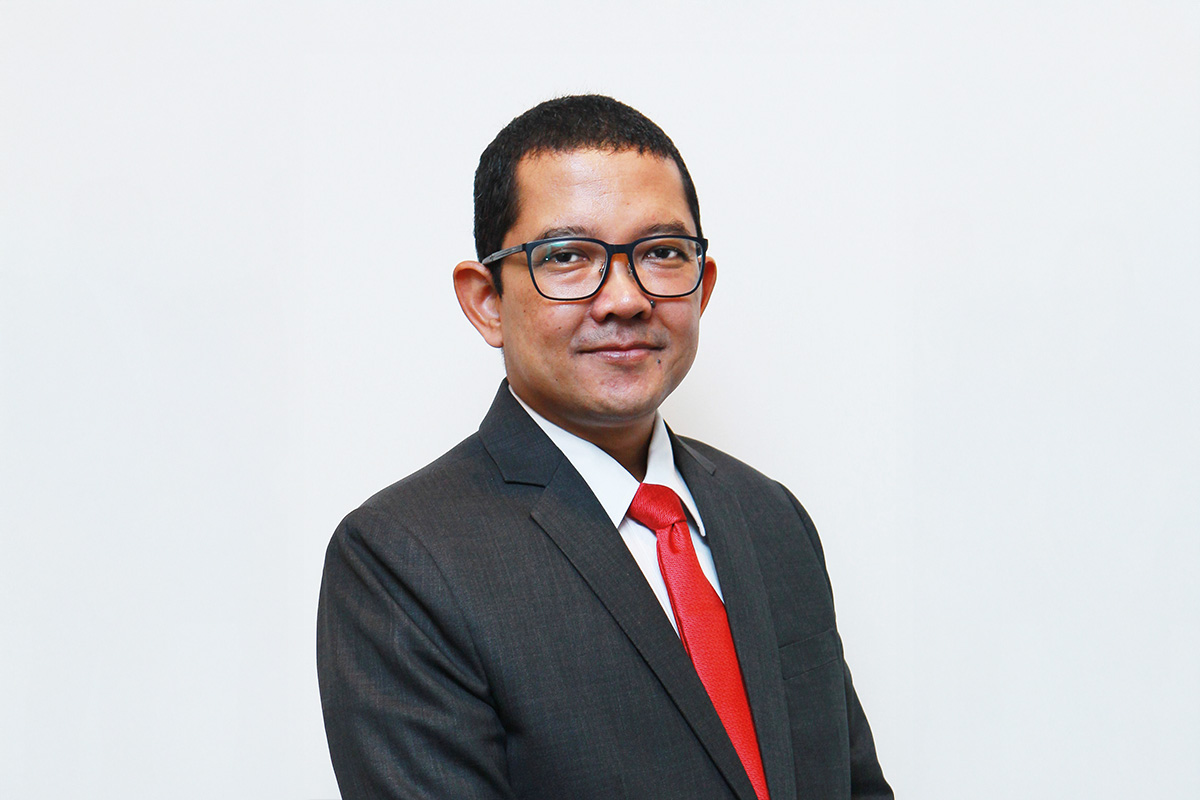
CEO, CIMB Islamic Bank Bhd and CIMB Foundation
This leads to a potential paradox: Does purchasing credits to offset or continue emissions conflict with the Islamic duty of stewardship (khilaˉfah) over the resources entrusted to mankind? Could it merely be a “licence to pollute”? Furthermore, questions of justice (ʿadl) arise. Could these markets disproportionately burden developing nations while wealthier entities offset rather than reduce their environmental footprint? Currently, there is no universal Shariah consensus (ijmaˉʿ) on the permissibility and structure of these markets, highlighting an area that needs urgent scholarly attention (ijtihaˉd).
What needs to happen now?
To navigate this complex terrain, proactive steps grounded in Shariah are essential:
Develop clear guidance
There is a pressing need for contemporary scholarly deliberation (ijtihaˉd) and authoritative rulings (fataˉwaˉ) on carbon credits and trading mechanisms.
Institutional leadership
Regulators, Shariah advisory bodies and financial institutions must lead in developing robust, ethically sound frameworks, rather than just following market trends.
Implement practical measures
Key actions include:
- Establishing rigorous Shariah screening criteria for carbon projects;
- Enhancing transparency and accountability in carbon trading platforms such as BCX; and
- Ensuring alignment with the higher objectives of Shariah (Maqaˉṣid al−Sharıˉʿah), particularly the preservation of the environment.
A defining moment for ethical finance
The rise of carbon markets presents a crucial test for Islamic finance. Successfully integrating these tools requires a rigorous reconciliation of market utility with enduring Islamic ethical principles. Collaborative dialogue among scholars, regulators and industry practitioners is vital. The goal must be to establish a global standard for Shariah-compliant carbon markets that genuinely contribute to climate solutions while upholding the profound environmental ethics inherent in Islam.

CIMB, in partnership with INCEIF University and ISRA Institute, is hosting a conference on Shariah Leadership in Sustainability on May 20, 2025.
Join us as we explore Shariah perspectives on integrating ethical finance into industry practices and examine whether carbon markets align with Shariah principles. Scan the QR code to learn more and register for the conference or visit here.