

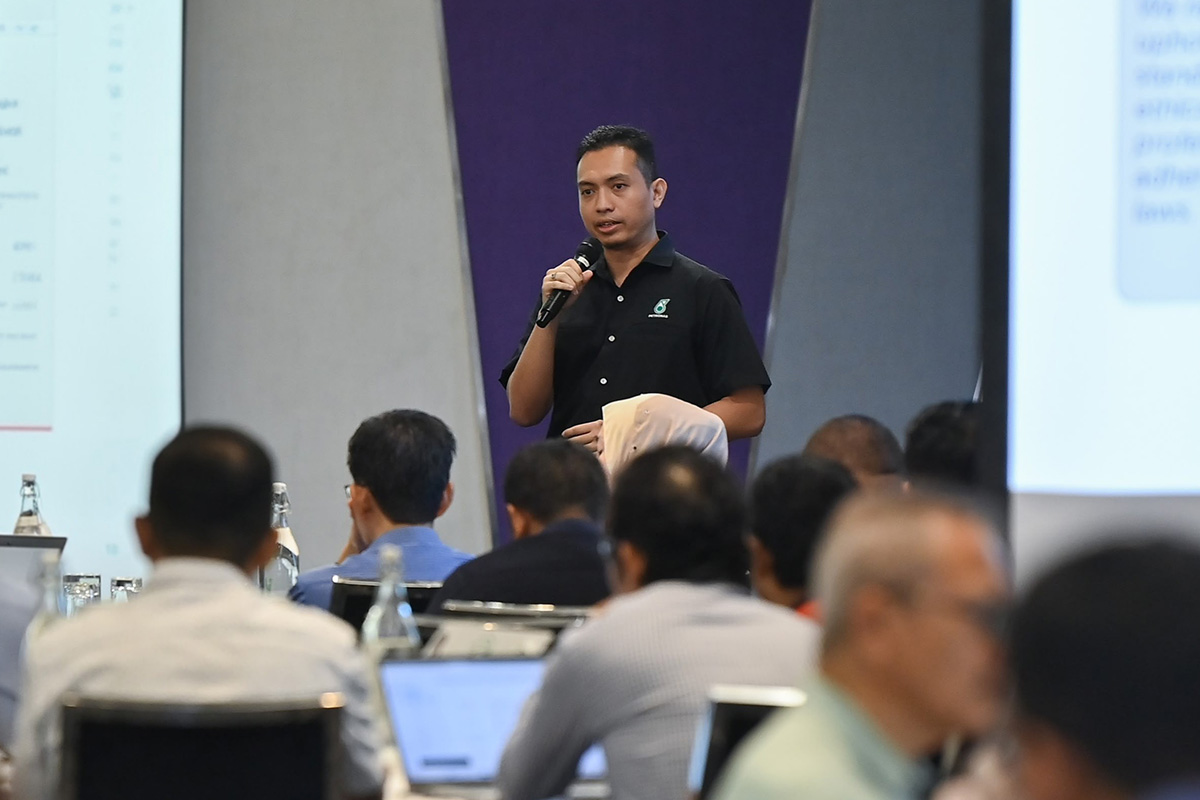
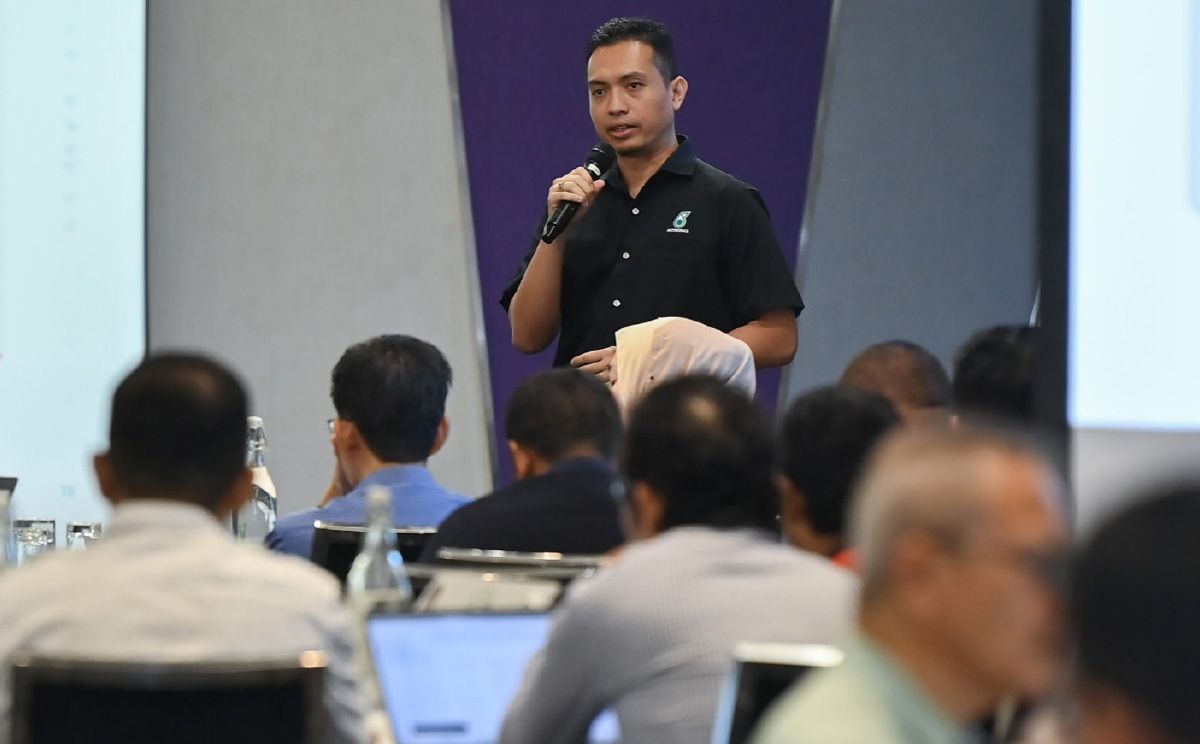
The energy transition is often framed as a race to reduce emissions. Yet for much of Asia, the challenge is more nuanced, reflecting different national circumstances, development priorities and energy needs.
As economies continue to grow, populations expand and industrialisation advances, countries must meet rising energy demand while progressing towards lower-carbon futures.
The question is not whether to prioritise energy security or decarbonisation, but how to balance both objectives.
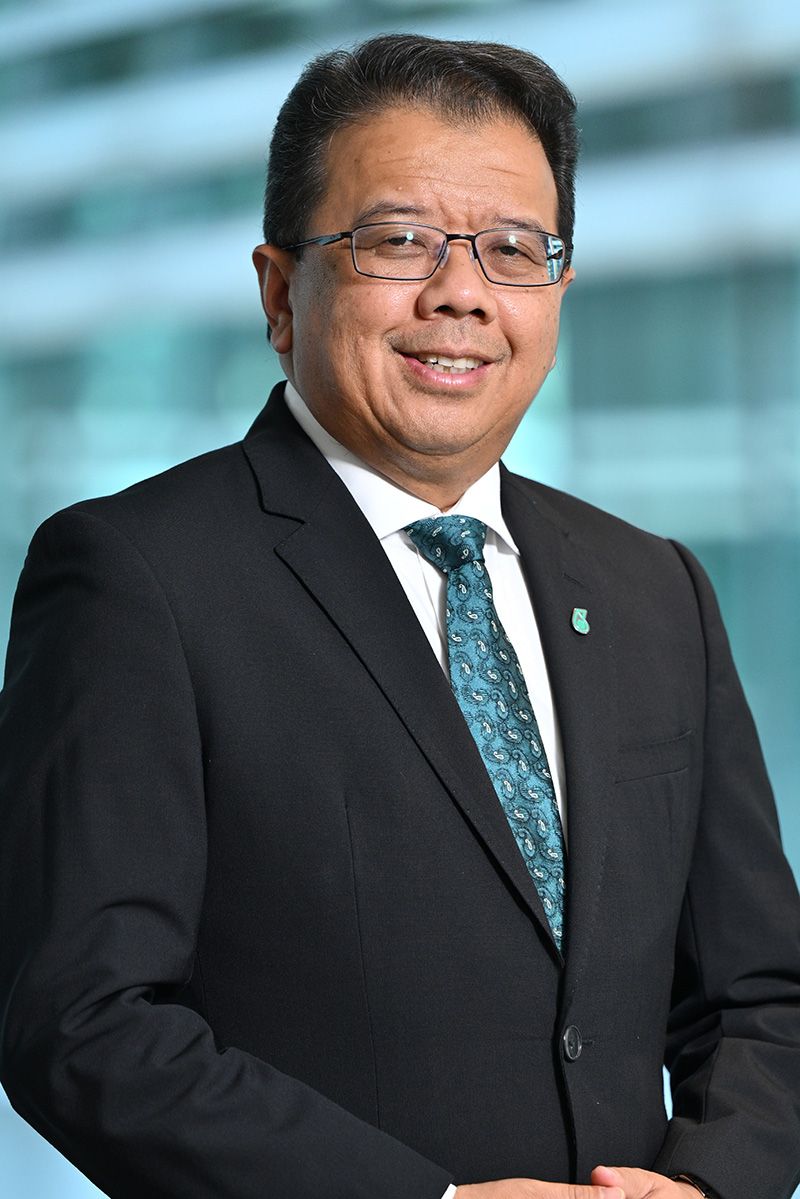
— Norafizal Mat Saad, Vice President of Group Strategic Relations and Communications, PETRONAS
For PETRONAS, this balancing act is central to its dual role as a National Oil Company and an energy and solutions partner. While continuing to invest in the energy systems that power economies today, the company is also building capabilities for the energy landscape of tomorrow.
Yet, the transition is about more than infrastructure, technology and capital. It must also consider the people, businesses and communities across the energy value chain. A lower carbon economy can create new jobs and business opportunities but may also disrupt existing labour markets.
PETRONAS’ approach to a just transition focuses on three priorities; future-proofing the workforce, strengthening the supply chain and supporting community resilience, reflecting the need to ensure people and communities are equipped to navigate change and participate in emerging opportunities.
“A Just Transition is about bringing everyone forward as the energy landscape evolves. It requires investing in people, strengthening business adaptability and building resilient communities. For PETRONAS, this means creating an inclusive and resilient ecosystem that meets today’s energy needs while creating sustainable opportunities for tomorrow,” said Norafizal Mat Saad, Vice President of Group Strategic Relations and Communications, PETRONAS.
Future-proofing the workforce
The energy transition will reshape workforce requirements across the value chain.
As industries evolve, demand for capabilities in renewable energy, sustainability, digital technologies, carbon management and data analytics will increasingly complement traditional engineering and technical expertise. Building a capable and agile workforce to adapt to these shifts are therefore as important as developing the technologies themselves.
For PETRONAS, this means anticipating future workforce and capability needs, supporting continuous reskilling and upskilling, and investing in the next generation of talent
In September 2026, the company welcomed more than 600 young Malaysians under its flagship PETRONAS Powering Knowledge education sponsorship programme.
With RM230 million committed this year, the sponsorship now covers a broader range of disciplines, including civil engineering, architecture and maritime-related fields, reflecting evolving workforce requirements across the wider PETRONAS ecosystem. Since 1975, the programme has supported more than 40,000 Malaysians through cumulative investments exceeding RM4 billion.
Technical and vocational education and training (TVET) also play a critical role in ensuring workforce readiness. Through institutions such as Institut Teknologi Petroleum PETRONAS (INSTEP) and Kimanis Petroleum Training Centre (KTC), PETRONAS continues to develop industry-ready talent equipped with practical skills and real-world operational experience.
INSTEP trains more than 1,000 local and international talents annually and has expanded its focus on future energy capabilities through the PETRONAS Energy Transition Academy (P-ETA), which offers more than 160 learning solutions in areas such as decarbonisation, cleaner energy, sustainability and energy efficiency.
In Sabah, KTC has become an important platform for local talent development. Since its establishment in 2011, the centre has produced more than 250 graduates through its fully sponsored technical diploma programme, consistently achieving graduate employability rates above 90 per cent.
As the organisation and its workforce evolve, PETRONAS also recognises the importance of social protection and meaningful dialogue with employees and their representative bodies to understand and manage workforce impacts responsibly.
Together, workforce planning, reskilling and upskilling as well as social protection help prepare existing employees and future generations to participate meaningfully in opportunities arising from the transition.
Strengthening the supply chain
The same principle applies to the businesses that keep the energy system moving.
Across the energy value chain are thousands of suppliers, contractors and service providers whose ability to adapt will shape the resilience of the wider industrial ecosystem. Many are small and medium-sized enterprises (SMEs), facing growing expectations related to sustainability reporting, emissions measurement and access to transition financing.
Recognising these challenges, PETRONAS established the PETRONAS Supplier Support Programme (PSSP) in 2024 to support local Oil and Gas Services and Equipment (OGSE) companies strengthen sustainability capabilities and prepare for a lower-carbon future. The programme provides sustainability training, emissions measurement and reporting tools, as well as access to sustainable and transition financing opportunities.
This effort is particularly significant, given that close to 80 per cent of PETRONAS’ OGSE suppliers are local SMEs, highlighting the importance of supporting and strengthening the local business ecosystem. By helping businesses develop new capabilities and navigate changing market expectations, the programme supports both competitiveness and resilience across the wider supply chain.
A Just Transition requires an ecosystem-wide effort that recognises different levels of supplier readiness and enables businesses of all sizes to adapt, remain resilient and participate in emerging lower-carbon value chains.
Supporting community resilience
The impact and opportunities of the energy transition extend beyond industries and workplaces. For communities, resilience is built through access to education, skills, entrepreneurship, economic opportunities and a healthy environment that enable people to navigate change with greater confidence.
This broader perspective underpins PETRONAS’ social impact efforts, delivered across the Group and through Yayasan PETRONAS. The focus is long-term, scalable programmes that respond to community needs, address underlying challenges and create lasting value through partnership and clear, measurable outcomes.
In the first half of 2026, PETRONAS invested more than RM145 million in social impact initiatives, touching more than 49,062 lives through direct beneficiaries and broader outreach across the three pillars; Powering Knowledge, Uplifting Lives and Planting Tomorrow.
Through Powering Knowledge, the company invests in education, skills and talent development to prepare future generations for emerging opportunities. Uplifting Lives, the second pillar, focuses on enhancing community well-being, strengthening livelihoods and enabling greater economic participation. The third pillar, Planting Tomorrow, advances environmental sustainability through biodiversity conservation and initiatives that help build resilient communities.
Together, these efforts aim to help communities build the knowledge, capabilities and resources to adapt to a changing energy landscape, while creating pathways for longer-term social and economic progress.
A shared journey towards resilience
The energy transition is ultimately about people. Across Asia, it will influence livelihoods, shape communities and affect how the benefits of growth are shared.
The path forward will differ from country to country, reflecting available resources, stages of economic development and national priorities.
This diversity of perspectives will shape the discourse at Energy Asia which returns to Kuala Lumpur from 2 to 4 June 2027.
Under the theme Reshaping Resilient Energy Systems, the forum will explore how Asia can meet rising energy demand while sustaining economic growth and advancing the transition amid global uncertainty.
For PETRONAS, this reinforces the importance of investing in people. Through education, technical programmes and community initiatives, the company aims to strengthen community well-being and create pathways to more secure livelihoods.
Ultimately, the energy transition is not simply about building a different energy system. It is about ensuring that people are ready to be part of it.
And that may well be one of the most important measures of success.