

For Bank Islam, the next chapter is about building on the strength of an established and trusted Islamic banking franchise to serve a broader range of customers and communities, and more of their financial needs.
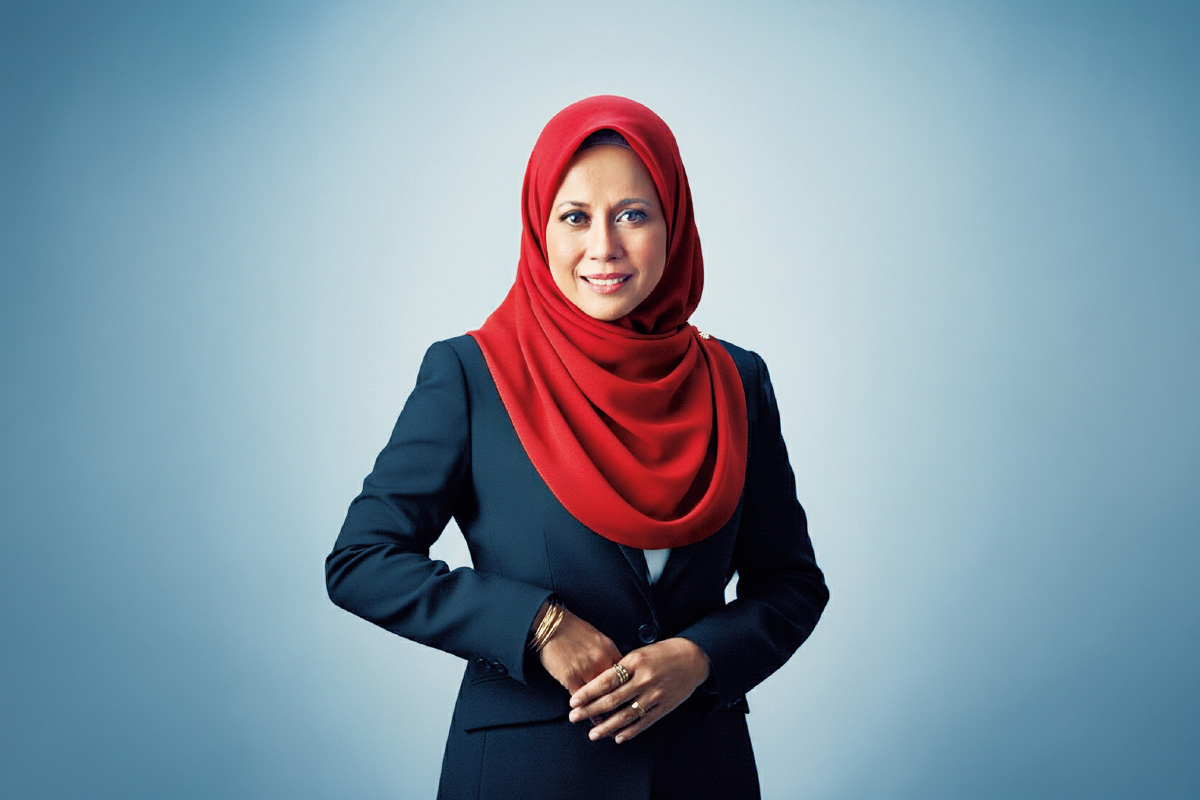
Under Group CEO Raja Datin Paduka Teh Maimunah Raja Abdul Aziz, Bank Islam is broadening its proposition beyond its traditional strength in consumer banking, while remaining anchored on the Shariah principles, resilience and service that have defined the institution for more than four decades.
With an established national footprint and longstanding relationships across individuals, businesses and institutions, Bank Islam has the foundation to deepen those relationships by serving customers across more of their financial needs. At the same time, the Bank sees an opportunity to expand its role in supporting underserved communities through Islamic social finance, helping to build resilience and widen participation in the economy.
“Our ambition is not to move away from what Bank Islam has traditionally done well. It is to build on those strengths and broaden our relevance to our customers, whether they are individuals, businesses or institutions. As an Islamic bank, that also means looking at how finance can create wider economic and social value for the communities we serve,” said Raja Teh.
Deepening our role in the business community
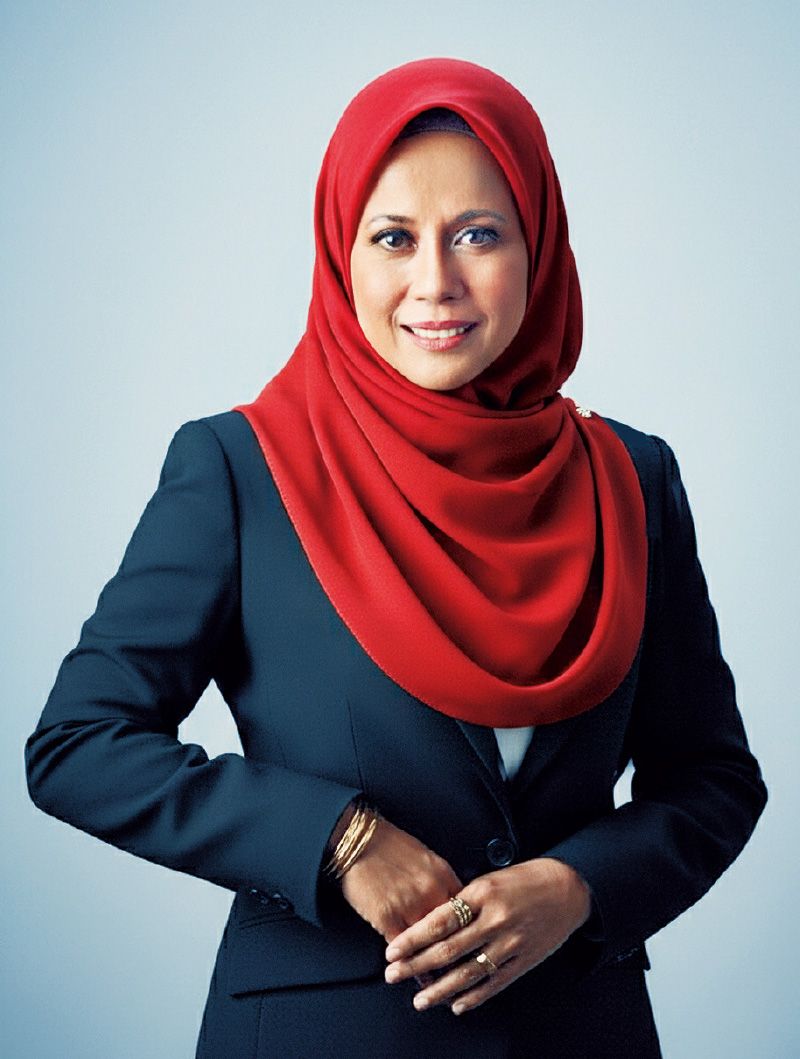
— Raja Datin Paduka Teh Maimunah Raja Abdul Aziz, Bank Islam Group CEO
An important part of this next phase is expanding Bank Islam’s reach among businesses and the wider communities and ecosystems they support.
Beyond providing financing, the Bank sees an opportunity to play a much larger role in helping businesses manage their day-to-day financial needs. Transaction banking will therefore be an important area of focus, providing solutions that help customers manage their cash flows, make and collect payments, facilitate trade and connect more effectively with their suppliers and customers.
This is particularly relevant for SMEs and businesses operating within Malaysia’s growing economic ecosystems. As these businesses expand, their needs extend beyond financing into payments, collections, liquidity management, trade and supply-chain solutions. Bank Islam wants to support that journey.
“For us, serving a business should not begin and end with providing financing. We want to understand how that business operates, how money moves through it, how it trades and where we can make banking simpler and more effective,” said Raja Teh.
The Bank is already building on established capabilities in business financing, sustainable finance, trade and supply-chain solutions. As of June 2026, its sustainable finance portfolio stood at RM33.4 billion, while more than RM700 million had been approved for over 150 vendors through its Vendor Financing Programme.
Bank Islam also sees social finance as an important way of supporting individuals and microentrepreneurs who may not yet be ready for conventional commercial financing. Through initiatives such as Sadaqa House and iTEKAD, the focus is on helping them build resilience, strengthen their livelihoods and work towards greater financial independence and participation in the formal economy.
Broadening our corporate financial solutions
For larger wholesale and institutional clients, Bank Islam is similarly seeking to deepen the breadth of its relationships.
The objective is to provide clients with a broader suite of corporate financial solutions encompassing financing, transaction banking, trade, capital markets, sukuk, investment banking and other advisory and financing capabilities appropriate to their needs.
This gives Bank Islam the opportunity to support customers at different stages of their development, from managing working capital and financing expansion to raising capital and accessing financial markets.
The Bank is also looking to deepen relationships across a broader corporate client base, complementing its established relationships with GLCs, GLICs and government-linked agencies.
These relationships can also extend beyond traditional banking. By bringing together customers, institutions and strategic partners into its social-finance ecosystem, Bank Islam can mobilise more resources towards initiatives that support communities, expand opportunities and deliver meaningful social impact.
At the same time, growth must remain commercially disciplined. Capital will be deployed where it can create meaningful value for customers while generating appropriate risk-adjusted returns.
“Success cannot be measured simply by how much financing we provide. What matters is whether we are building meaningful customer relationships and a quality, resilient business for the long term,” said Raja Teh.
Continuing to serve the rakyat
Broadening Bank Islam’s business and institutional franchise does not diminish its longstanding role in serving individuals and families.
Consumer banking remains an important part of the Bank’s mandate and identity. The objective is to ensure that customers can access Bank Islam in the way that best suits them, through its physical channels and increasingly through convenient digital channels.
The Bank’s physical presence remains particularly important in communities across Malaysia. Digital channels complement that reach by making everyday banking easier and more accessible. The two should not be seen as competing models.
“Our customers should not have to think about whether they are dealing with a physical bank or a digital bank. They should simply experience good banking: accessible, responsive and easy to deal with,” she added.
Serving the rakyat also extends to those who may sit beyond the immediate reach of conventional banking. Here, Islamic social finance has an important role to play.
Through Sadaqa House, Bank Islam channels social funding into areas including education, livelihoods and community development. The objective is not only to provide assistance, but wherever possible to help beneficiaries build sustainable livelihoods and greater economic independence.
“For me, this is where Islamic banking should distinguish itself. Social finance should not stop at giving. It should help people progress from assistance to resilience, to economic participation and, where possible, eventually into the mainstream financial system,” said Raja Teh.
Technology in the service of customers
That philosophy also shapes Bank Islam’s approach to technology.
The objective is not digitalisation for its own sake. Technology should be deployed where it can materially improve the customer experience by making banking simpler, faster and more convenient.
For customers, that should translate into easier onboarding, better access to services, faster turnaround times and more seamless transactions. For the Bank, technology and data can support better decision-making, greater operational efficiency and more responsive service.
Bank Islam will therefore continue to invest in technology, data and digital capabilities, but with a clear philosophy: technology must solve a customer or business problem.
“Technology is an enabler, not the destination. If it allows us to serve a customer better, respond faster or remove unnecessary friction from their experience, then it has value,” she added.
Building on trust
Ultimately, Bank Islam’s next chapter is about broadening the role it can play in the lives of its customers and communities, and in Malaysia’s economy.
For individuals and families, that means continuing to provide accessible, trusted banking through both physical and digital channels.
For businesses, it means going beyond financing to help them manage their cash flows, transact and trade more efficiently.
For wholesale and institutional clients, it means bringing together a broader suite of corporate financial solutions to support their increasingly sophisticated needs.
And through social finance, it means using the principles and instruments available to an Islamic bank to extend opportunity to communities that conventional finance alone may not adequately reach.