

Artificial intelligence is moving into the systems that power banking, public services, industry and critical infrastructure. But having the computing power to run AI is only part of the story. Malaysia also needs to secure its data, test how AI systems perform and know whether their outputs can be trusted.
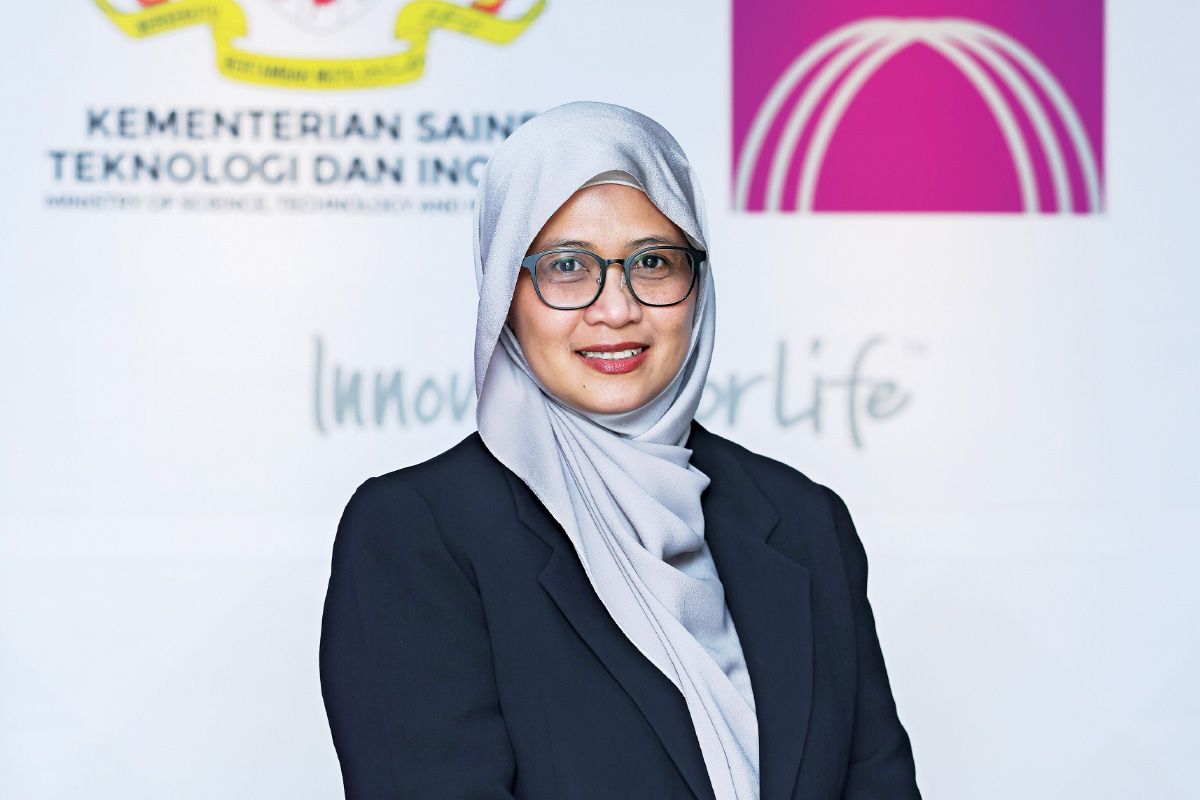
This is the role MIMOS Berhad is looking to play as Malaysia builds its own sovereign AI capabilities, with Group Chief Technology Officer Dr Zulaikha Kadim working across areas including deepfake detection, AI-driven cybersecurity, trusted digital identity and cognitive AI.
As AI takes on bigger, higher-stakes roles, it can no longer be judged simply by how fast or intelligent it is, she says. Its outputs must also be accurate, secure, explainable and accountable.
“AI is no longer used only to generate text or images. It is increasingly being embedded into systems that influence decisions in public services, industry, finance and critical infrastructure,” she points out.
In other words, AI now has to be checked and proven, not just made faster or smarter. That is the idea behind Digital Trust: being able to rely on what a digital system tells you, whether a transaction is genuine, a person is who they claim to be, or a record has not been changed.
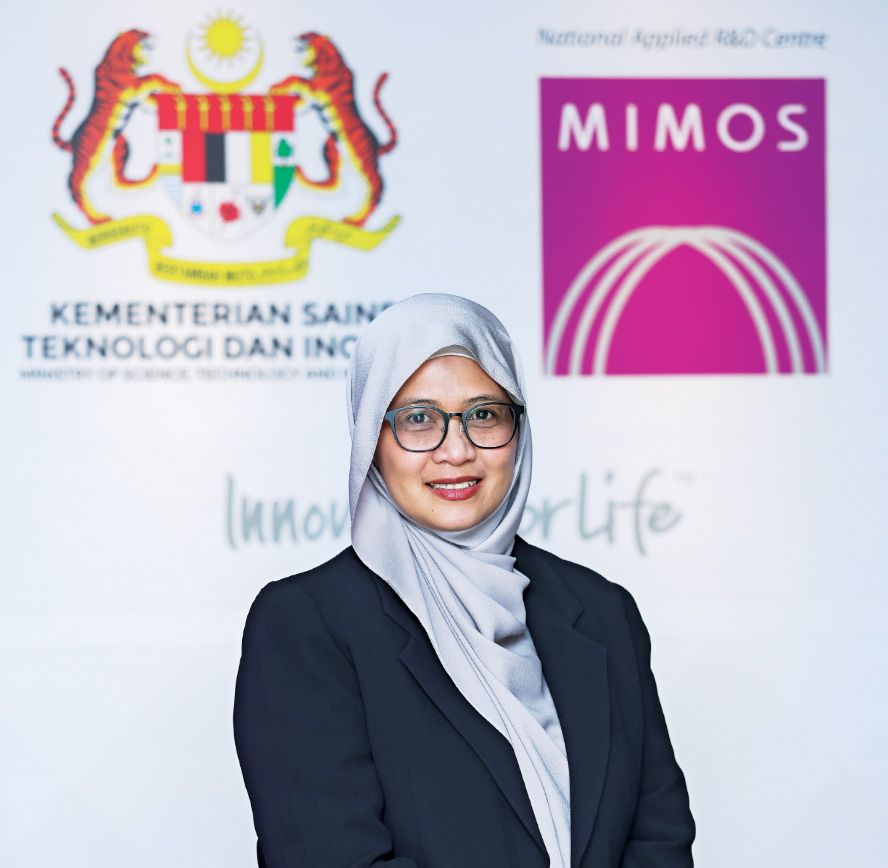
MIMOS is developing these digital trust capabilities through its Trusted Intelligence Platform, as part of its efforts to turn national priorities into technologies that can be tested locally. The two concepts are closely linked, but Zulaikha says they serve different purposes.
“Digital Trust is the confidence that people and organisations have in a digital system, transaction or AI-supported decision. They need to know that the system is secure, that the information has not been altered and that the identity or content involved is genuine,” she explains.
That work is aligned with Malaysia’s broader push to build trusted and sovereign AI capabilities, with MIMOS translating national priorities into technologies that can be developed and tested locally.
Under the 13th Malaysia Plan (RMK13), MIMOS is developing blockchain-secured trusted logs, deepfake detection and AI-driven cybersecurity, as well as Mi-Muallim, which detects deviations in verified content. The work also extends to cognitive AI for vision and robotics.
Deepfakes are one area where the technology is being put to the test. MIMOS is developing detection tools while studying how synthetic and manipulated content is created, allowing researchers to understand how quickly the technology behind such manipulation is evolving.
“MIMOS is addressing deepfakes from both the defensive and research perspectives. Under RMK13, we are developing AI-based detection technologies to assess multimedia integrity, while researching generative AI to understand how synthetic and manipulated content is created,” says Zulaikha.
But detection alone is not enough. She says the technology also has to work in Malaysia, where language, accents and demographics can differ from the data used to train overseas models.
“Localisation is equally important. Detection models developed overseas may not perform consistently with Bahasa Melayu, mixed-language conversations, Malaysian accents or our diverse population,” she adds.
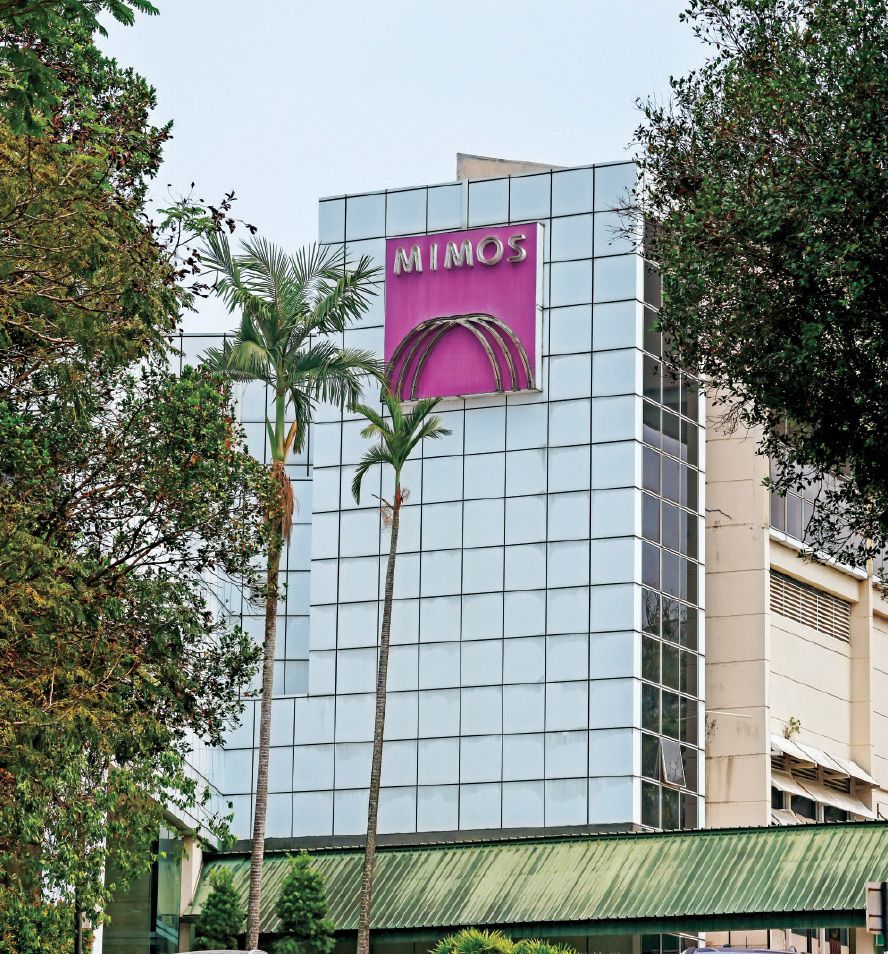
This means building local datasets and testing methods to give organisations evidence they can use in investigations, risk assessments and operational decisions. From there, MIMOS takes the technology into controlled proof-of-concept projects with users, testing how it performs in real operating environments before wider deployment.
“Their feedback also allows us to refine the technology around genuine requirements rather than assumptions made by researchers. Therefore, the objective is not to conduct a showcase for its own sake. It is to generate evidence, confirm the value proposition and create a credible pathway towards adoption and commercialisation,” says Zulaikha.
That approach also shapes how MIMOS works alongside global technology providers as Malaysia expands its cloud, data centre and computing capacity. Sovereignty does not mean shutting out global technology, but retaining control over sensitive data and critical AI capabilities, she says.
“Global technology providers give Malaysia access to advanced cloud infrastructure, computing platforms, foundational AI models and global innovation networks. We should benefit from their speed, scale and investment. However, Malaysia must retain the ability to protect sensitive data, verify how an AI system performs in our environment and decide which workloads should remain local or on-premises,” she adds.
MIMOS therefore takes a hybrid approach to computing, combining its own on-premises graphics processing units with secure cloud resources and infrastructure from strategic partners. Sensitive workloads can remain in controlled local environments, while larger workloads can use external infrastructure where appropriate.
For Zulaikha, sovereignty ultimately comes down to more than who owns the hardware.
“The important point is that sovereignty is not determined only by who owns the hardware. It also depends on whether Malaysia retains control over its data, models, security requirements and critical AI capabilities,” she says.
The longer-term opportunity is to turn those capabilities into platforms, standards and assurance services that can be deployed beyond individual projects.
“If we can convert these capabilities into repeatable platforms, standards and assurance services, Malaysia can support both domestic adoption and regional deployment. The opportunity is larger than becoming a user or host of AI infrastructure,” says Zulaikha.
“Malaysia can become a regional location where high-impact AI and digital content are independently tested, validated and trusted. That is where technological sovereignty can translate into economic value.”
For more on MIMOS’ applied research and development work, visit mimos.my.