

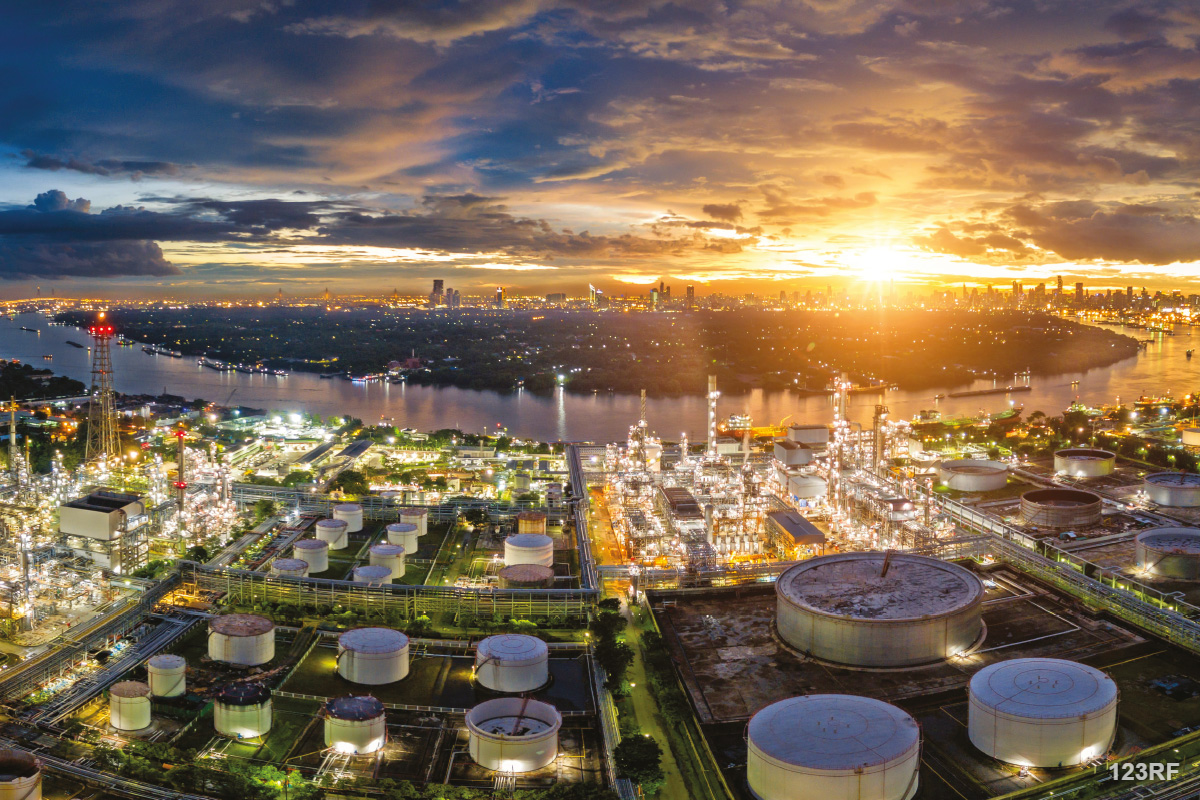
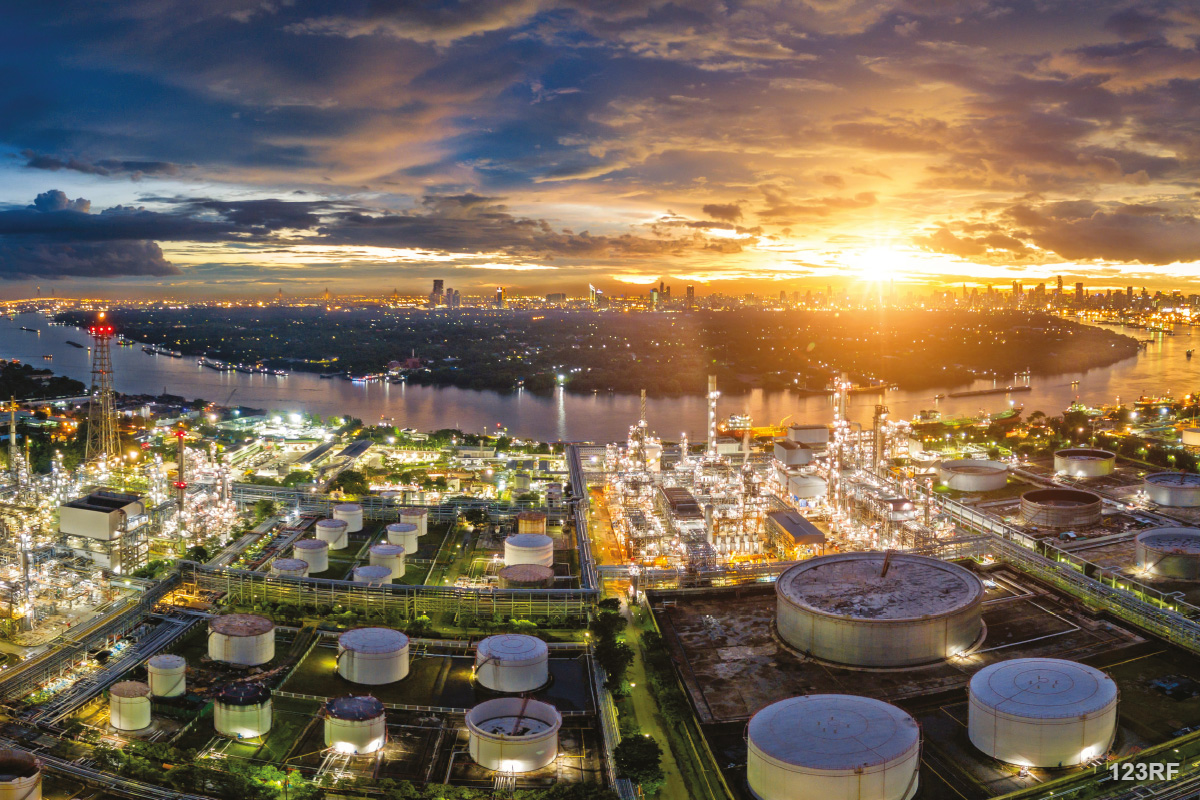
The role of natural gas in the energy sector has undergone tremendous transformation since the late 20th century, and is now poised to take the front row seat to drive the low-carbon energy transition in Malaysia.
The Malaysian Gas Association (MGA), which is celebrating its 40th year anniversary this year, has witnessed these changes over the years, and is ready to bring industry players forward to the next stage of growth, guided by the Natural Gas Roadmap (NGR) and industry needs.
MGA was formed in 1986 by leading global oil and gas companies, including PETRONAS, Shell, Esso, BP and Caltex, to become an advocate for the natural gas industry and bring industry players together to work towards a common vision. Its purpose is to facilitate the growth of the sector in Malaysia by positioning natural gas as a clean and efficient source of energy.
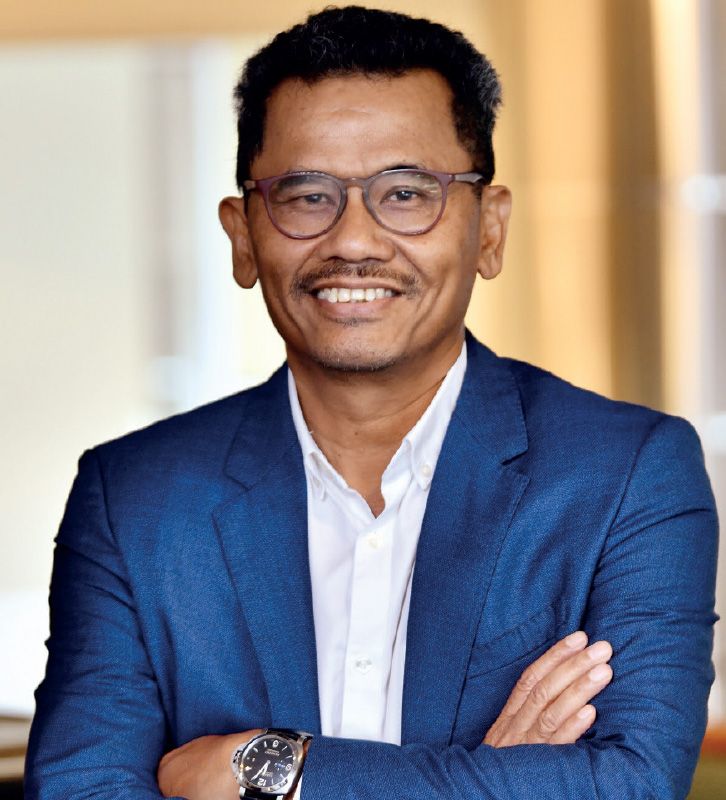
“MGA’s vision has evolved from helping to build Malaysia’s gas industry to helping to shape how gas supports Malaysia’s energy security, competitiveness and lower-carbon future,” says MGA president Abdul Aziz Othman.
Malaysia’s gas industry has expanded alongside industrial and economic development over the past four decades. When MGA first started, the priority was to build the industry’s foundations to meet industrial needs.
In recent years, the emerging focus on the transition to a low-carbon economy — and the subsequent demand for energy sources with less carbon emissions — has given the natural gas industry a new role to play.
“Today, the landscape is much more complex. The gas industry, not only in Malaysia but also Asean and globally, is no longer about only expanding supply but also balancing energy security, affordability, sustainability, competitiveness and long-term resilience,” says Abdul Aziz.

The importance of the sector is highlighted in the NGR, which shall be approved by the Cabinet. The National Energy Transition Roadmap (NETR) laid out Malaysia’s path to wean off coal and increase reliance on natural gas as a main energy source; the NGR formalises the role of natural gas as a transition fuel and redefines how it is priced, supplied and regulated nationwide.
According to the NETR, natural gas is designated not only as a transitional fuel but also the primary contributor of total primary energy supply (TPES) at 56% by 2050. In 2020, it contributed to 42.4% of TPES.
This evolving landscape has redefined MGA’s role into a national platform that brings together policymakers, regulators, infrastructure players, investors and industry stakeholders to support alignment across the ecosystem.
“Positioning natural gas as a clean and efficient source of energy reflects that wider transition. As Malaysia moves towards a lower-carbon future, gas being a reliable and flexible energy source continues to play an important role as it supports industries and power system stability,” says Abdul Aziz.
“As we enter our 40th year, the focus is not only on how far the industry has come, but also on how it prepares for a future that is more interconnected, more competitive and more uncertain.”
MGA as a crucial convener
In recent years, the government has announced plans for new regasification terminals to bring in more gas imports, as industries gradually shift to natural gas to reduce their energy emissions, and new industries such as data centres demand significant energy from the grid.
The gas industry is readying itself to adapt to new trends, just as it has done in the past four decades.
For instance, following the implementation of the Four-Fuel Diversification Policy to reduce reliance on oil and the development of the Peninsular Gas Utilisation system in the 1980s, liquefied natural gas (LNG) export facilities, regasification terminals and more extensive pipeline networks were developed.
This supported power generation and contributed to gas-fired power generation comprising around 43% of Malaysia’s installed capacity today. This stable source of power also supported growth in the petrochemicals, steel, glass and rubber manufacturing industries.
Another pivotal moment was the gradual transition away from fixed gas pricing, which was advocated by MGA, with the goal of creating a more market-driven pricing mechanism.
MGA also supported the implementation of the Third-Party Access (TPA) in 2017, which significantly opened up Malaysia’s gas market and allowed for broader participation of qualified players to access key infrastructure in a transparent manner.

These measures promote liberalisation of the market, which will boost supply, introduce more competitive pricing and ensure resource security, while building up the capacity of industry players.
“Throughout these shifts, MGA has consistently provided a platform for industry collaboration across the value chain and ensuring industry perspectives are heard as policy, market and infrastructure decisions evolve,” says Abdul Aziz.
With the NETR and NGR in place, MGA will help navigate the path ahead for the industry, as it deals with challenges such as declining local gas reserves amid increasing demand, to meet the decarbonisation needs of both Malaysia and businesses.
“This role remains important as the sector moves from a period of domestic abundance to one shaped by tighter domestic supply, greater reliance on LNG imports and rising decarbonisation expectations,” says Abdul Aziz.
For MGA, advocacy is no longer just about growth, but also about helping the industry to navigate this transition responsibly and ensuring reliability, affordability, competitiveness and long-term sustainability.
Preparing for energy security and connected markets
The energy transition is a complex journey to navigate, especially as external events like wars and geopolitical tussles pose challenges and disruptions to the global energy supply.
Renewable energy sources like solar will grow, but its intermittent nature means grid flexibility and infrastructure readiness are crucial. Natural gas is expected to complement these renewables and provide the steady base load energy.
But at the same time, global energy markets have become more volatile and interconnected, and Malaysia’s gas industry will have to become more resilient and flexible in response.
“Energy security today is no longer just about whether supply exists. It also involves logistics resilience, infrastructure readiness, shipping exposure, pricing volatility and long-term system flexibility,” says Abdul Aziz.
For instance, LNG importers in Asia have to deal with risks related to key shipping routes such as the Strait of Hormuz, which directly affects freight costs, insurance premiums and broader supply stability.
In response, Malaysia’s industries have to continue strengthening infrastructure readiness, diversify supply sources and enhance market flexibility.
“Pipelines, regasification capacity, storage capability and efficient infrastructure planning are becoming more important to the wider energy security discussion,” he says.
On the other hand, connectivity between markets and regional coordination are also crucial, as many countries in the region are confronting similar pressures. With interconnected energy systems, countries can strengthen resilience and manage long-term system flexibility and robustness together, especially as increasing amounts of renewable energy are added to the grid.
The Asean Power Grid, which is an initiative to integrate the power infrastructure of nations in the region and allow for cross-border electricity trading and sharing of renewable energy, is an example.
“For Malaysia, regional collaboration matters not only from an energy perspective, but from a competitiveness standpoint as well. Asean’s transition pathway will depend heavily on how effectively countries coordinate infrastructure, investment and long-term planning across the region,” says Abdul Aziz.
Digitalisation and emissions management are key
These are trends that industry players also observe and are eager to play their part to stay relevant and competitive. They see opportunities to provide next-generation solutions that are digitalised and release less carbon emissions, and invest in new technologies like carbon capture, utilisation and storage (CCUS) in Malaysia.
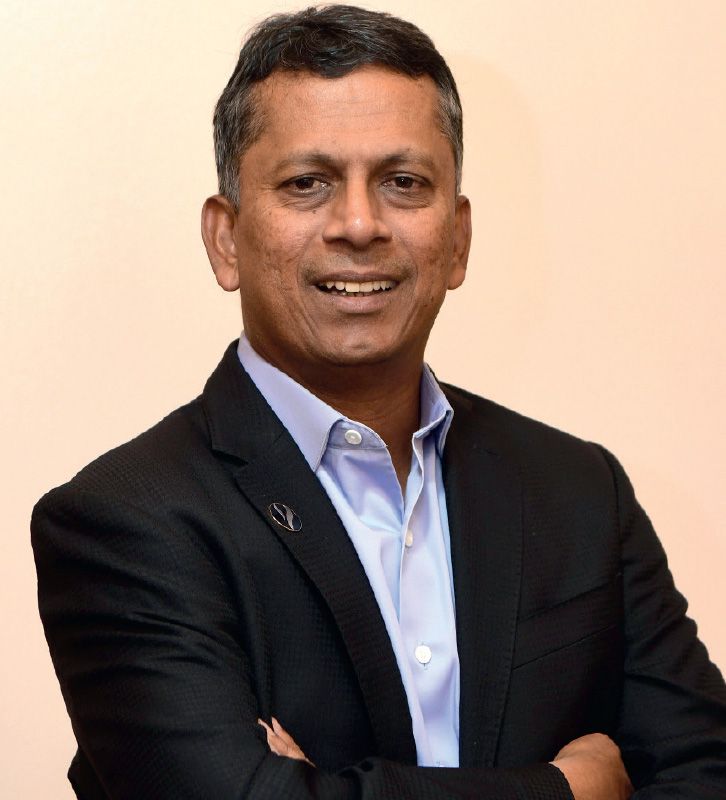
“Going forward, we believe a combination of technologies, operational improvements and lower-emission solutions will shape the future of the gas and energy sector,” says Ramanrao Abdullah, group CEO of Deleum Bhd.
In the near term, digitalisation and methane management will deliver the most immediate impact. The former enhances operational efficiency, while the latter is one of the most effective ways to lower emissions across the oil and gas value chain.
“Over the medium term, technologies such as cogeneration and infrastructure optimisation will play an increasingly important role in improving system efficiency, reliability and overall energy utilisation,” says Ramanrao.
In the long term, technologies including CCUS and hydrogen will become more prominent, he adds, as policy frameworks mature and deployment scales up, especially in hard-to-abate sectors.
Deleum is positioning itself in this transition by deploying solutions that can deliver measurable outcomes today.
“Technologies such as SEDaR enable real-time monitoring and better operational decision-making, while solutions like SC-Dsludge support resource recovery and waste reduction. These solutions enhance operational efficiency and reliability while supporting customers’ longer-term decarbonisation objectives,” says Ramanrao.
Deleum’s approach to the energy transition is to evolve its existing capabilities, rather than reinventing the business. This means strengthening its core capabilities, while progressively expanding into areas such as energy efficiency, digitalisation, emissions monitoring and selected lower-carbon solutions that can support its customers’ transition priorities.
These are guided by Deleum’s Sustainability Roadmap 2025-2029, which includes its targets to achieve carbon neutrality by 2035 and net zero by 2050. The goals are embedded in its governance, operational key performance indicators and investment decisions.
“We have already begun implementing practical solutions, including solar installations, pilot deployments of hydrogen-based fuel enhancement technologies, which have delivered improved fuel enhancement technologies, and digital solutions such as SEDaR (digital slickline) to improve operational efficiency and reductions in Scope 1 emissions,” says Ramanrao.
“Ultimately, our focus is on supporting the energy transition through practical, commercially viable and execution-driven solutions that enhance reliability, efficiency and emissions performance, while progressively building the capabilities required for Malaysia’s longer-term energy transition.”
Future readiness in Malaysia’s gas industry, in Ramanrao’s view, will depend on coordinated progress across infrastructure, talent, technology adoption, policy clarity and ecosystem collaboration.
The country already has a well-developed system with over 2,600km of gas pipelines and capacity of around 3,500 mmscfd. Continued investments in pipelines, regasification facilities, storage capacity and digital infrastructure will be needed to support reliability, flexibility and supply security.
Ramanrao also highlights workforce development as a priority. “As operations become more digital and data-driven, the industry will require stronger capabilities in analytics, automation, digital technologies and sustainability-related disciplines, alongside traditional engineering expertise,” he says.
Apart from that, policy certainty and investor confidence are critical for Malaysia’s gas industry to navigate the path ahead. For Deleum, it will continue to build internal capabilities, particularly in digital technologies, sustainability and execution excellence.
“Ultimately, stronger collaboration across regulators, operators, service providers and technology partners will be essential to ensure the ecosystem remains resilient, competitive and aligned with Malaysia’s long-term energy priorities,” says Ramanrao.
Implementing CCS and flare reduction initiatives
Similarly, PTT Exploration and Production PCL (PTTEP) is committed to net zero emissions by 2050 for Scope 1 and Scope 2, and to reduce methane emissions via its participation in the Oil and Gas Decarbonisation Charter.
CCS, flare reduction, energy efficiency improvements and digitalisation are its key strategies. For instance, PTTEP is utilising digital technologies, data analytics and advanced offshore engineering, including Not Normally Manned facilities, to streamline operations, improve decision-making and support sustainable growth.
Meeting future gas demand will require continued development of more complex resources, observes Vitoon Chaisomboonpan, country manager of PTTEP Malaysia, including stranded gas and reservoirs with higher CO2 content, which involve higher technical and commercial complexity.
“This highlights the importance of efficient resource development, operational excellence and project execution capability,” says Vitoon.
PTTEP views CCS, digitalisation, artificial intelligence, methane emissions management and energy efficieny technologies as key enablers of future business resilience, operational excellence and decarbonisation efforts.
“PTTEP’s experience shows that meeting growing energy demand while supporting decarbonisation requires a balance of technology, operational excellence and a supportive policy environment,” says Vitoon.
This includes continued investment in lower-emission technologies and operational improvements that enhance efficiency while maintaining reliable energy supply, he adds.
For instance, in PTTEP’s SK405B and SK309/SK311 developments, the company incorporated design considerations aimed at improving operational efficiency and reducing emissions intensity, including reduced flaring and operational optimisation measures.
“In Malaysia, PTTEP continues to develop offshore gas resources through selected developments incorporating lower-emission design considerations and operational optimisation measures. At the same time, the company’s producing assets continue to support gas supply and LNG value chain requirements, reinforcing the role of natural gas in supporting Malaysia’s energy security,” says Vitoon.
Malaysia’s gas industry players continue to evolve to meet industry needs, and MGA is committed to support their efforts to do so for the next decades.
“MGA is positioning the industry around a practical transition approach that supports decarbonisation while recognising the realities of system reliability, infrastructure readiness, affordability and growing demand,” says Abdul Aziz.
“The question is no longer whether the transition will happen, but how to deliver it in a way that is orderly, affordable and reliable. This is where MGA believes industry alignment and early preparation matter most.”