

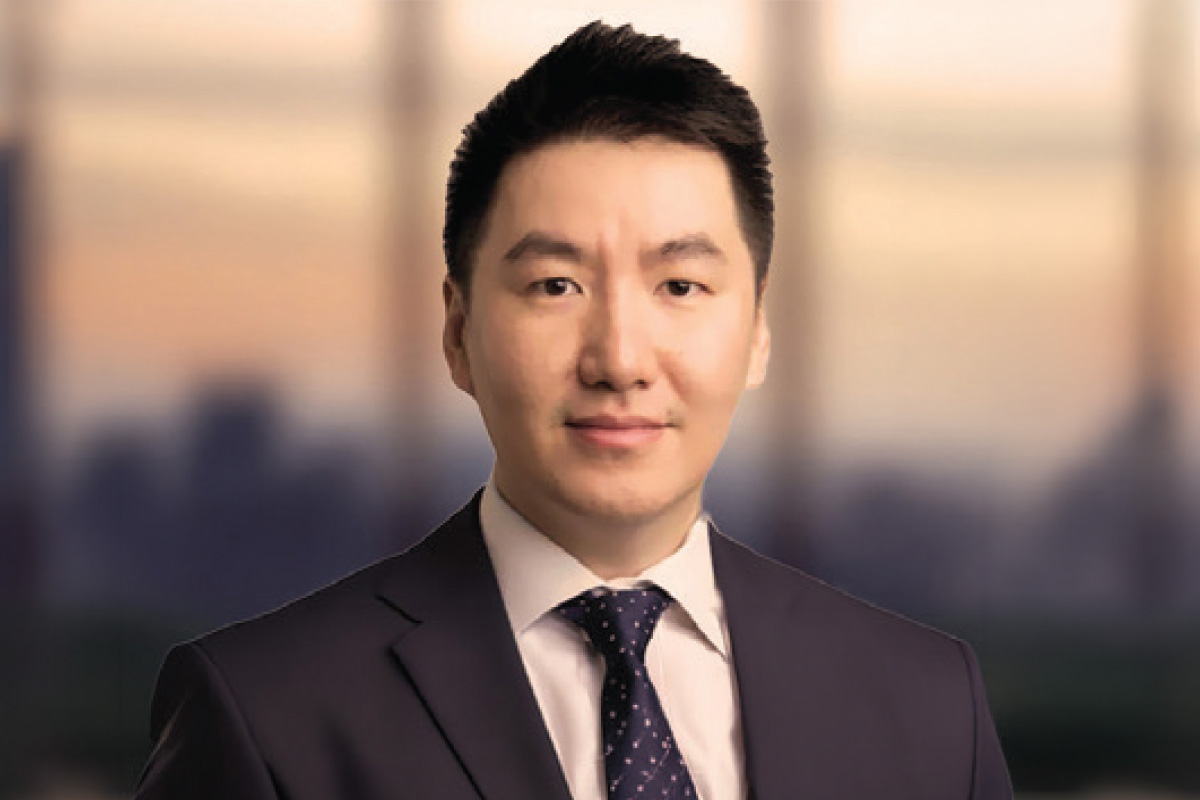
Chief Investment Officer, Asia,HSBC Private Bank and Premier Wealth
Key takeaways:
• AI remains an important potential driver of earnings growth, broadening opportunities across sectors, while rising security spending, energy independence and other structural trends add further momentum.
• Quality bonds have attracted attention because of their yields and potential diversification characteristics, but remain subject to interest-rate, credit and liquidity risks, and their performance may vary across different market conditions.
Desmond Kuang, Chief Investment Officer for Asia at HSBC Private Bank and Premier Wealth, shares his perspective on the factors influencing the current investment landscape as 2026 moves through the final quarter.
Investors are navigating a crowded mix of narratives, from geopolitical tensions and supply chain disruption to energy price volatility, inflation uncertainty and the continuing debate over AI. Yet beneath the noise lies a constructive backdrop, supported by resilient economic growth and strong corporate earnings across regions, especially in the US.
AI remains an important potential driver of earnings growth, with increasing attention on businesses that can convert capabilities into sustainable revenues. Applications are expanding across robotics, automation, healthcare and consumer services, while cloud services, semiconductors and AI-enabled applications remain areas of focus. AI capex is another potential driver, estimated to exceed USD1 trillion in 2027 and support earnings across the wider ecosystem. Outcomes and valuations may vary significantly by company and market.

Beyond AI, rising security budgets, energy independence and US re-industrialisation are creating new demand for infrastructure, financing, raw materials and energy across regions. Financials, Materials and Energy, may benefit from increased spending on security, energy, infrastructure and the AI build-out. However, the potential effects may vary depending on the market, company and prevailing economic conditions.
This wider opportunity set and the uncertainties ahead highlight the value of diversification. Quality bonds may offer income potential and stability, while yields in selected markets may be higher than previous periods. Infrastructure and dividend-paying stocks represent potential sources of income, while gold and alternative assets have historically behaved differently from traditional assets during some periods of market stress.
Asia’s role in the global technology supply chain, rapid innovation and diverse local drivers remain long-term structural features. Hong Kong equities are supported by increased liquidity in the region, return on equity is expected to rise from approximately 11% in 2025 to around 17% by 2027.
Looking ahead, the unresolved situation in the Middle East, persistent inflation uncertainty and the US midterm elections are likely to keep markets volatile. However, the global economy and corporate sector have proven more resilient than expected, suggesting that the positives outweigh the negatives.
Source: Based on Investment Outlook: HSBC Perspectives Q4 2026. The full article is available on the HSBC Malaysia website.

Issued by HSBC Bank Malaysia Berhad [Reg No. 198401015221 (127776-V)] (“HSBC”). For persons in Malaysia only. The views in this article are those of the Chief Investment Officer for Asia, HSBC Private Bank and Premier Wealth and not of HSBC Bank Malaysia Berhad. This article is for general information only and is not investment advice or a recommendation to buy, sell or hold any investment. Please note that HSBC cannot be held responsible for any losses, damages, or other consequences that may result from using or relying on this article. HSBC Malaysia awarded as “Best Wealth Manager” by The Asset Triple A Private Capital Awards 2026.