

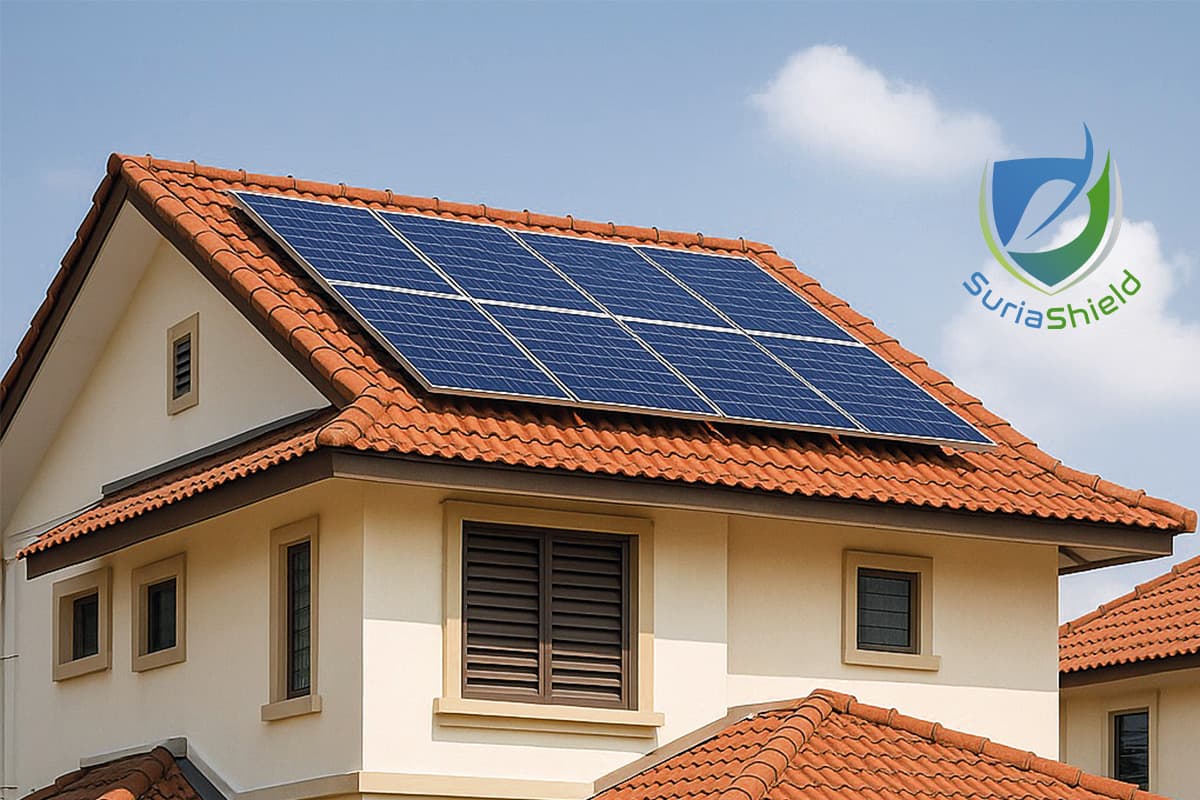

Thanks to initiatives such as the Feed-in Tariff (FIT) and Net Energy Metering (NEM) by the government, the solar photovoltaic (PV) power take-up rate by individuals and businesses has seen an increase over the years. This strongly signals a greater awareness of the benefits of clean energy among Malaysians keen on doing their part to realise the country’s environmental, social and governance (ESG) goals.
The quota for solar technology is no longer available under FIT as it has been replaced by the NEM scheme, but there are 9,485 feed-in approval holders with solar PV systems. Whereas for NEM 3.0, the take-up rate is currently over 76% of the total quota offered at 2,500MW for individuals, businesses and government agencies. This is based on the quota approved by the Sustainable Energy Development Authority (SEDA) since it commenced in 2021.
According to the records of Tenaga Nasional Bhd (TNB), the total number of NEM customers stands at 82,000, with a total capacity of 1,665 MWac as at May 31. The majority of NEM customers (89%) are residential consumers.
While it is encouraging to see an increased take-up rate for rooftop solar PV, the industry also needs to take into account the maintenance and repair costs, which can be a significant sum and potentially act as a deterrent to future customers.
Residential solar PV insurance

— Ir Mohd Razif Abd Halim,
TNBX managing director
When the solar system is damaged or rendered unable to perform at its optimal performance, the affected customers lose their green source of energy due to the system’s inability to produce electricity. This means they would need to import more from the grid, thereby impacting their electricity bill.
To address the potential risk of damage or prolonged downtime of solar power generation, TNBX Sdn Bhd, a wholly-owned subsidiary of TNB, has stepped in with a solution to help alleviate the potential financial burden.
SuriaShield, promoted and marketed by TNBX Sdn Bhd (TNBX), is a specialised insurance policy for residential customers in Malaysia with rooftop solar PV installed on their houses. This unique insurance coverage solely for solar solutions offers 360° protection with comprehensive coverage against extreme weather and disasters, including fire, lightning, explosion, natural disasters, theft or malicious damage, accidents, rat bites, power surges and loss of income or savings when the PV system is down.
TNBX collaborated with Allianz General Insurance Company (Malaysia) Bhd and Anora Agency to offer SuriaShield. Under the tripartite collaboration agreement, Allianz General and Anora are to develop and underwrite SuriaShield for TNBX, which offers solutions in renewable energy and energy efficiency for homes and businesses.
Protecting solar PVs for future generations
So far, the common claims received have been for damaged solar panels from falling objects like tree branches and rodents biting the cables connected to the PV system. As per the usual insurance claims process, a claims adjuster will inspect the damage and determine the estimated repair or replacement costs.
“There is no minimum amount for the claims made and the total amount claimable is up to the sum insured under the plan purchased by the policyholder. For instance, the estimated cost to replace a solar inverter ranges from RM3,000 to RM7,000, whereas replacing solar panels ranges from RM500 to RM900 each,” says TNBX managing director Ir Mohd Razif Abd Halim.
While interest in adopting solar power has increased in recent years, the willingness to invest in protecting their solar investment is still minimal. TNBX has sold almost 1,300 SuriaShield policies to residential policyholders to date.
It has also partnered with its sister company, GSPARX Sdn Bhd, another wholly-owned subsidiary of TNB, to offer its customers a year’s free insurance for their solar installation.
Razif says SuriaShield insurance covers rooftop solar PV and solar inverters below 10 years old from the date of installation. It excludes claims undertaken by the manufacturer’s warranty — general wear and tear in the form of rust or mildew — and loss of savings due to manufacturing defects or covered under warranty, among others.
While the solar insurance space is still new, Razif foresees more opportunities from bundling solar insurance policies with solar PV installers and offering insurance coverage across the solar PV value chain.
With the increasing focus on ESG by both individuals and the business community, protecting their solar investment is the next step towards mitigating their sustainability risks. Policies like SuriaShield could pave the way for more embedded insurance in energy-as-a-service ecosystems, he says.

It is also a signal to investors and policymakers to focus on infrastructure readiness as it now needs to include risk-mitigation tools. Razif says there is also untapped business potential as the adoption of SuriaShield’s concept can be extended to other modules, such as for electric vehicle charging.
“Recent events, from unpredictable weather to incidents like the recent gas explosion, remind us how vulnerable our surroundings can be. While solar PV systems are a smart move towards cleaner and greener energy, they are still exposed to risks,” he says.
“That’s why protecting your system with the right insurance isn’t just wise, it’s essential. With SuriaShield, you’re protecting your rooftop solar PV system and securing peace of mind. Protecting your solar investment today means powering your future with confidence.”
For businesses looking to protect their rooftop solar installations from loss of savings or damages, Razif welcomes them to join the community of protected solar-powered premises. Businesses are encouraged to get in touch with TNBX for a customised quotation, as every building has its unique and varying risk profile.
For more information, please visit here.