

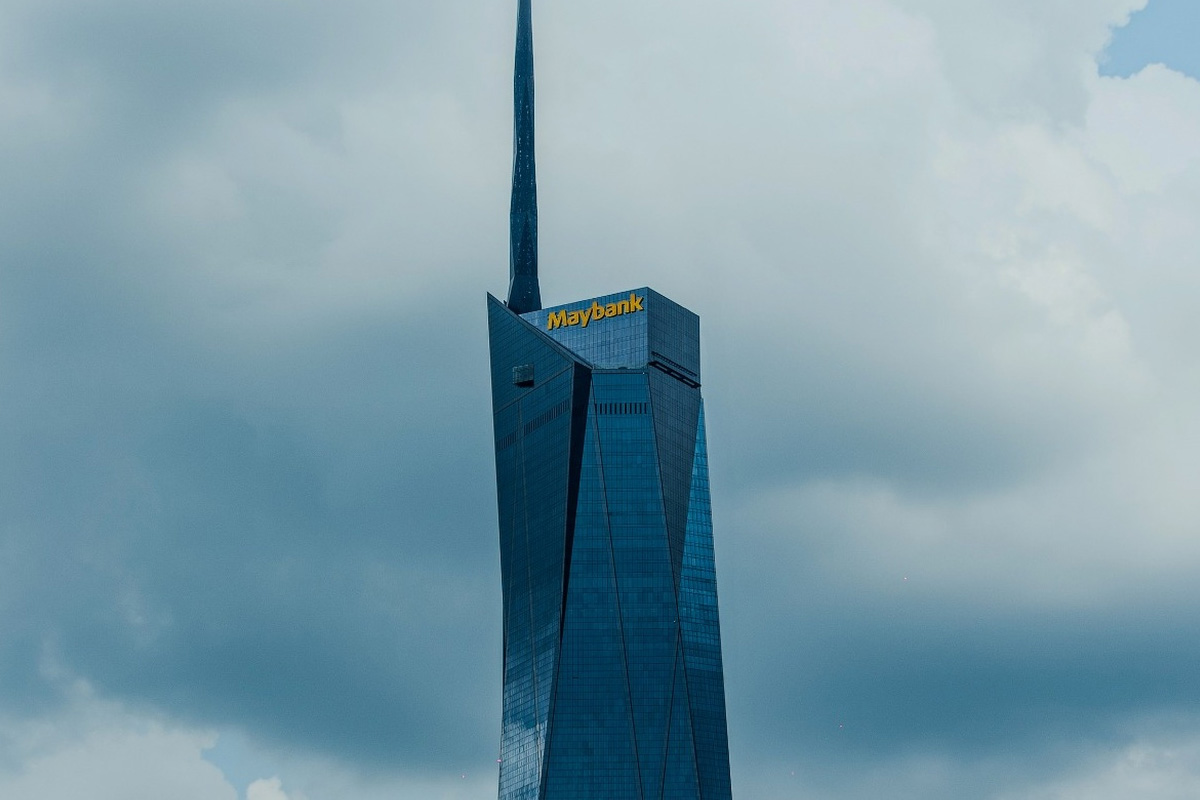
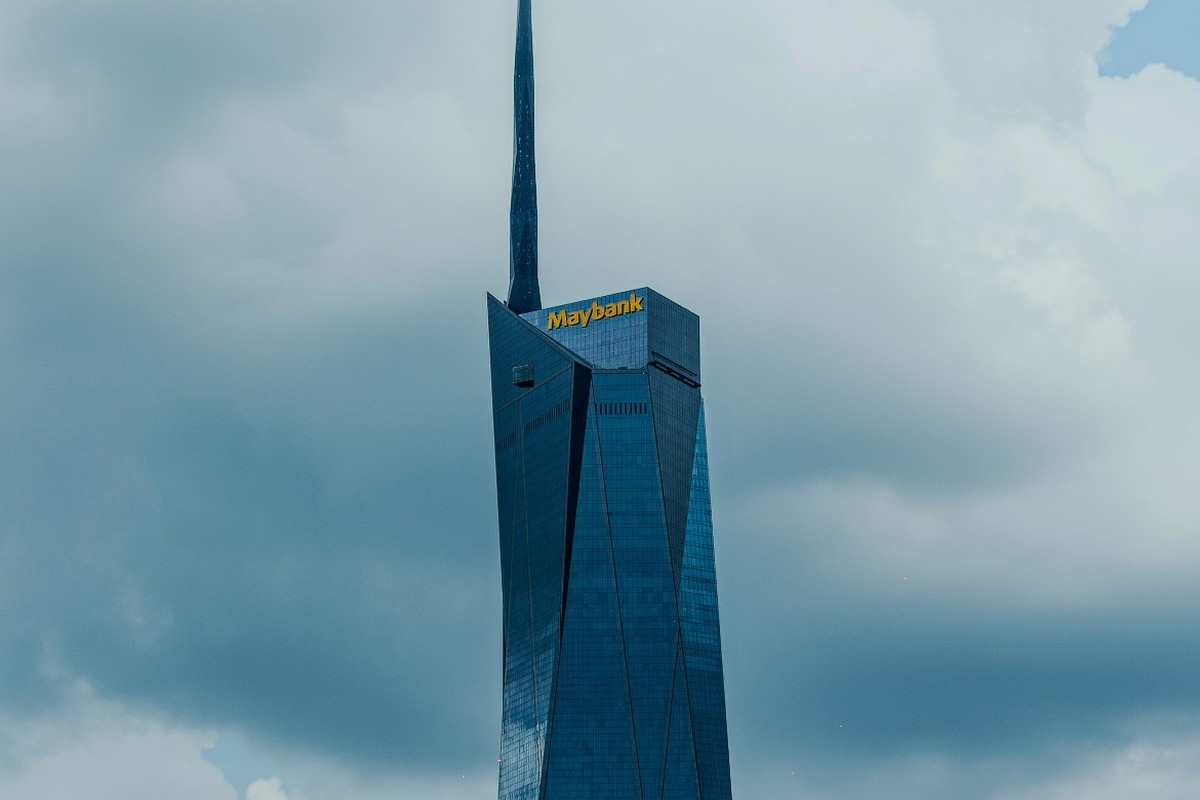
The landmark on Kuala Lumpur’s skyline reflects ambition. The lives unfolding beneath it reveal what progress is really for.
Before the skyline fully wakes, Malaysia is already moving. A small business owner lifts the shutters. A delivery rider checks the day’s route. A parent sends money to a child. In a rural classroom, a student settles into a lesson that may change what feels possible. None of these moments will become a national monument, yet together they show what progress looks like: people gaining more ways to learn, earn, build and move forward.
That everyday movement is where Merdeka continues to find meaning. It gives Malaysians a reason to look back at how far the country has come, but it should also return the story of progress to the people who live it. Towers can express ambition. A nation, however, is strengthened much closer to the ground, through the opportunities available to families, entrepreneurs and communities.
Maybank’s story began at almost the same moment as modern Malaysia’s. The bank was incorporated on 31 May 1960, less than three years after independence, and began operations on 12 September that year. It has since grown alongside the country through decades of social, economic and technological change.
As Malaysia changed, access had to change with it. Counter service expanded to ATMs; banking hours gave way to round-the-clock access; payments once tied to place began moving in seconds. In 2000, Maybank2u.com made Maybank the first Malaysian bank to offer internet banking. By 2025, the group had 10.81 million three-month active digital users and facilitated 3.88 billion digital transactions. At a human level, those figures mean time returned to people: bills settled between meetings, payments received immediately and money sent to family without a trip across town.
For Malaysian businesses, access can determine whether an idea stays small or finds room to grow. Behind every familiar name is someone who once took a risk on a first order, a first customer or a first employee. In 2025, Maybank disbursed more than RM14 billion in SME loans across key markets and served more than 893,000 SME customers across ASEAN. Its Sama-Sama Lokal initiative, launched in 2020 to help microenterprises digitise, addressed a more immediate need: helping small businesses reach customers when their usual ways of selling were no longer enough.
For Sour N Spicy HomeTaste, access became a matter of survival. When MCO restrictions sharply reduced footfall and revenue at the stall where Robert Chong and Vivian Ong sold their Hakka dishes, the couple had to find another way to reach customers. Sama-Sama Lokal gave them an online route without commission cutting into their earnings. They later reported a 70% increase in monthly sales and hired additional staff to manage the growing order volume.
For HOKIDO Shop, the challenge was time. Co-founder Aliaa Mohamad Ziyadi expected halal certification to take up to 18 months. Through Maybank Islamic’s Halal2u programme, it was completed in three, without an upfront fee. The baby and toddler food brand could move forward sooner. HOKIDO later reported higher sales and demand, and by 2025, it was bringing its products to a wider audience at MIHAS Shanghai. Where Sour N Spicy needed a way to keep selling, HOKIDO needed a faster route into a larger market.
Yet access alone does not create progress; people also need the confidence and capability to use it. In 2025, CashVille Kidz brought financial education to 60,666 students, while the MARK Programme supported 1,400 students across eight rural Malaysian districts in science, technology, engineering and mathematics. The R.I.S.E. programme reached another 9,798 participants across six ASEAN countries, helping people with disabilities and other underserved groups build more sustainable livelihoods.
For Suzita Enis Sukri, the missing piece was consistency. After losing much of her hearing, she started selling homemade snacks during the MCO. The business found customers among friends, but lacked the pricing, financial planning and wider reach needed to grow. Through R.I.S.E., she began putting more structure behind her work, introduced new products and formed partnerships with cafés and local businesses. As orders grew, she hired a part-time worker and two sales agents.
Stories like these give the larger numbers their meaning. Across its social financing and empowerment initiatives, Maybank reported uplifting 1.49 million lives in 2025, backed by RM29.41 billion in social impact investment. The figures do not make Maybank the hero of Malaysia’s story, nor do they replace the work of communities, educators, businesses or the public sector. They show what becomes possible when the reach of a financial institution is placed behind practical needs.
Seen from this ground-level perspective, Menara Merdeka Maybank at the Merdeka 118 precinct becomes more than a headquarters. The tower reflects how visibly Malaysia can stand on the world stage, but it also carries a responsibility: to remain connected to the streets, towns, classrooms and businesses that made such progress possible. Being rooted means continuing to make finance easier to reach, helping businesses adapt and building capability as the country’s needs change.
A nation does not rise through monuments alone. It rises through people finding more ways to learn, earn and build their next chapter. The most meaningful view from the tower, then, may not be the one from the top, but the one looking outward across a country still moving forward. Malaysia will keep rising through its people. Maybank’s role is to keep rising with them, as a partner in the journey and never the centre of it. That is how a nation stands tall: from the ground up, and together.