

The value of capital is often measured by the returns it generates. Yet, how those returns are created matters just as much. For Bank Islam Malaysia Bhd (Bank Islam), financing goes beyond providing capital. It is about enabling businesses to grow, widening participation in the economy and creating sustainable value for customers, communities and the nation.
Grounded in the principles of Maqasid al-Shariah, Bank Islam seeks to generate lawful and sustainable returns through financing that supports Shariah-compliant activities. This approach aims not only to deliver financial value, but also to promote societal well-being, prevent harm and contribute to sustainable economic development.
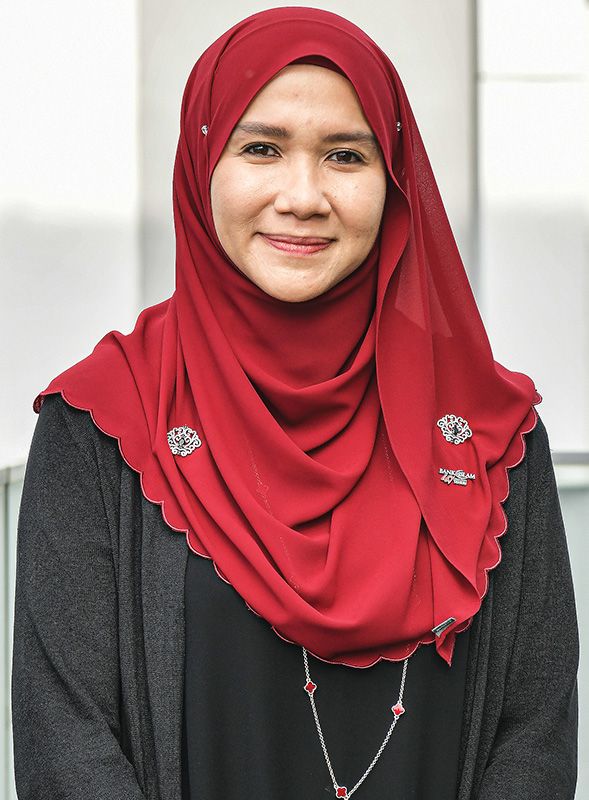
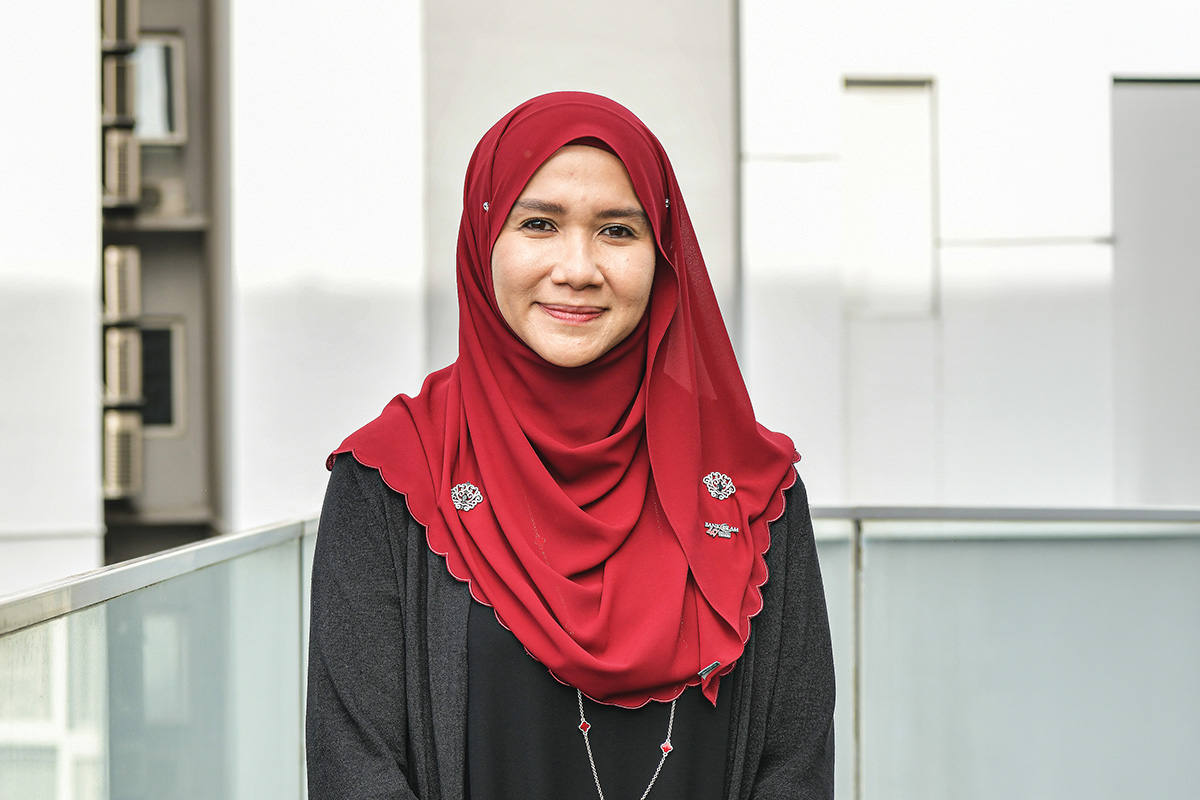
Bank Islam’s Group Chief Business Officer for Corporate and Investment Banking
“At Bank Islam, we believe financial solutions should deliver value that extends beyond returns. Our approach is centred on creating meaningful opportunities for individuals, businesses and communities, while supporting sustainable growth and long-term economic resilience,” says Sharifah Sarah Syed Mohamed Tahir, Bank Islam’s Group Chief Business Officer for Corporate and Investment Banking.
“Through our products, services and strategic initiatives, we aim to generate positive outcomes for our customers and the communities we serve,” Sharifah Sarah adds.
This principle is encapsulated by the Ihsan Sustainability Investment Account (ISIA), which translates values-based investing into practice by connecting investor capital with carefully selected Shariah-compliant financing assets that incorporate social impact contributions, in line with the United Nations’ Sustainable Development Goals. These assets are selected by assessing the strength of each business, the purpose of the financing, associated risks and potential returns, plus contribution to economic activity and wider social or environmental outcomes.
By FY2025, the ISIA series had deployed over RM3.5 billion; a figure that climbed to RM4.1 billion as at June 2026, reflecting rising demand for investments that deliver both financial and social values.
That momentum carries through to Bank Islam’s broader sustainable finance portfolio, which grew from RM31.3 billion in FY2025 to RM33.4 billion as at June 2026 — exceeding its 2026 target of RM30.7 billion by 9%. Spanning social financing, green financing and Sustainability Sukuk, the portfolio allows Bank Islam to support clients as they navigate an evolving sustainability landscape, while strengthening the wider economy’s resilience over time.
Strengthening businesses for sustainable growth
For SMEs, access to capital is only part of the equation. Bank Islam complements financing with efforts to build the financial capabilities businesses need to grow responsibly, including from cash-flow management and financial planning to record-keeping and risk assessment.
Alongside its contract and vendor financing, and transaction banking solutions, Bank Islam launched the Ihsan Financing for Business Resilience, Sustainability and Green Transition (IFiRST) in FY2025. Unveiled at the inaugural Bank Islam Sustainability Conference, the Shariah-compliant solution combines financing, advisory support and knowledge-sharing to help SMEs and mid-tier companies — particularly those in carbon-intensive sectors — manage rising operating costs and transition towards more resilient, lower-carbon business practices.
Bank Islam also works with anchor organisations to widen financing access across their business ecosystems. Through verified contact and vendor information, participating businesses can tap working capital and trade facilities more efficiently. As at June 2026, more than RM700 million in financing had been approved for over 150 vendors under Bank Islam’s Vendor Financing Programme, helping fortify businesses and strengthen the wider supply chain.
Giving underserved communities a hand-up
Beyond established businesses, Bank Islam also supports microentrepreneurs and underserved communities, helping them build financial resilience and achieve sustainable growth.
Through Sadaqa House, its social finance platform, Bank Islam runs the iTEKAD microfinance programme, which combines blended finance with business development support to empower low-income microentrepreneurs, particularly those from underserved and asnaf communities.
By pairing philanthropic funds such as zakat with social impact investments, the programme offers financing, training and mentoring to strengthen participants’ financial literacy, creditworthiness and long-term business sustainability.
Under iTEKAD microfinancing, BangKIT supports aspiring and underserved microentrepreneurs in strengthening their businesses, while the Maju programme helps eligible participants to access further financing to grow and scale. By FY2025, RM53 million had benefited over 1,800 microentrepreneurs, while RM1.36 million supported more than 3,000 students and educational institutions.
The impact shows in how individual businesses are uplifted via the programme. By June 2026, iTEKAD BangKIT beneficiary Setapak Cats House had grown its monthly revenue by 67% to RM20,000, saved RM2,000 a month and secured RM50,000 in additional financing to open a second outlet.
Another beneficiary, Dessert Kita Cafe, grew monthly revenue by 33% to RM40,000, doubled its assets to RM20,000, created six full-time jobs and lifted monthly savings to RM3,000 — with plans to progress to iTEKAD Maju financing.
These outcomes show how targeted financing, paired with capability-building, can help microentrepreneurs move from financial access to lasting resilience.
Across sustainable finance, SME development and social finance, Bank Islam’s goal remains the same: to put capital to work where it creates lasting value. Guided by Maqasid Al-Shariah, Bank Islam is working to ensure growth that is not just sustainable but also inclusive, responsible and beneficial to society and the environment.