

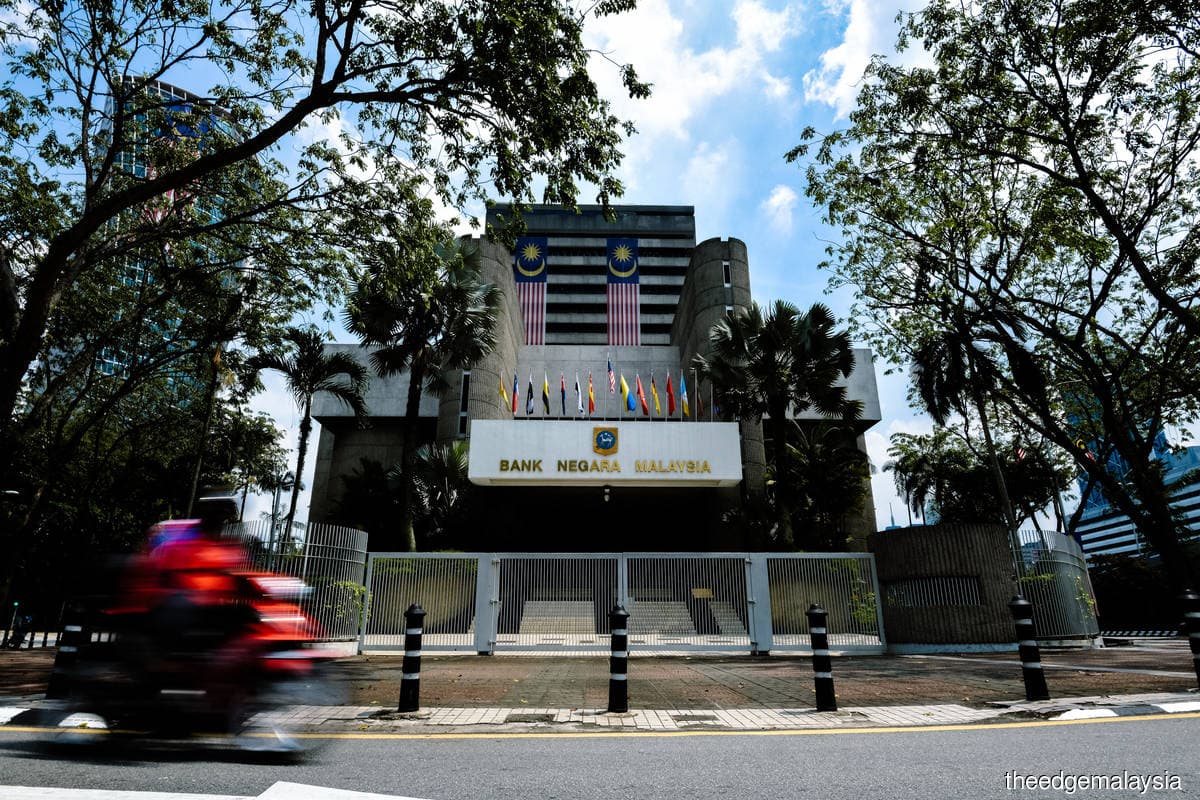
KUALA LUMPUR (Oct 23): Bank Negara Malaysia and Bank of Thailand on Friday joined Singapore’s public-private digital money initiative as policymaker members.
Officially, Bloom — Borderless, Liquid, Open, Online, Multi-currency — will see central banks of the three countries work with the industry to develop common approaches for cross-border use of digital money, according to a statement on the Monetary Authority of Singapore’s (MAS) website.
“To fully harness the benefits of using digital money, collaboration among policymakers and industry participants will be needed to address practical issues around acceptance, settlement and interoperability,” said Leong Sing Chiong, a deputy managing director at MAS.
Bloom brings together policymakers, financial institutions, payment networks and technology providers to coordinate and advance the use of digital money in cross-border financial activity.
Chaired by MAS, the initiative comes as financial institutions and jurisdictions develop different digital money use cases, including for tokenised deposits and regulated stablecoins.
“A future where frictionless cross-border payments can be made using multiple digital monies is now closer to a tangible reality than a far-fetched fantasy,” said Aznan Abdul Aziz, deputy governor of Bank Negara Malaysia (BNM). “BNM looks forward to exploring such a future through the BLOOM initiative with all participating central banks and industry partners.”
Bloom has two dozen industry participants, such as Singapore's biggest bank DBS and its Malaysian counterpart Malayan Banking Bhd (KL:MAYBANK). The World Bank is participating as a multilateral development bank.
Others include international banks JPMorgan and Standard Chartered, as well as firms ranging from cryptocurrency exchange Coinbase to sovereign wealth fund Temasek and payments processors Visa and Stripe.
The participants will focus on three main areas: cross-jurisdictional acceptance and settlement, network interoperability across digital money arrangements, and programmable compliance safeguards such as automated sanctions screening and identity verification.
The initiative also “allows us to carefully explore emerging innovations, while ensuring our oversight remains prudent, proportionate, and responsive to evolving risks”, said Daranee Saeju, a deputy governor at Bank of Thailand.