

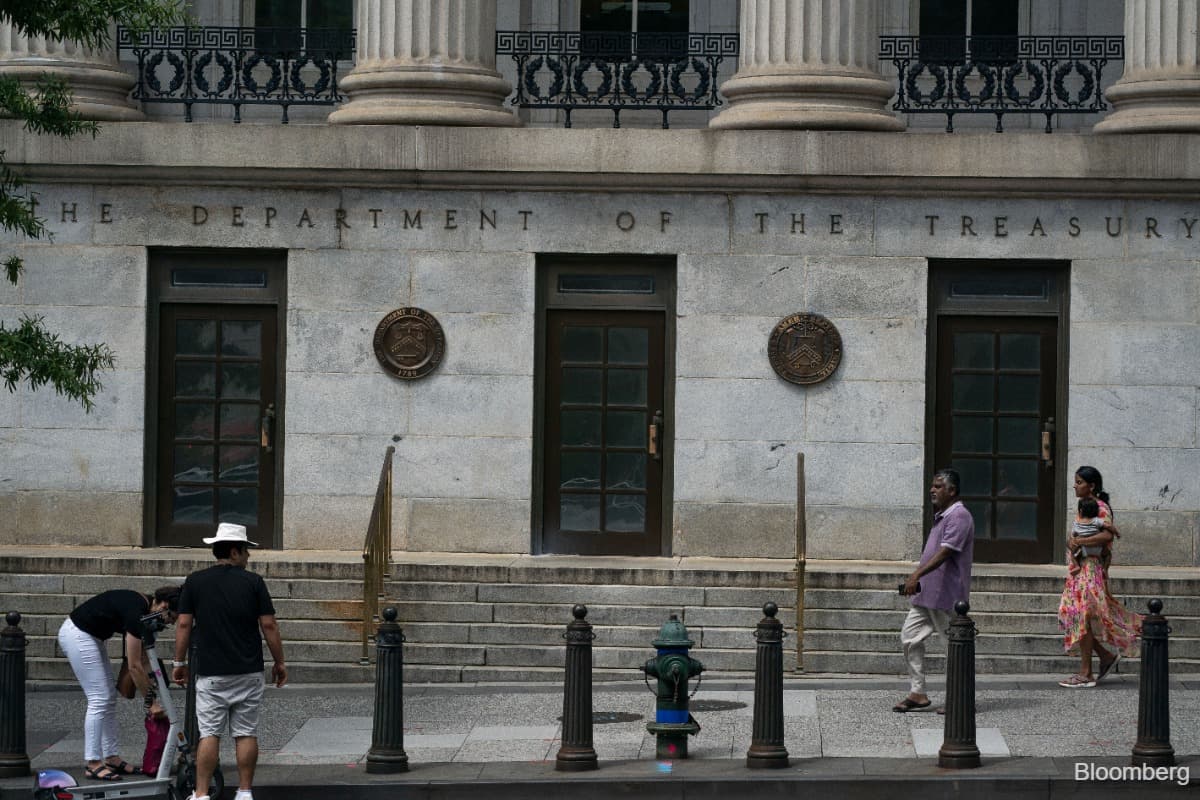
(Oct 22): The US Treasury Department on Thursday proposed new regulations to bar large institutional investors from buying up single-family homes, the latest step in the process to implement the most controversial section of the sweeping bipartisan housing law passed this summer.
Under the law, the ban — which prohibits investors with more than 350 houses from purchasing additional single-family homes — goes into effect on Jan 7, a short runway Treasury acknowledged in the 96-page proposal.
“Given this short implementation period and the need for market participants to make decisions regarding homebuilding, acquisitions, ownership structures, investment arrangements, and compliance systems, Treasury currently intends to take a phased rulemaking approach,” the agency said.
The institutional investor restrictions were part of a populist affordability pitch by President Donald Trump, who declared, “People live in homes, not corporations.”
Critics have argued, though, that the policy could create a chilling effect for builders, and in turn, be a drag on supply.
Market participants were still reviewing the proposal on Thursday morning.
“This is a very complicated provision and a very complicated rule as a result of that,” said David Dworkin, president and chief executive officer of the National Housing Conference. “The bottom line is going to be whether the market continues to build desperately needed rental housing or not. And if we see that builders continue to construct rental housing, regardless of whether it is stacked on top of each other or side by side, I think that Treasury successfully navigated the issue.”
“If on the other hand the market stops investing in rental housing, then what we’ve done is simply exacerbated the affordable housing crisis,” Dworkin added.
The bipartisan housing law aimed to alleviate a supply crunch that has contributed to voters’ frustrations over affordability. In addition to the institutional investor restriction, the law includes new rules making it easier to develop factory-built housing and encouraging localities to remove barriers to construction.
Uploaded by Felyx Teoh