

This article first appeared in The Edge Malaysia Weekly on October 19, 2026 - October 25, 2026
A generation of investors grew up believing that Genting Bhd (KL:GENTING) was a cash-generating machine for which nothing could go wrong even during the worst of times.
It survived economic turmoil and the pandemic, and was favoured by mom-and-pop investors for its regular dividends.
For more than 50 years, the cash generated by Malaysia’s sole casino, located at the peak of Gunung Ulu Kali, was enough to keep shareholders happy while helping fuel the group’s global operations.
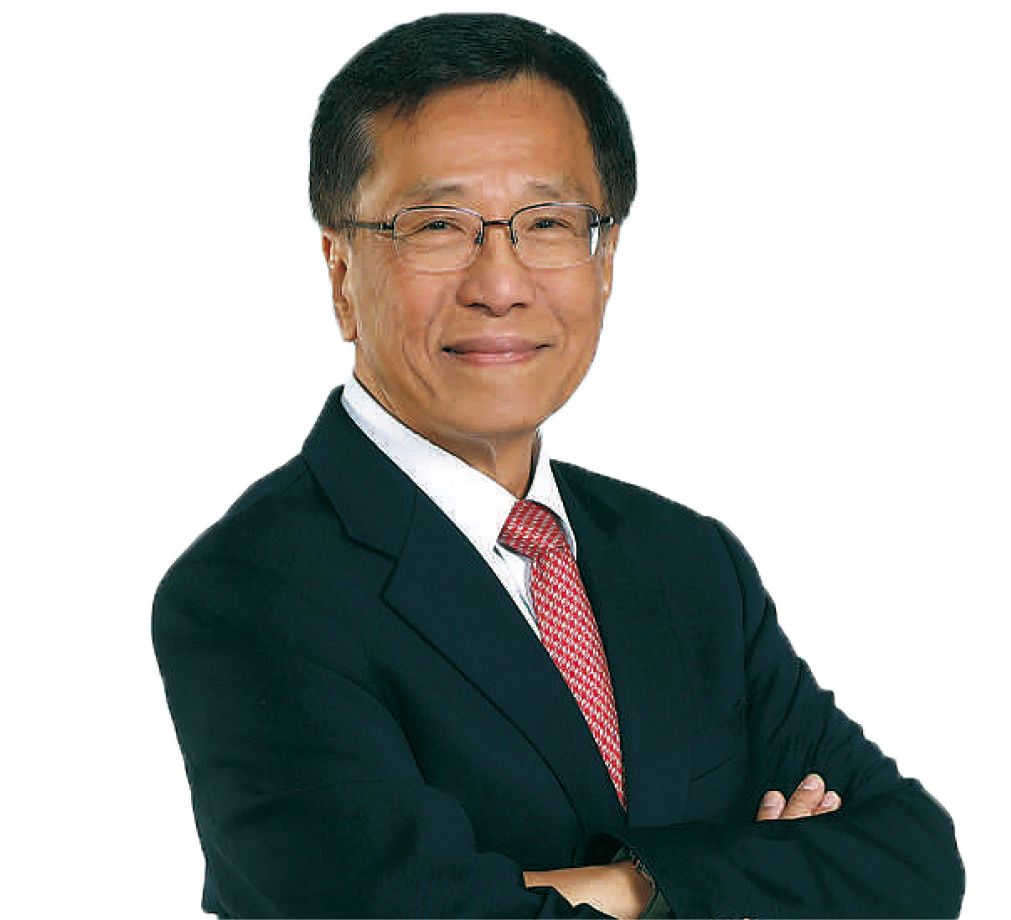
Majority-owned by the Lim family, the casino earned the moniker “one-hill wonder”. From that single casino, the group, headed by executive chairman Tan Sri Lim Kok Thay, expanded to Singapore, the UK, the US and the Bahamas.
The relentless expansion came at a price, however.
The perception that Genting was a cash cow proved to be a fallacy. Dividends started to fall, with only five sen declared for the financial year ended Dec 31, 2025 — a far cry from the 22 sen declared in 2019.
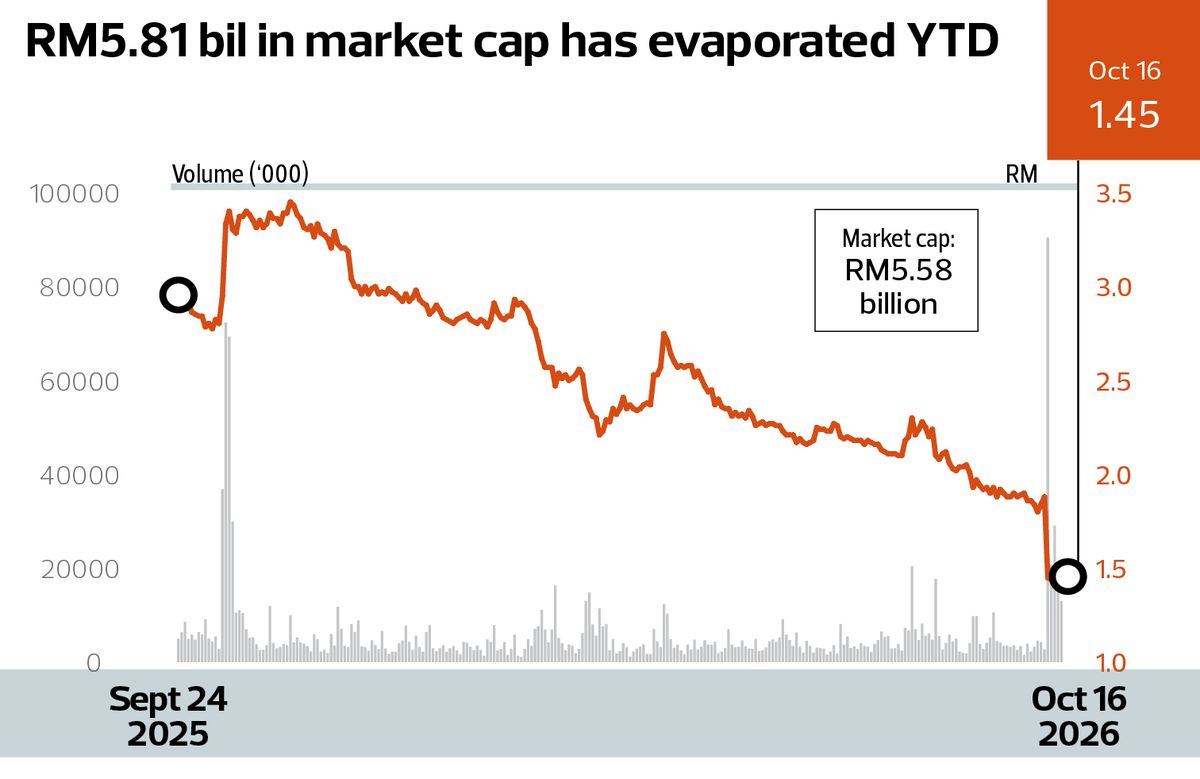
Genting fell to a historic low on Oct 9 when it called for a rights issue to raise RM1.25 billion.
It said a sum of RM800 million had been allocated to repay debts, with the balance for working capital. Of the working capital, RM280 million is for payment of interest and financing costs.
Genting’s rights issue is difficult to fathom, given its cash reserves of more than RM17.6 billion and its business, which draws thousands of tourists and high rollers.
Shareholders did not take it lightly and research analysts called for a “sell” on concerns of more rights issues to pay off its debts. As a result, the company’s share price fell to a low of RM1.38 on the next trading day.
In a reply to questions from The Edge, Genting allayed fears of further cash calls.
“No further equity fundraising is currently planned by the company,” it says.
Try telling that to analysts. CIMB Securities in a research note stated that while a rights issue does not mathematically destroy shareholders’ wealth, investors usually view such exercises negatively, as it replaces cheaper debt with more expensive equity.
“Thus, we expect a negative share price reaction, though the extent of a potential selldown may be somewhat mitigated, given that the rights [issue] is renounceable,” it said in a report.
Maybank, which has generally been positive on Genting, downgraded the stock to a “sell” after the rights issue. It expects the cash call to deliver minimal interest savings and degearing but significantly dilute earnings per share.
“We also cannot rule out more equity fundraising efforts and fewer dividends,” the research house said.
Rating agencies see the rights issue, however, as a welcome shift away from Genting’s traditional heavy reliance on debt funding to reduce and refinance its borrowings.
“It indicates shareholders’ willingness to share the deleveraging burden,” said a note from CreditSights, a research unit under Fitch Solutions.
CreditSights added, however, that Genting needs to do more than implement a rights issue.
“We see the sale of non-core assets as a vital tool to stave off a downgrade, notably the unused parcels of land in Miami.”
The land, which is held by Genting Malaysia Bhd (KL:GENM), is worth about US$1.2 billion (RM4.89 billion). The proceeds from the sale could shave off a sizeable portion of debt at group level.
Debts coming due
On paper, Genting’s cash and debts are huge. The holding company had cash of more than RM17 billion and debts of RM45.3 billion as at end-June 2026.
Genting says, however, that just over 10% of the debts are attributed to the company while the rest are at the subsidiary level. The same is true for the cash, where the amount at the holding company is RM1.3 billion (see “No further fundraising planned for now, says Genting”).
As such, this effectively means that Genting’s debts are below RM5 billion. It is raising the RM1.25 billion to help pare off debts that are coming due next year.
In 2027, Genting has one US dollar paper amounting to US$617.5 million and three ringgit-denominated debt papers totalling some RM2.35 billion coming due.
The US dollar paper amounting to US$617.5 million is due in January. The original sum raised was US$1.5 billion via Genting Overseas Holdings Ltd (GOHL) in 2017. Part of the proceeds went towards building Resorts World Las Vegas (RWLV), a mammoth project that started in 2013 and was completed in 2021.
“GOHL redeemed US$882 million of the bonds in a tender offer in May 2026. It was funded via its concurrent US$1.25 billion debt issuance. This leaves close to US$618 million outstanding,” says Jonathan Tan, an analyst at CreditSights.
Genting has a RM300 million debt due this December. It is part of a RM3 billion medium-term note (MTN) programme to help fund the takeover of GenM late last year.
Its ringgit-denominated debt amounting to RM2.35 billion are due in March, June and December next year: The biggest tranche of RM1.5 billion is due in June while the debt coming due in March and December are RM400 million and RM450 million respectively.
The RM1.5 billion debt was issued in 2012, before the start of the construction of RWLV, and the proceeds were on-lent to the group’s subsidiaries for working capital, development expenditure and other expenses.
The ringgit debt paper of RM400 million due in March was issued in 2022 with a coupon rate of 5.19%.
The RM450 million bond due in December next year is part of a RM3 billion MTN programme that Genting raised to fund the voluntary takeover of GenM last year. Genting increased its stake in GenM to 73.9%, which cost it close to RM2.8 billion.
Analysts are unsure as to which debt issuance Genting will retire with the proceeds of the rights issue.
“We do not foresee Genting or GenM having any problems refinancing its debt papers. Together with the proceeds from the rights issue, Genting has flexibility and many options,” says a fixed income analyst.
CreditSights’ Tan expects the refinancing to come at a higher rate. “Genting’s upcoming ringgit-denominated bonds include RM750 million at Klibor (Kuala Lumpur Interbank Offered Rate) + 1.8%. These were taken earlier mainly to finance its 23% stake acquisition in Genting Malaysia. Given the broader macro uncertainties and Genting’s worsening credit outlook, we would expect refinancing to come in at slightly higher costs [than] Klibor + 1.8%,” he says.
The RM750 million comprises RM300 million due this December and RM450 million due in December next year.
Genting says the majority of its borrowings maturing in 2027 were incurred more than 10 years ago.
“The rights issue forms part of Genting’s proactive capital management strategy to deleverage and strengthen its credit profile. Proceeds from the rights issue, together with internal cash resources, will be used to repay a portion of these borrowings, reducing reliance on debt-funded refinancing,” the company says in its email reply to The Edge.
Achilles heel in Las Vegas
Genting was a net cash company in 2010. At that time, its overseas operations were mainly concentrated in Singapore, with GenM expanding to the UK.
Lim was instrumental in leading Genting to win one of the two casino licences that the Singapore government awarded in December 2006. Resorts World Sentosa (RWS), which opened in 2010, proved to be a profitable diversification and is a key contributor to the group’s earnings until today.
Singapore authorities, however, keep a close watch on RWS and its management.
Although Genting Singapore is cash-rich and has no debt, Genting is unable to tap the cash, other than enjoy the consistent dividends. That is because Genting Singapore is mandated to use the cash for its RWS 2.0 expansion project, which costs about S$6.8 billion (RM19.1 billion), to be expensed until 2030.
While Genting Singapore is profitable and a key contributor to the parent company, the same cannot be said of RWLV.
Genting started its high-profile project in Las Vegas in 2013. By 2019, it was already in a net debt position and, when the RWLV was completed two years later, its gross debts were close to RM40 billion.
RWLV’s numbers remain unattractive, considering Genting’s US$4.5 billion investment in it.
Based on notes in Genting’s annual report, RWLV has been raising debt on its own, reducing its dependency on the parent company. Still, it is not clear whether RWLV will be able to refinance its debts at palatable rates without guarantees from its parent company.
That is why analysts believe that measures taken by Genting — implementing the rights issue, reducing dividend payouts — and its hopes for an improvement in earnings from Singapore and New York may not be enough to turn the red tide.
Read also: Save by subscribing to us for
your print and/or
digital copy. P/S: The Edge is also available on
Apple's App Store and
Android's Google Play.
Cover Story: No further fundraising planned for now, says Genting
Cover Story: As the group expanded, so too did its debt burden